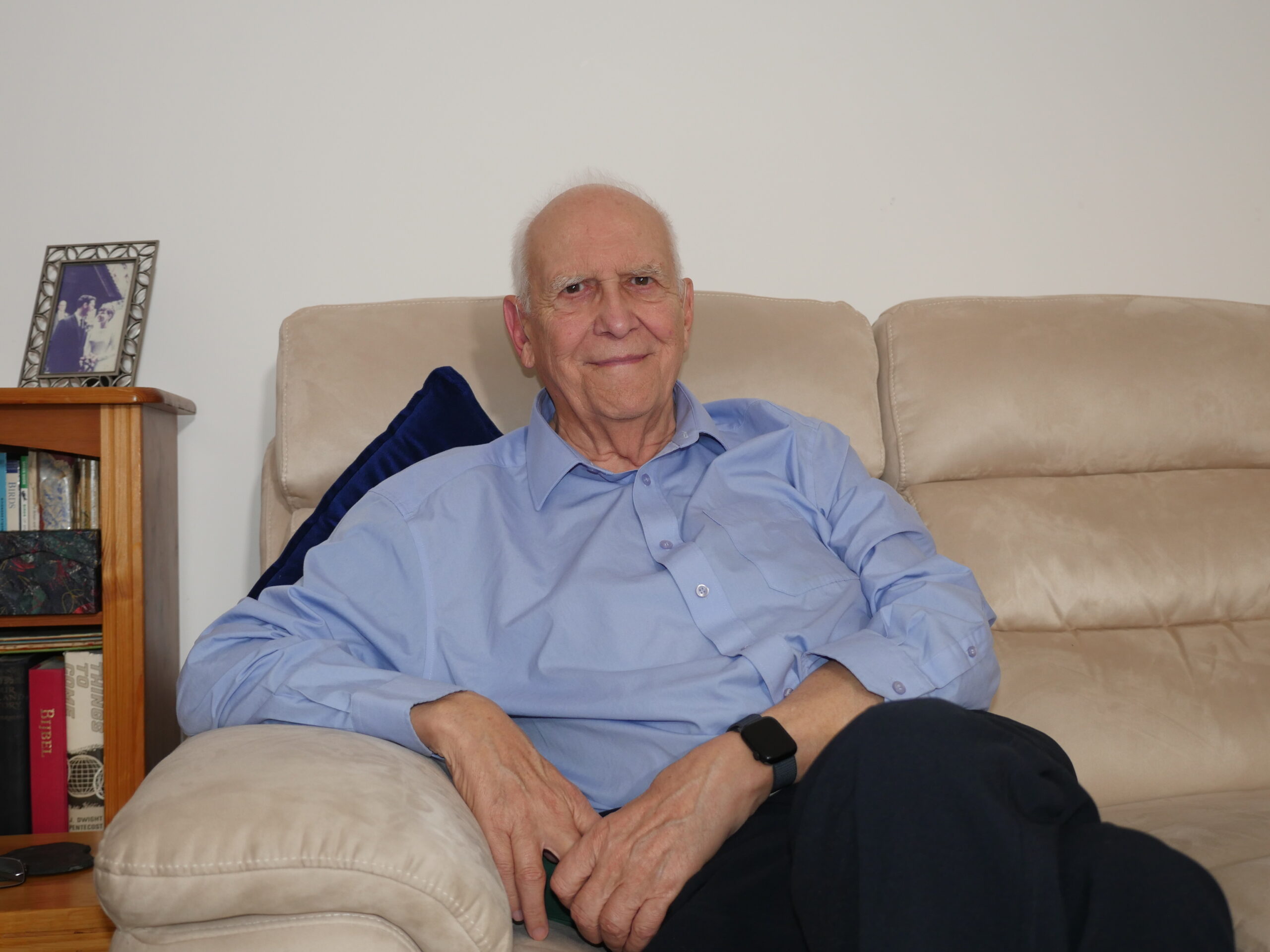
As the debate over assisted suicide intensifies, the poignant story of Philip Bateman, a fervent opponent of the measure, takes center stage. Just days before lawmakers cast their votes in favor of the controversial legislation, Bateman passed away peacefully in the embrace of his family.
Diagnosed with pancreatic cancer in the spring of 2024, Bateman was told he had less than six months to live, making him eligible for assisted suicide under the newly approved bill. Despite this, Bateman, who once served as a pastor, was firmly against the idea.
In an appearance on BBC Breakfast in May, Bateman voiced his strong objections: “It’s not assisted dying, it’s assisted suicide! It means a deliberate wilful act by a person to kill themselves, and so you are assisting someone to kill themselves. Call it by that and see how many MPs vote for it.”
Bateman’s faith informed his perspective on the issue, as he explained to Sky News, “I want to live until God wants me to die. He will sort that out, not me. I have no idea how it’s going to happen, and I don’t want to know.
“This world is temporary, and I have a better one coming. I have pancreatic cancer which not only affects my pancreas, but also my lungs. When we were told I had less than six months to live, my wife Pauline couldn’t stop crying. Sitting in the hospital we sung praises to God. It’s now five months, and I’m grateful for this time.”
Defying medical predictions, Bateman lived over twice the time initially expected. He shared a poignant anecdote with fellow campaigners, recounting, “Thirty-five years ago, one of my neighbours had lymphoma cancer and was given six months to live. He’s now 67 – imagine if he had taken his own life back then,” underscoring the unpredictability of medical prognoses.
Bateman’s opposition extended beyond practical concerns to a deep-seated faith-based stance, viewing assisted suicide as contrary to “God’s plan and purpose”, undeterred by any proposed safeguards.
In the parliamentary session, MPs considered various amendments to the bill. They approved a commitment for the government to review palliative care services, while a proposal to exclude individuals with mental illness from assisted suicide was rejected.
This article was originally written by www.christiantoday.com