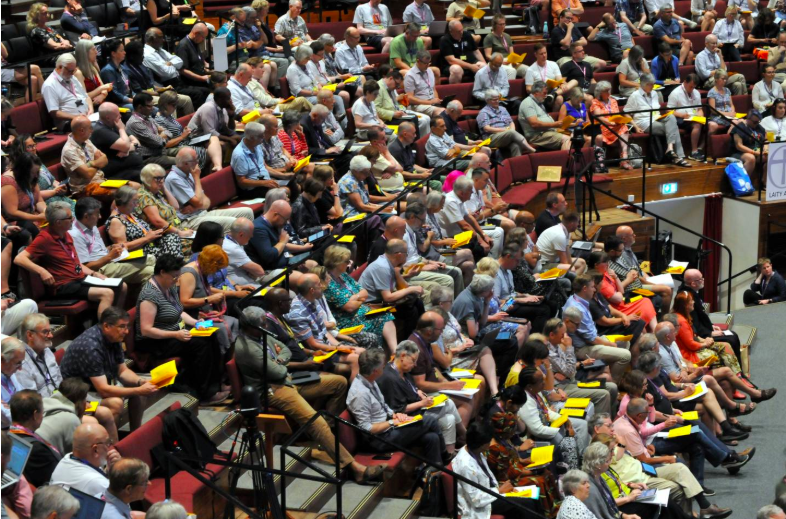
(Photo: Church of England / Sam Atkins)
The Church of England has embarked on a significant financial initiative, approving a £1.6 billion funding package for the upcoming three years. This allocation is poised to address critical areas such as clergy pensions and parish support in economically challenged regions.
This funding, representing a 36% increase from the previous period, will also channel resources towards safeguarding initiatives and other redress schemes. Enhancements in clergy pensions will include potential restitution measures for pensioners and an independent review focused on long-term retirement support for clergy.
These financial strategies are set to be revisited by the General Synod in February 2026 to ensure alignment with the Church’s priorities.
Recognizing the financial strains faced by dioceses, Synod passed a motion emphasizing judicious financial management while advocating for increased stakeholder involvement in shaping the spending plans for 2026–28. The motion also highlighted the importance of clergy wellbeing.
Furthermore, Synod will play a more formal role in determining the national funding framework of the Church, with an extensive debate on fund distribution planned for the next triennium.
In addition to financial resolutions, Synod approved the National Church Governance Measure on Saturday, aimed at streamlining the Church’s national structures to enhance support for local churches.
This governance transformation, described as a “major overhaul,” will see the Archbishops’ Council and Church of England Central Services replaced by a newly established charity, Church of England National Services (CENS).
The reforms are a response to a review calling for increased trust and transparency in Church governance. Bishop Andrew Watson of Guildford, who led the steering group, emphasized the necessity of these changes to “better serve and support our parishes, their churches, schools and communities in our calling to pray and work for the coming of God’s Kingdom.”
“This legislation, and the work that lies behind it, has been over four years in development, with widespread consultation at every stage, and significant improvements to the proposals as a result; and the issues of Governance in the Church have only become more acute during that period,” he stated before the vote.
This article was originally written by www.christiantoday.com