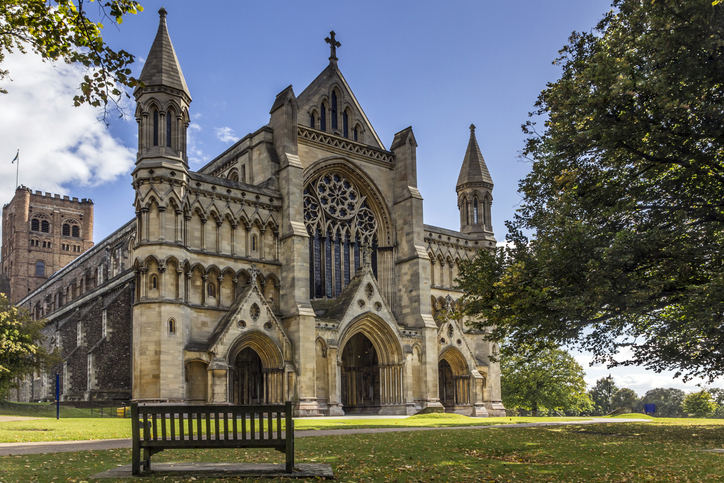
Church of England Cathedrals: Beyond Worship
Cathedrals within the Church of England are recognized not just as places of worship but as central hubs for community engagement, arts, and tourism. However, these historic structures are grappling with significant financial difficulties, prompting them to explore innovative income streams.
The think-tank Theos has released an extensive report titled ‘Living Stones: English Cathedrals as Sacred Spaces in Changing Times.’ The document highlights that over 77% of adults in England have visited a cathedral in the past three years.
The report notes, “Cathedrals reach beyond regular churchgoers. A majority of those with no religious affiliation have visited a cathedral in the last three years, and many enjoy worship, music, prayer or stillness while doing so.”
In terms of economic impact, these cathedrals contribute approximately £235 million to local economies annually, supporting over 6,000 jobs and engaging 13,000 volunteers.
Despite their economic contribution, four out of five cathedrals are facing a “structural deficit,” with no assured national funding for essential operations.
Efforts to attract new visitors have led to criticisms, such as those directed at Canterbury Cathedral for an art installation criticized by JD Vance for its graffiti-style art. Other cathedrals have also faced backlash for unconventional activities like indoor fairground rides or silent discos. At St Albans, a painting of the Last Supper featuring a black Jesus stirred debate.
A study by the Bible Society highlights that cathedrals and churches are among the top locations where non-religious individuals encounter the Bible, underscoring the need for informative displays and materials about the Christian faith.
One of the report’s key insights is the disparity between the public benefits cathedrals offer and the recognition and support they receive. It calls for sustainable investments that reflect cathedrals’ contributions to wellbeing, education, heritage skills, music, and community cohesion.
Support from government entities at both national and local levels, alongside strategic partnerships, is deemed crucial to align with their public impact.
The report urges media and commentators to provide more balanced coverage of cathedral activities, beyond moments of controversy. It also encourages communities to appreciate their cathedrals, with options like joining a ‘friends’ scheme or regular donations.
In St Albans, the cathedral is integral to the city’s identity. It not only serves as a spiritual center but also hosts diverse community events, educational programs for children and adults, and significantly boosts local business revenues from tourism.
The Theos research, in collaboration with the Association of English Cathedrals and supported by the Church Commissioners of the CofE, included data from a YouGov poll of over 1,800 adults in England, a survey of more than 1,300 cathedral visitors, and 150 interviews at six cathedrals: St Albans, Carlisle, Derby, Exeter, Rochester, and York.
Rev Peter Crumpler is a Church of England minister in St Albans, Herts, UK, and a former communications director with the CofE.
This article was originally written by www.christiantoday.com