Ebola Outbreak in DRC Sparks International Concern and Call for Coordinated Response
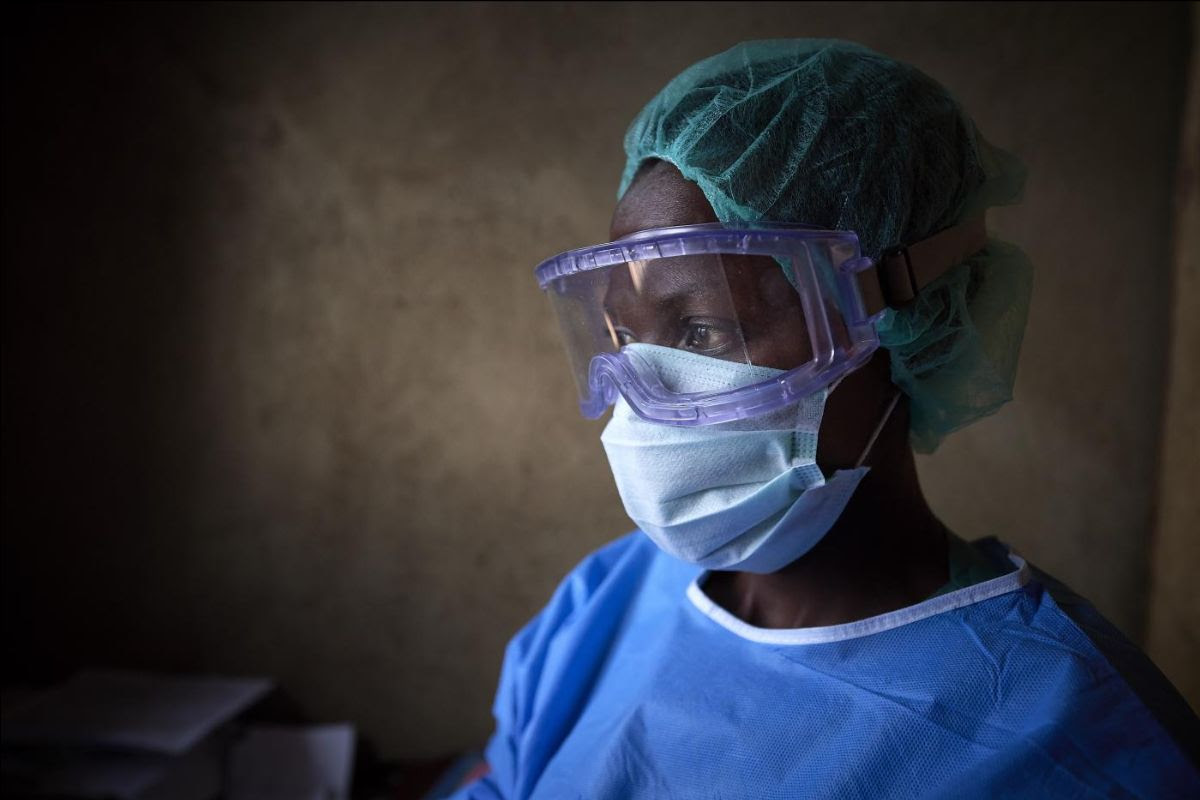
(Photo: Paul Jeffrey/Life on Earth)
The Democratic Republic of the Congo (DRC) is currently facing a critical health challenge as an Ebola outbreak has claimed 131 lives. This alarming situation has prompted the World Health Organization to declare it a public health emergency of international concern.
The outbreak, which began in the province of Ituri, has seen over 500 suspected cases emerge. The situation has also expanded beyond the DRC, with one reported death in Uganda. This development adds further strain to a nation already battling conflicts among government forces, the M23 rebel group, and Islamist militants.
Rev Jerry Pillay, the World Council of Churches’ general secretary, expressed his deep concern, emphasizing the dire context of the outbreak. “This outbreak is unfolding in contexts already burdened by poverty, fragile health systems, food insecurity, displacement, and the long-term impacts of conflict,” Pillay stated. These conditions exacerbate the population’s vulnerability, limiting access to timely healthcare and preventive measures.
Pillay called upon churches to actively contribute to alleviating the suffering of the local population. Beyond material aid, he emphasized the importance of disseminating accurate medical information and combating misinformation. “We call on governments, international agencies, churches, and civil society to cooperate across borders, to share treatments, technologies, and financial resources so that the most affected communities are not left behind, and to ensure safe and unhindered access for health workers and humanitarian actors,” he urged.
Of particular concern is the absence of approved vaccines or therapeutics for the Bundibugyo strain of Ebola driving this outbreak, as highlighted by the WHO. Pillay also made an appeal for the cessation of military activities in the ongoing conflict to facilitate medical aid and support delivery.
The World Council of Churches has called for global solidarity in supporting vulnerable groups such as the sick, healthcare workers, and communities already affected by violence and poverty. “In this shared global responsibility, we reaffirm that solidarity must extend beyond emergency response to addressing the root causes of vulnerability, including inequality, marginalization, and lack of access to essential services, so that communities are better protected against future health crises,” Pillay concluded.
This article was originally written by www.christiantoday.com