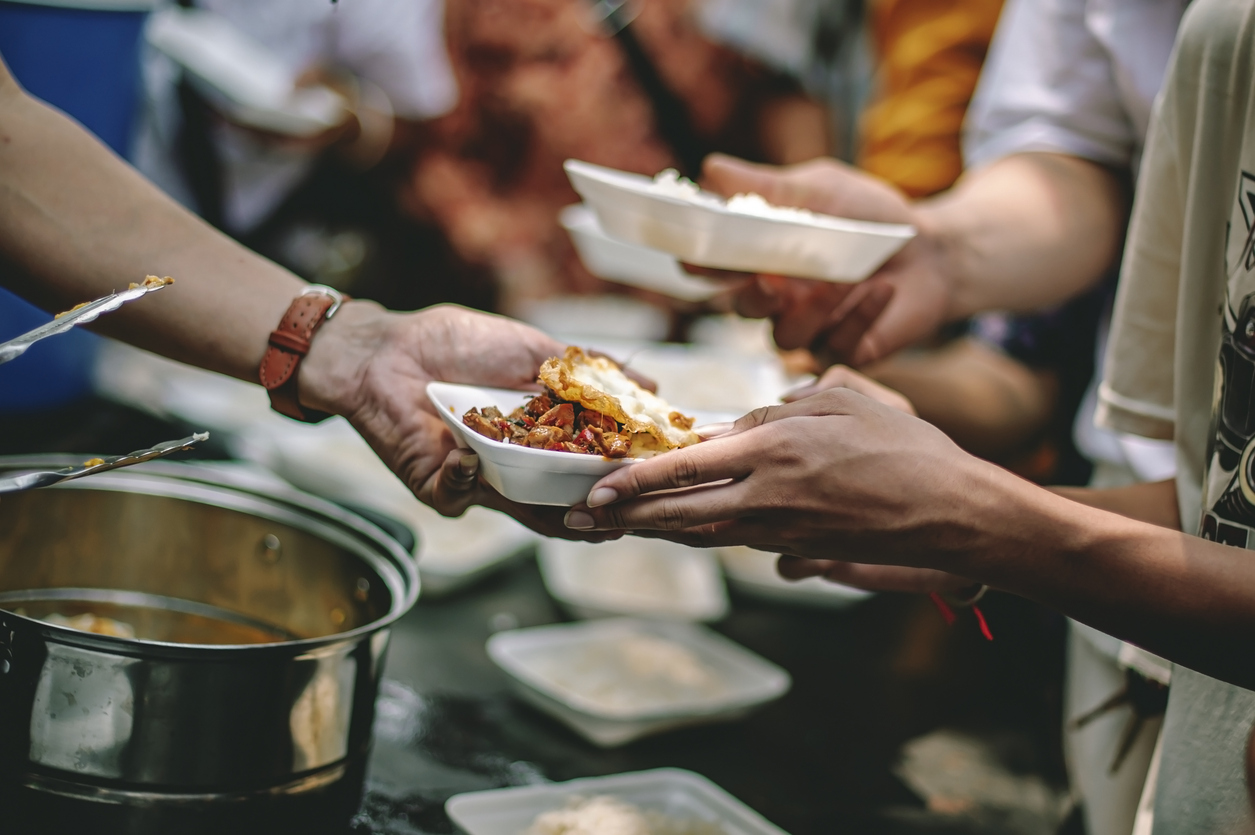

Amid ongoing debates over immigration policies in the UK, churches are emerging as pivotal yet often underappreciated players in the integration of refugees and asylum seekers, according to a recent report by Theos. The report emphasizes the essential role that these religious institutions play, not only through basic services like food banks and English classes but also by providing emotional support and a sense of belonging.
Theos is calling for a comprehensive national integration strategy that incorporates churches in decision-making processes alongside policymakers and charities. The report notes that discussions about immigration frequently focus on limiting numbers, often overlooking the necessity for effective integration strategies for those already residing in the country.
In addressing the prevalent “misconceptions” about church activities, the report challenges claims of proselytism and alleged “fake conversions” used to gain asylum. It asserts that religious communities excel in integration through their rooted values and relationships, which extend beyond mere transactional services.
The report states, “Churches offer unique strengths in integration efforts precisely because they are communities rooted in shared values and relationships rather than transactional service provision alone.” Despite this, the role of Christianity in integration is frequently met with skepticism.
Debunking myths around religious conversion, the report reveals “no evidence of an industrialised ‘conveyor belt’ approach to baptism, nor that conversions are ‘bogus’ or insincere.” It further mentions that religious conversion is a rare factor in asylum cases; in 2023, only seven asylum seekers were granted leave to remain on these grounds.
“Moreover, the Upper Tribunal does not recognise clergy testimony as expert evidence, nor does it treat religious conversion as a determinative ground for asylum,” the report clarifies.
The report highlights that churches often operate as a vital safety net for asylum seekers and refugees but face challenges due to limited resources and increasing demands. “Church leaders described being overwhelmed by emotional and practical burdens, exacerbated by the traumatic experiences of those they support,” it states. Issues like burnout and isolation are common among church workers.
Some church members expressed frustration over “negative perceptions” from statutory bodies and businesses, which they believe hinder their effectiveness in social work. Simultaneously, some churches worry about deterring non-Christian refugees by visibly displaying Christian symbols.
Nonetheless, interviews with both church leaders and Muslim refugees indicate that non-Christian refugees generally appreciate church-based support, irrespective of religious context. The report notes that fears of proselytism may reflect broader societal discomfort with openly expressed Christianity rather than genuine concerns from refugees.
Theos advocates for churches to have “a seat at the table” in strategic discussions at various levels, given their significant contributions to community welfare. “Despite providing key frontline services and serving as an essential safety net, churches often remain isolated from strategic partnerships,” the report says.
Additionally, it urges for refugees and asylum seekers to be granted the right to volunteer. The report asserts, “While charities up and down the country do much for asylum seekers and refugees, only initiatives enabling them to give back and have a stake in the wellbeing of their host communities can foster their dignity and sense of purpose.”
This article was originally written by www.christiantoday.com