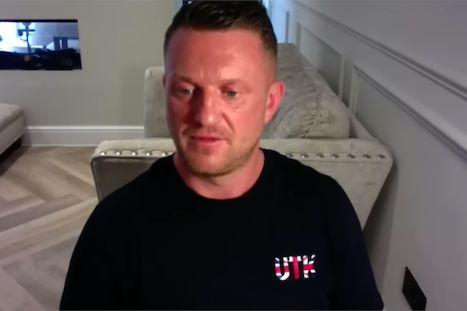
The debate at the University of Oxford has stirred significant controversy, primarily due to the presence of a contentious figure, Tommy Robinson, as one of the speakers. The Bishop of Oxford, alongside Imam Monawar Hussain, has publicly expressed disapproval of Robinson’s participation in the debate, arguing that his presence contradicts the values of inclusivity and hospitality that the city of Oxford embodies.
In their joint statement, they linked Robinson’s invitation to recent events, such as the ‘Unite the Kingdom’ rally and the San Diego Mosque shootings. They emphasized the responsibility of the University’s debating society and its leaders to foster an environment of unity and care, especially considering Oxford’s diverse religious and cultural community. “This is a city in which there is no room for hatred,” they stated, urging the withdrawal of Robinson’s invitation.
The Church of Scotland’s General Assembly also voiced concerns about the rally, highlighting potential associations with far-right and anti-Muslim sentiments. This situation recalls past controversies surrounding Robinson’s involvement in public discourse and his polarizing impact.
Robinson, often criticized for his far-right views, has been both condemned and supported in various circles. Some, like the article’s author, advocate for listening to opposing perspectives and note the multifaceted nature of Robinson’s arguments, despite disagreeing with many of his positions. His previous speech at the Oxford Union, viewed over 5 million times, remains a point of reference for those curious about his viewpoints.
The debate raises broader questions about free speech and the role of religion in politics. While some religious leaders warn against aligning Christianity with political movements, others argue that the Church has historically engaged in political activism, citing figures like William Wilberforce. The tension between maintaining religious values and engaging with contemporary political issues remains a complex challenge.
Ultimately, the controversy at Oxford reflects deeper societal debates about inclusion, free speech, and the boundaries of acceptable discourse. As religious and civic leaders grapple with these issues, the question of who gets to participate in public debates remains contentious. The discussion around Robinson’s participation is emblematic of the broader struggle to balance freedom of expression with community harmony and respect.
David Robertson writes on https://substack.com/@theweeflea
This article was originally written by www.christiantoday.com