Pentecost, a significant day in the Christian liturgical calendar, often goes unrecognized despite its profound implications for the faith. This day marks the arrival of the Holy Spirit and the establishment of the church, offering a pivotal moment in Christian history.
But what occurred on this momentous day, and why is Pentecost still relevant to Christians today?
Understanding Pentecost
The term Pentecost comes from the Greek word for “fiftieth,” marking fifty days post-Passover. It ties back to the Old Testament’s Feast of Weeks or Feast of Harvest (Leviticus 23:15-16; Acts 2:1; Exodus 23:16; Deuteronomy 16:9-10), one of three major Jewish feasts alongside Passover and the Feast of Tabernacles (Deuteronomy 16:16; Exodus 23:14-17).
This feast was traditionally a time of thanksgiving, where Israelites offered the first fruits of their harvest to God (Leviticus 23:17-20; Deuteronomy 26:1-3). In the New Testament, the meaning of Pentecost evolves. Apostle Paul refers to Jesus Christ as the “first fruits” of new life, having risen from the dead (1 Corinthians 15:20). On Pentecost, the initial community of believers is seen as the first spiritual harvest presented to God (Acts 2:41-47; James 1:18).
The Day of Pentecost: What Transpired?
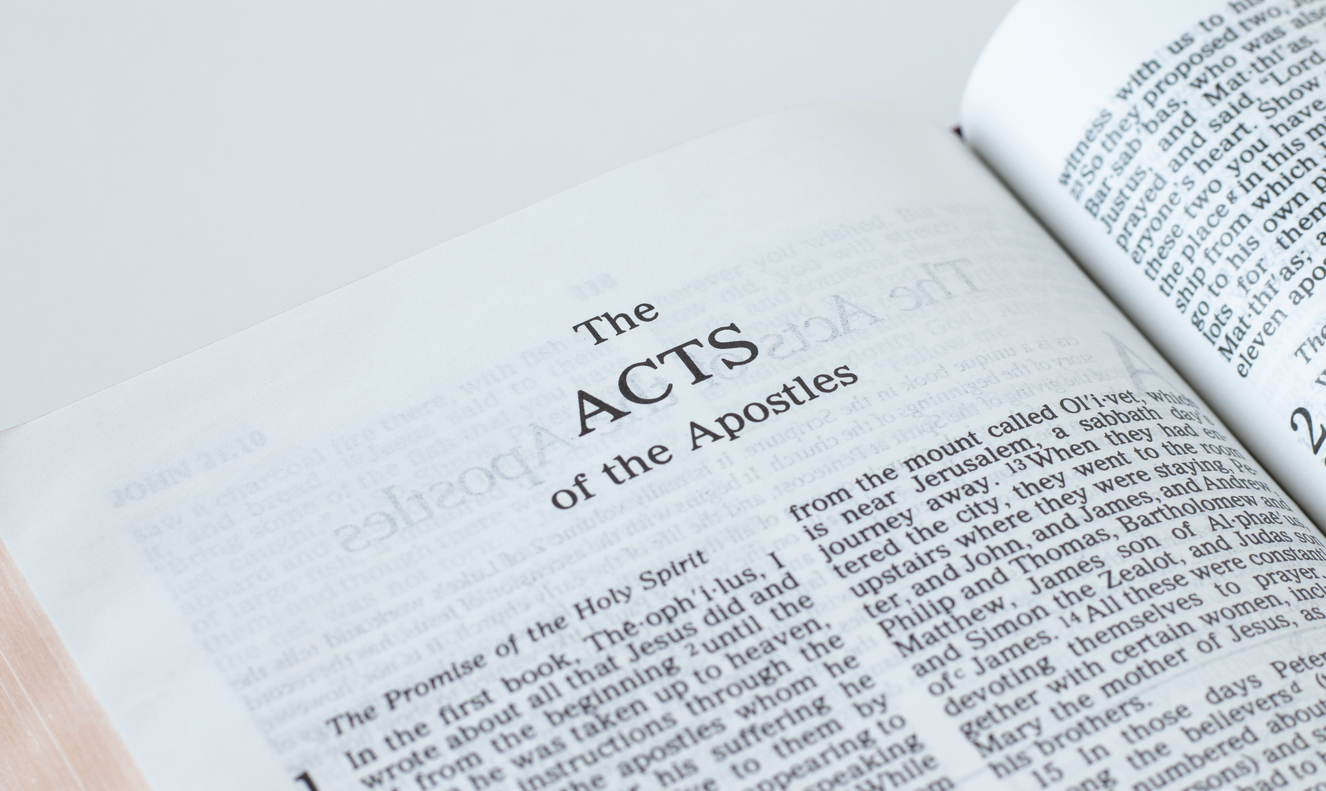
Acts 2 details the events of Pentecost. Believers had gathered in one location as Jesus instructed (Acts 2:1). Before His ascension, Jesus advised His disciples to remain in Jerusalem for the promised gift from the Father, the baptism of the Holy Spirit (Acts 1:4-5; Luke 24:49).
Jerusalem was teeming with people from diverse nations due to the Pentecost celebration, drawing Jews and God-fearing individuals from afar to give thanks for the harvest (Acts 2:5). Among these were people from Parthia, Media, Egypt, Rome, and Arabia (Acts 2:9-11).
Suddenly, there was a dramatic occurrence: a sound like a powerful wind filled the house, and “tongues of fire” appeared and settled on them (Acts 2:2-3). The Holy Spirit filled them, enabling them to speak in different languages (Acts 2:4).
This was no private event; it caught the attention of others. Each person heard the disciples speak of God’s wonders in their native tongue, leaving many amazed (Acts 2:6-8; Acts 2:11). While some were perplexed, others mocked them, accusing them of drunkenness (Acts 2:13). However, Apostle Peter boldly addressed the crowd, declaring Jesus as Lord and Messiah (Acts 2:22-24; Acts 2:36), leading 3,000 to believe and be baptized that day (Acts 2:41).
Pentecost as Fulfillment of God’s Promise
The occurrence of Pentecost was prophesied and fulfilled Jesus’ promise (Luke 24:49; Acts 1:4). The prophet Joel foretold the outpouring of God’s Spirit on all people, transcending age, gender, and social class (Joel 2:28-32; Acts 2:16-21).
In the Old Testament, the Holy Spirit was selectively bestowed for specific purposes (Judges 6:34; 1 Samuel 16:13; Isaiah 61:1). Pentecost marked a new era where the Holy Spirit became accessible to all believers (Acts 2:17-18; Acts 2:38-39), making it a universal gift for those who believe in Jesus Christ (John 7:37-39; Ephesians 1:13-14).
The Unifying Power of the Holy Spirit
Pentecost also highlights the Holy Spirit’s role in uniting people. The Tower of Babel story in Genesis 11 illustrates human pride leading to division through language confusion (Genesis 11:4-9). Conversely, Acts 2 shows different nations understanding God’s message in their languages (Acts 2:6-11), uniting them as one community (Ephesians 2:14-16; Galatians 3:28).
Remarkably, God chose to work through ordinary Galileans, not the influential or educated (Acts 2:7; 1 Corinthians 1:27-28), showcasing His power through their proclamation of His message to all (1 Corinthians 1:27-29; Acts 4:13).
The Transformative Influence of the Holy Spirit
The Holy Spirit is a divine gift, similar to salvation, and given by grace (Ephesians 2:8-9; Acts 2:38). Jesus stated that the Father gives the Holy Spirit to those who ask (Luke 11:13), and Peter affirmed this promise (Acts 2:38).
Unlike water, which cleans the outside, the Holy Spirit purifies the heart, addressing the root of sin (Ezekiel 36:25-26; Psalm 51:10). The Spirit opens our hearts to God’s love (Acts 16:14; Romans 5:5), making us spiritually alive and transforming us into new creations (Titus 3:5-6; 2 Corinthians 5:17). We are reborn, dying to sin and beginning anew in Christ (Romans 6:4-6; John 3:5-6).
The Holy Spirit teaches God’s love amidst a broken world (John 16:13; 1 Corinthians 2:10-12), convicts of sin, comforts, strengthens faith, and guides us like a caring teacher (John 14:16-17; Romans 8:26; Galatians 5:18; Isaiah 63:14).
Through faith, we become God’s children, confirmed by the Holy Spirit (John 1:12; Romans 8:15-16). As His children, we receive nurturing, correction, protection, and preparation for heaven (Hebrews 12:6-7; Romans 8:14; Philippians 1:6).
The Spirit sanctifies us, refining us to reflect Christ’s image (1 Thessalonians 5:23; 1 Peter 1:6-7; 2 Corinthians 3:18).
Pentecost: The Church’s Birth and Mission’s Start
Pentecost marks the church’s inception. After Peter’s sermon, thousands embraced faith (Acts 2:41). Acts 2 reveals believers’ commitment to teaching, fellowship, and prayer (Acts 2:42). They shared generously, worshipped together, and the church grew daily (Acts 2:44-47).
The church is a Spirit-filled community centered on Christ, fostering worship, generosity, and mission (Ephesians 2:22; Colossians 3:16; Acts 2:42-47).
Pentecost relates to harvest. Jesus is the first fruit, and believers become fruitful witnesses (1 Corinthians 15:20; John 15:16). The 120 believers transformed by the Spirit, leading to 3,000 more conversions through Peter’s message (Acts 1:15; Acts 2:4; Acts 2:41).
Pentecost signifies not just receiving the Spirit but being sent out. The Holy Spirit empowers us for witness, evangelism, and the Great Commission (Acts 1:8; Matthew 28:19-20).
The gospel expanded beyond one room, city, and people. Through the Holy Spirit, the church’s mission spread globally (Acts 1:8; Acts 8:4; Romans 10:18).
This article was originally written by www.christiantoday.com