A Journey from Silence to Leadership: Dullari’s Story of Empowerment
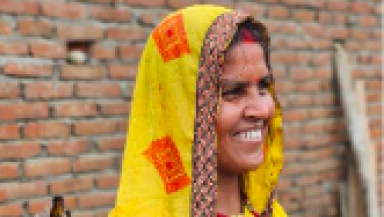
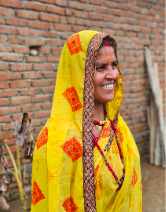
(Photo: The Leprosy Mission)
In a world striving for gender equality, the change often begins with a single voice. For Dullari, a woman from rural Nepal, this voice was her own, and it has become a powerful instrument of transformation in her community.
International efforts towards gender equity, as outlined in the United Nations’ fifth Sustainable Development Goal, aim to create a more equal society by 2030. However, this endeavor requires moving beyond theoretical policies to real-world change, exemplified by Dullari’s inspiring journey from silence to leadership.
The principle that no one should be defined by their gender is widely accepted, yet millions of women and girls remain deprived of opportunities available to men. Cultural biases and historical inequalities persist, underscoring the importance of sustained efforts toward gender equality.
While discussions in places like the UK may focus on issues like pay gaps and leadership representation, in other parts of the world, the challenges are more fundamental. Education for girls, autonomy in healthcare decisions, and safety in one’s own home are still significant hurdles in many regions where The Leprosy Mission operates.
For women diagnosed with leprosy, like Dullari, these challenges are further compounded by stigma and isolation. Dullari’s initial experience with leprosy was marked by fear and secrecy, exacerbated by societal biases and family dynamics.
The Dignity First project in Nepal, led by The Leprosy Mission, aimed to address these issues by improving the health and dignity of people affected by leprosy and poverty. Central to this initiative was the empowerment of women, with 635 Female Community Health Volunteers trained to detect leprosy early and facilitate treatment.
Self-Help Groups played a crucial role in this transformation, offering women diagnosed with leprosy a platform to learn skills in self-care, advocacy, and leadership. These groups allowed women to step into leadership roles and find their voices.
Dullari’s journey of empowerment began with her participation in such a group. Initially reticent and isolated, she learned to recognize and reject violence at home as she gained confidence and economic independence through sustainable farming.
Her newfound strength transformed her personal life, leading to a more supportive relationship with her husband and a home free from the shadows of violence. Dullari’s influence now extends beyond her household, as she educates her sons to respect and value women.
As Vice-President of her Self-Help Group, Dullari is now a community leader. Her story serves as a beacon for other women, encouraging them to pursue education and leadership. This ripple effect of empowerment fosters a legacy of gender equity and hope for future generations.
The impact of empowering women like Dullari is profound. It not only transforms individual lives but also strengthens families and communities, challenging entrenched cycles of poverty and violence. Through such efforts, the vision of true gender equality becomes increasingly attainable.
Peter Waddup is Chief Executive of The Leprosy Mission.
This article was originally written by www.christiantoday.com