As Syria’s Christian communities continue to face persecution, European leaders find themselves under mounting pressure to shift from rhetoric to action. Despite repeated declarations of concern, campaigners argue that tangible measures to protect these minorities remain elusive.
Advocacy groups stress that while political resolutions and statements have been plentiful, they have not effectively altered the grim realities for Christians in Syria. Displacement, threats, and attacks on their communities persist, raising questions about the European Union’s willingness to employ its diplomatic and economic influence effectively.
A Demand for Action, a Syrian advocacy organization, has been vocal in highlighting what it sees as a disconnect between Europe’s strong verbal commitments and its actual responses. The group criticizes the lack of “concrete measures” following the European Parliament’s repeated condemnations of violence against religious minorities.
Notably, a July 2025 resolution denouncing attacks on Christians and other minorities received widespread support, yet conditions continue to worsen, according to the advocacy group. “The obstacle is not capacity, but political will,” the organization stated, indicating that opportunities for sanctions and diplomatic pressure remain untapped by European leaders.
Attention to this issue has been renewed by a motion for a resolution introduced in March by Greek MEP Nikolaos Anadiotis from the Niki party. The proposal highlights the critical situation of the Greek Orthodox (Rum) Christian community in Syria, described as “one of the oldest and most historic Christian presences in the Middle East.”
Anadiotis’s motion reports forced displacement, violent attacks, and unlawful property seizures targeting these communities, attributing these incidents to radical Islamist groups exploiting Syria’s unstable security environment. It also warns of kidnappings, the destruction of religious sites, and the potential eradication of the community.
The motion urges immediate diplomatic intervention by the European External Action Service (EEAS), calls for humanitarian aid for displaced Christians, and recommends an independent international investigation into crimes against religious minorities. To proceed to a plenary vote, the motion requires support from at least 36 MEPs.
A Demand for Action emphasized that this motion represents more than just another document. “It is a test. Not of awareness, but of resolve. Without action, it risks becoming one more statement in a long line of declarations that have failed to alter reality. And for Syria’s Christians, time is no longer an abstract concern,” the group stated.
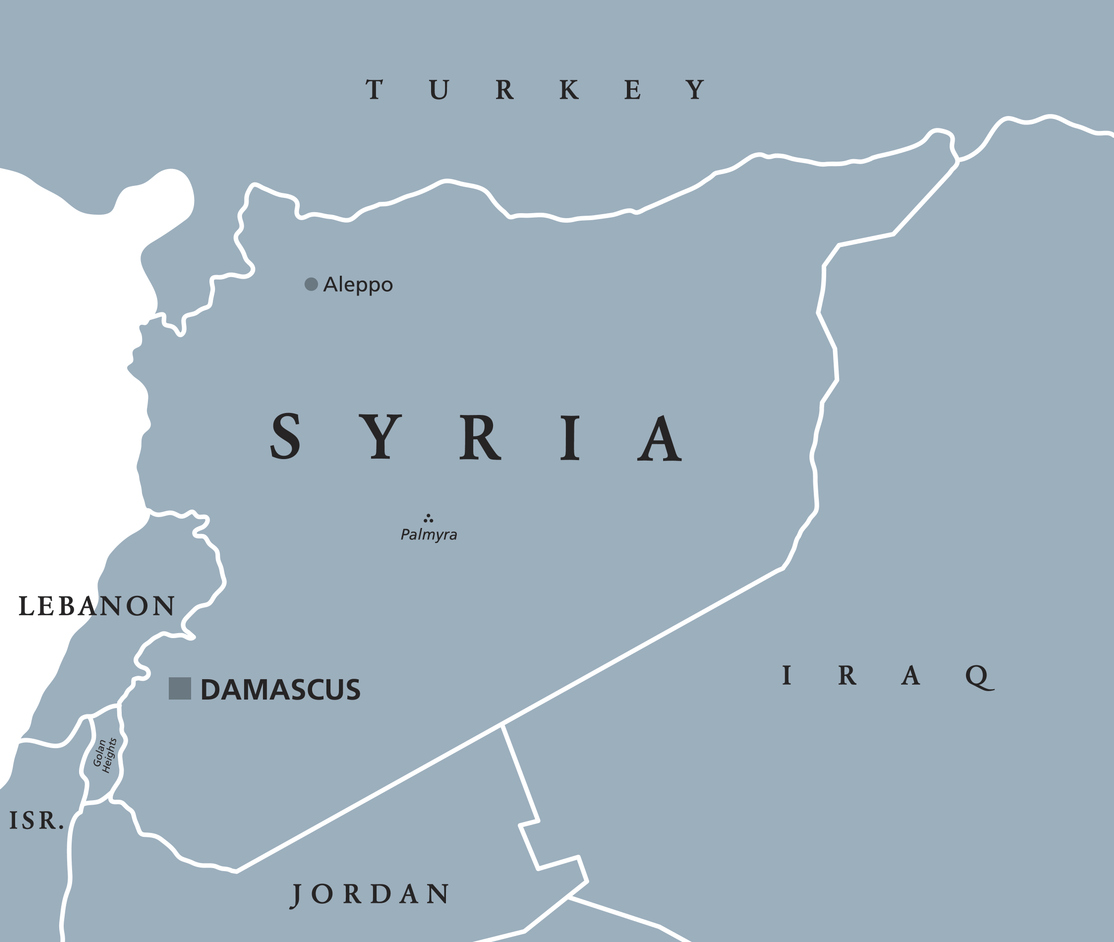
Syria has seen a resurgence of violence against Christians in recent weeks. In the town of Al-Suqaylabiyah in Hama province, predominantly inhabited by Christians, churches had to cancel Easter celebrations due to sectarian unrest.
Reportedly, the violence was triggered when two Muslim men were accused of harassing Christian women. In retaliation, they returned with armed men, attacking homes, shops, vehicles, and vandalizing a local shrine to Mary. While Syrian security forces later intervened, reports suggest some members were involved in the unrest.
In response, Catholic, Greek Orthodox, and Syriac Orthodox churches suspended planned Easter events, while Christian advocacy groups and religious leaders called for national unity and stronger measures against sectarianism and lawlessness.
Despite the fall of Bashar al-Assad in 2024 and promises by Syria’s new authorities to protect religious minorities, the continued presence of armed factions and weak state control cast doubt on their ability to ensure security. Incidents like the February killing of Christian teacher Iman Jarrous in Homs and last year’s suicide bombing at Mar Elyas Greek Orthodox Church, which claimed over 20 lives, underscore the ongoing threats facing Syria’s Christians.
This article was originally written by www.christiantoday.com