Following the release of disturbing footage depicting the arrest of an 18-year-old student, Henry Novak, unsettling parallels have been drawn with the infamous George Floyd incident in the United States. Both cases highlight significant criticism aimed at police conduct and have sparked widespread discussion regarding racial bias and systemic issues within law enforcement.
The video reveals Henry Novak’s arrest by British police, wherein he repeatedly stated he had been stabbed and struggled to breathe. Despite his desperate pleas, officers appeared dismissive, with one stating, “I don’t think you have mate,” while another insisted on checking. Novak, bleeding and handcuffed, was read his rights and ultimately succumbed to his injuries. The incident has been described as “astonishing” and pivotal for the decade.
The Family’s Response
Henry’s family has been vocal, expressing deep grief and placing the blame squarely on the killer, Digwa. They implored the public to avoid politicizing the tragedy or blaming the Sikh community, while simultaneously calling for governmental action against knife crime.
The Role of the Police
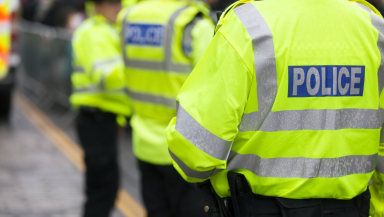
There is growing concern that police forces are heavily influenced by Diversity, Equality, and Inclusion (DEI) ideologies, leading to a perceived two-tier system of policing. Critics suggest that anti-racism policies may contribute to biased treatment, as highlighted by the National Police Chiefs Council’s stance: “Our commitment to racial equity means producing equality of policing outcomes for people from different ethnic groups… It does not mean treating everyone ‘the same’ or being ‘colour blind’.”
Political Reactions
Politicians from various spectrums have been accused of hypocrisy in their responses to this tragedy compared to the George Floyd case. Notably, Ed Davey and Keir Starmer have urged against politicizing Novak’s death, despite previously leveraging Floyd’s death to highlight systemic racism. Meanwhile, some right-wing politicians face criticism for inconsistencies in their stance on politicizing such tragedies.
Media and Public Perception
The media’s portrayal of the Southampton protests versus the Black Lives Matter demonstrations has been scrutinized for inconsistencies. The BBC, for instance, was compelled to apologize to Nigel Farage for misquoting his remarks, illustrating a potential bias in reporting.
Institutional and Community Responses
The University of Southampton, after George Floyd’s killing, initiated scholarships exclusively for black students, yet has taken limited action following Novak’s death, raising questions of equitable treatment. The Sikh community has condemned the murder as “horrific and senseless,” and many have decried the unfair attribution of blame to the broader community.
Religious and Ethical Perspectives
Church leaders have called for peace and prayer in response to Novak’s death, in contrast to the more activist stance following Floyd’s death. This difference in reaction has sparked further debate about societal and institutional biases.
The incident involving Henry Novak serves as a stark reminder of ongoing discussions about racial equity, policing practices, and media representation, challenging society to confront these complex issues with a commitment to justice and equality.
David Robertson writes on https://substack.com/@theweeflea
More by David Robertson
What should Christians make of Tommy Robinson?
Amid calls to ‘make Britain Christian again’, here are some questions for the Church
The problem with Labour’s Islamophobia definition
This article was originally written by www.christiantoday.com