(Photo: Getty/iStock)
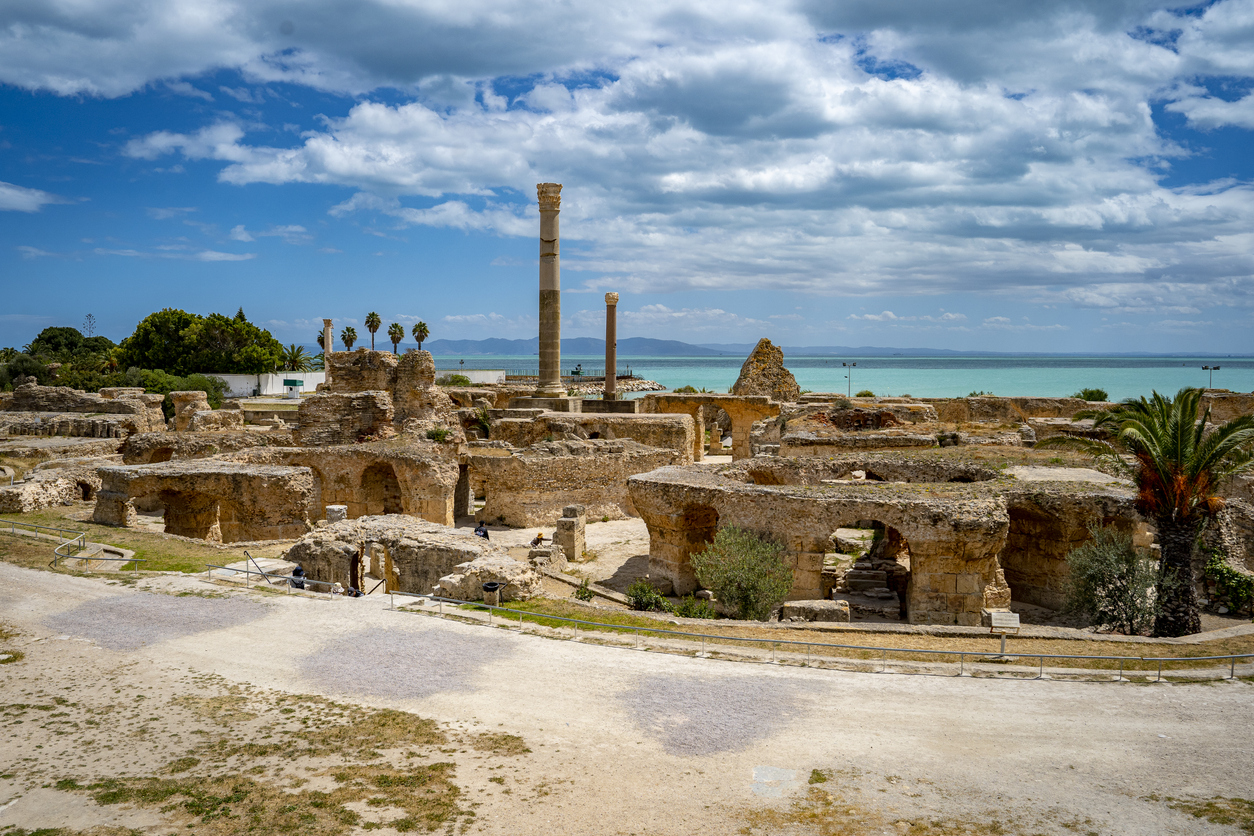
In ancient Carthage, North Africa, the year AD 203 marked a profound moment as a young woman named Vibia Perpetua faced certain death in a Roman arena. At just 22, this noblewoman and mother stood firm in her Christian faith, considered a crime under Roman law, amidst the jeers of the crowd and the threat of wild animals.
Perpetua’s legacy endures not just because of her martyrdom but also due to her powerful personal writings. During her imprisonment, she penned a diary that detailed her emotional turmoil, including the pain of leaving her infant son, her father’s pleas for her to renounce her faith, and the visions that bolstered her resolve.
Her diary, known as ‘The Passion of Perpetua and Felicity,’ is one of the earliest known texts by a Christian woman, providing a unique insight into her thoughts and experiences.
Unyielding Faith Despite the Cost
Perpetua’s narrative is often highlighted for its remarkable bravery. Her courage, however, did not come without struggle. Her writings reveal a woman acutely aware of the immense sacrifice her faith demanded. Beyond risking her life, she was forced to abandon her young child.
Her father, in a desperate effort to save her, visited her in prison, imploring her to reconsider. “Daughter, have pity on my grey head! Have pity on your father if I deserve to be called your father!” he pleaded.
The temptation to choose safety was immense, as many Christians of her time secretly practiced their faith to avoid persecution. Yet, Perpetua remained steadfast. When questioned about her faith, she simply affirmed, “I am.”
This declaration sealed her fate, but denying it was unthinkable to her.
Redefining Victory
Though martyrdom might seem distant to modern sensibilities, Perpetua’s story prompts reflection on the nature of unwavering faith. Her writings convey that she perceived her ordeal not merely as Roman oppression but as a spiritual battle.
In a vision, she envisioned herself as a warrior, not destined to be devoured but to fight. “I understood that I should fight, not with beasts but against the devil,” she documented.
This paradox of the Christian faith suggests apparent defeat often conceals victory. Despite Roman attempts to erase her, Perpetua’s testimony has inspired countless others. Her faith even influenced those around her, including the prison warden who converted to Christianity and the hesitant executioner whom she guided to complete his task.
The Enduring Challenge of Faith
While few today experience persecution like Perpetua, her story serves as a powerful reminder of the cost of genuine faith. It’s easy to follow one’s beliefs when it demands little, but what happens when it requires true sacrifice?
In Perpetua’s era, being a Christian meant losing everything, from family to life itself. Although today’s challenges differ, the essential question remains: will we uphold our convictions in the face of societal pressure? Will we remain committed when misunderstood or marginalized?
Perpetua’s final act—guiding the executioner’s hand—was not one of despair but a profound expression of trust. To her, death was not an end but a passage to something greater.
Her story prompts us to examine our own beliefs. Are we prepared to live with such conviction, declaring, “I am a Christian,” regardless of the consequences?
“Who shall separate us from the love of Christ? Shall trouble or hardship or persecution or famine or nakedness or danger or sword? … No, in all these things we are more than conquerors through him who loved us.” – Romans 8:35, 37 (NIV)
This article was originally written by www.christiantoday.com