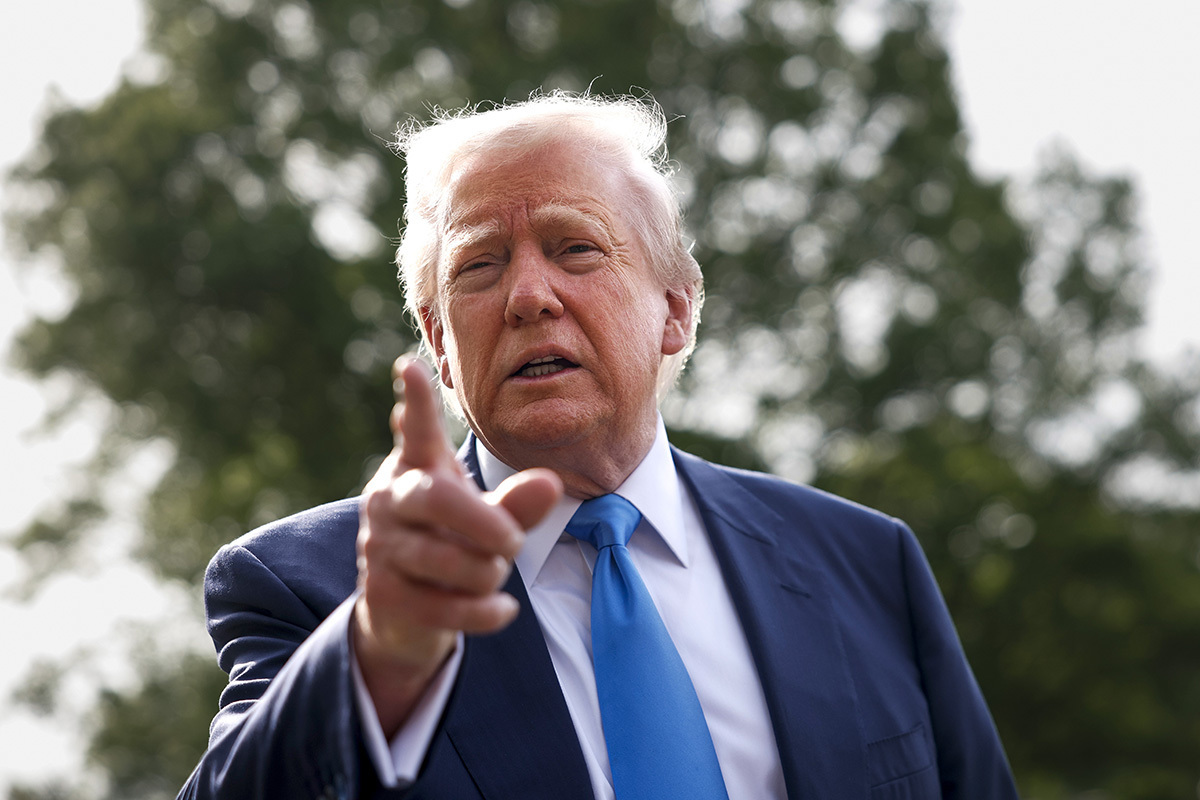
In a significant legislative move, President Donald Trump has signed a new bill into law that aims to curb the unauthorized distribution of sexually explicit images online. This bipartisan initiative, spearheaded by First Lady Melania Trump, sets a precedent by making it a federal offense to post such images without consent, whether they are real or created using artificial intelligence.
A Landmark Law Against Non-consensual Image Sharing
The legislation has been applauded by advocates for sexual exploitation prevention as a crucial step in protecting individuals’ privacy and dignity. The law’s broad reach targets both genuine photographs and AI-generated content, effectively addressing the growing issue of deepfake technology.
Supporters of the bill highlight its importance in the digital age, where the proliferation of technology has made it easier than ever to manipulate and distribute explicit content without consent. The new law aims to provide a legal framework to hold offenders accountable and deter future violations.
Bipartisan Support and Advocacy
The bill’s passage reflects a rare moment of bipartisan agreement in Congress, with lawmakers from both sides of the aisle coming together to tackle the pervasive issue of non-consensual pornography. Melania Trump’s advocacy was instrumental in advancing the legislation, emphasizing the need for federal intervention to protect vulnerable individuals.
This legislative effort underscores a growing recognition of the harm caused by the unauthorized sharing of explicit images, often referred to as “revenge porn.” The new federal crime aims to close legal gaps and empower victims to seek justice against perpetrators.
Implications for Digital Privacy
The enactment of this law marks a pivotal moment in the ongoing battle for digital privacy rights. By criminalizing the non-consensual distribution of sexually explicit material, the legislation sends a strong message about the importance of consent and personal autonomy in the digital realm.
As technology continues to evolve, the need for updated legal protections becomes increasingly urgent. This new law represents a proactive approach to addressing these challenges, setting a standard for future legislative efforts in the realm of privacy and digital security.
This article was originally written by www.christianpost.com