(Photo: World Vision)
As the conflict in Sudan reaches a milestone of over 1,000 days, humanitarian agencies are sounding the alarm over the escalating crisis. With the nation teetering on the brink of collapse, organizations are calling on the UK government to take swift action.
A coalition of 13 UK-based humanitarian groups, including Christian Aid, World Vision UK, Save the Children UK, Oxfam, Tearfund, and CARE International UK, is urging the UK to step up its diplomatic efforts. The coalition, known as KeepEyesOnSudan, emphasizes the urgent need for increased funding, particularly for local and women-led initiatives, and collaboration with regional entities to manage the refugee situation and prevent further spread of the conflict.
Patrick Watt, the chief executive of Christian Aid, highlighted the UK’s unique position, stating that the country holds both a “moral responsibility and the diplomatic leverage” to aid in resolving the crisis. He underscored the UK’s historical ties as a “former colonial power and major aid donor” and its influence as a “penholder” on Sudan at the UN Security Council.
Despite these advantages, humanitarian groups warn of faltering leadership due to ministerial changes, budget cuts, and shifting priorities, which have hindered effective responses.
The crisis in Sudan is deepening, with nearly 34 million people in dire need of aid, including over 11 million children. Alarmingly, 770,000 children are at risk of dying from severe malnutrition. The healthcare system is in disarray, with 80% of medical facilities non-operational, leaving about 65% of the population without reliable medical services.
The ongoing conflict has precipitated what is described as the world’s most severe food crisis, affecting over 21 million people with acute food shortages. Budget reductions in international aid have led to the downsizing or cessation of vital services related to food, healthcare, clean water, and safety.
Women and children are disproportionately affected, with instances of gender-based violence skyrocketing by 288% since late 2023. However, women-led organizations have received less than 2% of the funds from the underfunded Sudan Humanitarian Fund.
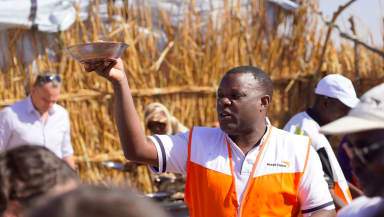
Organizations like Action Against Hunger in Sudan and Plan International Sudan report that families fleeing the conflict arrive at displacement camps in dire conditions, lacking basic necessities such as shelter and clean water. Overcrowding in camps, such as those in East Darfur, which house over 22,500 internally displaced people, exacerbates health and safety risks, according to World Vision.
In a bid to catalyze governmental action, the coalition plans to submit a joint petition to Downing Street in April, coinciding with the three-year anniversary of the conflict’s onset. The public is urged to support this initiative for more robust UK intervention.
Samy Guissebi, Country Director for Action Against Hunger in Sudan, stated, “Sudan cannot be allowed to fade into another forgotten crisis, worse, a neglected one.”
This article was originally written by www.christiantoday.com