Washington State Law Challenges Catholic Confession Secrecy
In a move set to stir debate between legal obligations and religious traditions, a new law in Washington state requires clergy, including Catholic priests, to report child abuse, even if disclosed during confession. This legislation has sparked a call from Democratic state Sen. Noel Frame for the Catholic Church to revise its longstanding confessional policies.

Senate Bill 5375, effective in late July, eliminates the exemption that previously allowed clergy to maintain confidentiality of abuses confessed. Once implemented, clergy must report any suspected child abuse within 48 hours to law enforcement or the state’s Department of Children, Youth and Families.
Sen. Frame, who sponsored the bill, is a survivor of childhood sexual abuse. She discovered that clergy were not mandatory reporters while investigating abuse allegations within the Jehovah’s Witness community in Washington. She told NPR that religious entities should not use internal rules to bypass legal responsibilities, as reported by Newsweek. Frame emphasized that the Catholic Church’s Canon law, which governs internal policies, is amendable to accommodate state laws.
Despite opposition from Catholic leaders, Frame insists that the state’s priority is child protection, and religious exemptions should not compromise this goal. The bill passed the Democrat-led Legislature with a 28–20 Senate vote and a 64–31 House vote, reflecting some bipartisan dissent.
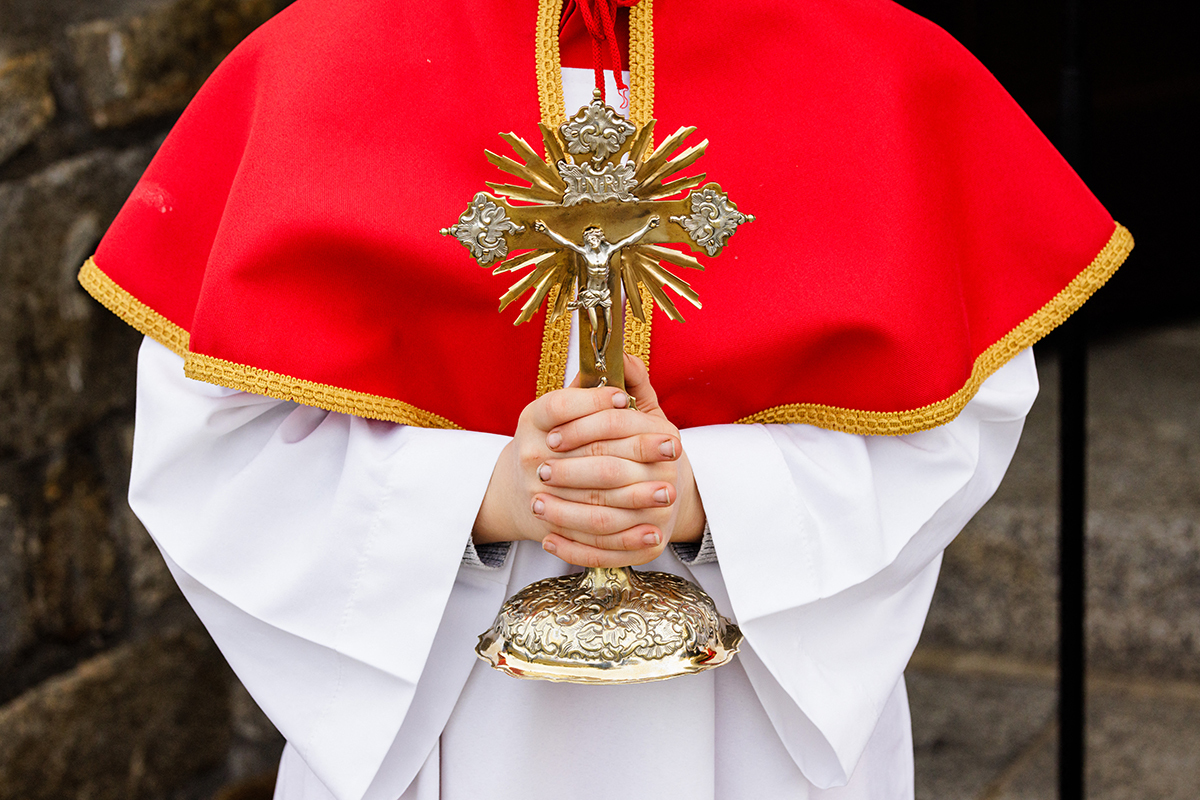
Governor Bob Ferguson, a Democrat and a Catholic, signed the bill into law earlier this month. However, the Archdiocese of Seattle has voiced strong opposition. Archbishop Paul Etienne asserted that priests cannot breach the sacrosanct seal of confession, as mandated by Canon law, which risks excommunication for violators.
The Washington State Catholic Conference (WSCC) expressed support for including clergy as mandatory reporters but requested a confessional exception, a provision granted in most states with similar laws. The WSCC argues that the seal of confession is protected by the First Amendment and that the new law infringes on this constitutional right. The conference also highlighted the Church’s efforts since 2002 to improve abuse prevention and reporting mechanisms.
In response, the Department of Justice has initiated a civil rights investigation, citing potential violations of the First Amendment’s free exercise clause. Assistant Attorney General Harmeet K. Dhillon contends that the law unfairly targets clergy, stripping them of privileges afforded to other professions like legal and medical practitioners. The DOJ launched the investigation on May 8, questioning the fairness and constitutionality of the law.
Currently, 28 states classify clergy as mandatory reporters, though many include exceptions for confidential settings such as confessions. How this law will influence the tension between religious freedom and child protection standards remains to be seen.
This article was originally written by www.christianpost.com