High School Student Embroiled in AI Detection Controversy
In a technologically advanced age, the use of AI detection software in academic settings is stirring debates and causing challenges for students and educators alike. Ailsa Ostovitz, a high school junior, has found herself at the center of this discussion after being accused of utilizing AI for her school assignments.
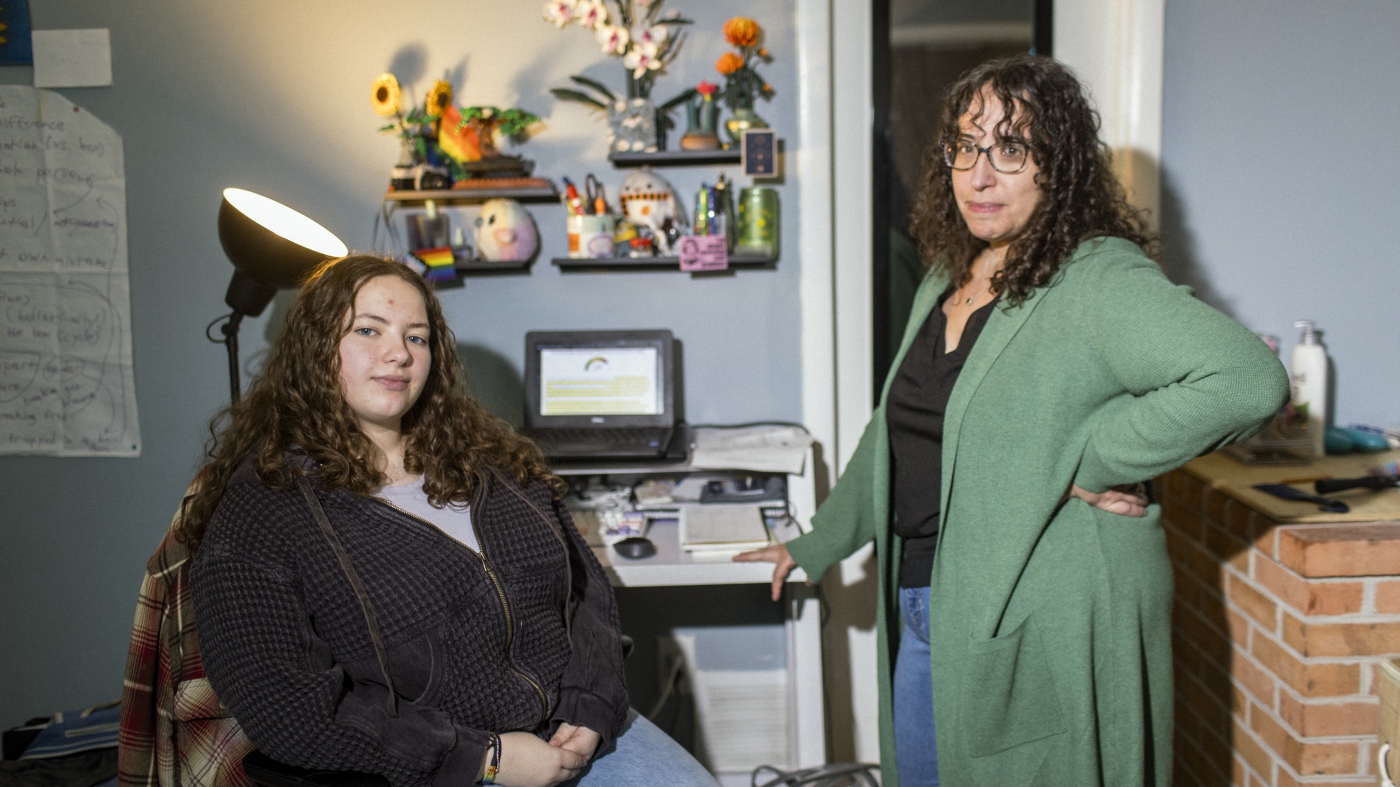
Ostovitz, attending Eleanor Roosevelt High School in Maryland, faced allegations from her teachers based on a 30.76% probability score from an AI detection tool. This score suggested the possibility of AI involvement in her writing tasks, including one about her music tastes. “I write about music. I love music. Why would I use AI to write something that I like talking about?” she expressed, indicating her frustration with the accusations.
Her mother, Stephanie Rizk, was alarmed at the quick judgment from the school, emphasizing the importance of understanding a student’s skill level before relying on such detection tools. “Get to know their level of skill, and then maybe your AI detector is useful,” Rizk advised.
Despite the controversy, Prince George’s County Public Schools clarified that the AI detection tool was not officially endorsed or funded by the district. They advised against the sole reliance on these tools due to their inconsistencies and inaccuracies.
Interestingly, a significant proportion of educators, over 40% of surveyed teachers from grades 6 to 12, have used AI detection tools in the past academic year, according to a poll by the Center for Democracy and Technology. However, research has highlighted the unreliability of these tools, with experts like Mike Perkins stating, “It’s now fairly well established in the academic integrity field that these tools are not fit for purpose.”
AI Detection Software in Schools: A Growing Trend
The use of AI detection software is not limited to Ostovitz’s school. Broward County Public Schools in Florida has invested over $550,000 in a contract with Turnitin, a company known for its plagiarism detection software, which now includes AI detection features. Although Turnitin advises that scores below 20% are less dependable, the district sees value in the software for facilitating discussions rather than using it for grading purposes.
Sherri Wilson, part of Broward’s educational team, acknowledges the limitations of AI detection tools but appreciates their ability to save time for teachers by quickly scanning student work. “The Turnitin tool is something that helps us facilitate conversation and feedback, not grading,” Wilson explains.
Educators’ Perspectives on AI Detection
Some educators, like John Grady from Shaker Heights High School, use AI detection tools as a starting point for discussions with students. Grady employs GPTZero, another AI detection software, but stresses the importance of additional investigation if AI usage is suspected.
Edward Tian, co-founder of GPTZero, supports this approach, suggesting that detection tools should not be the final authority but rather a signal for further inquiry. “We definitely don’t believe this is a punishment tool,” Tian insists.
The Challenges Faced by Students and Teachers
Students like Zi Shi, who is not a native English speaker, worry about the potential bias in AI detection tools. He recounts an instance where his English assignment was flagged, possibly due to using Grammarly for grammar corrections. This raises concerns about the fairness of such software for non-native speakers.
English teacher Carrie Cofer from Cleveland believes that schools should focus on adapting teaching methods to the era of AI rather than investing heavily in detection software. She argues that students can easily find ways to bypass these tools, emphasizing the need for evolving educational strategies.
In response to these challenges, Ostovitz has taken proactive measures by using multiple AI detection tools on her assignments before submission to avoid any misconceptions about her work. “I think I’ve definitely become more vigilant about presenting my work as mine and not AI,” she says, illustrating the extra effort students now undertake to ensure their integrity remains unquestioned.