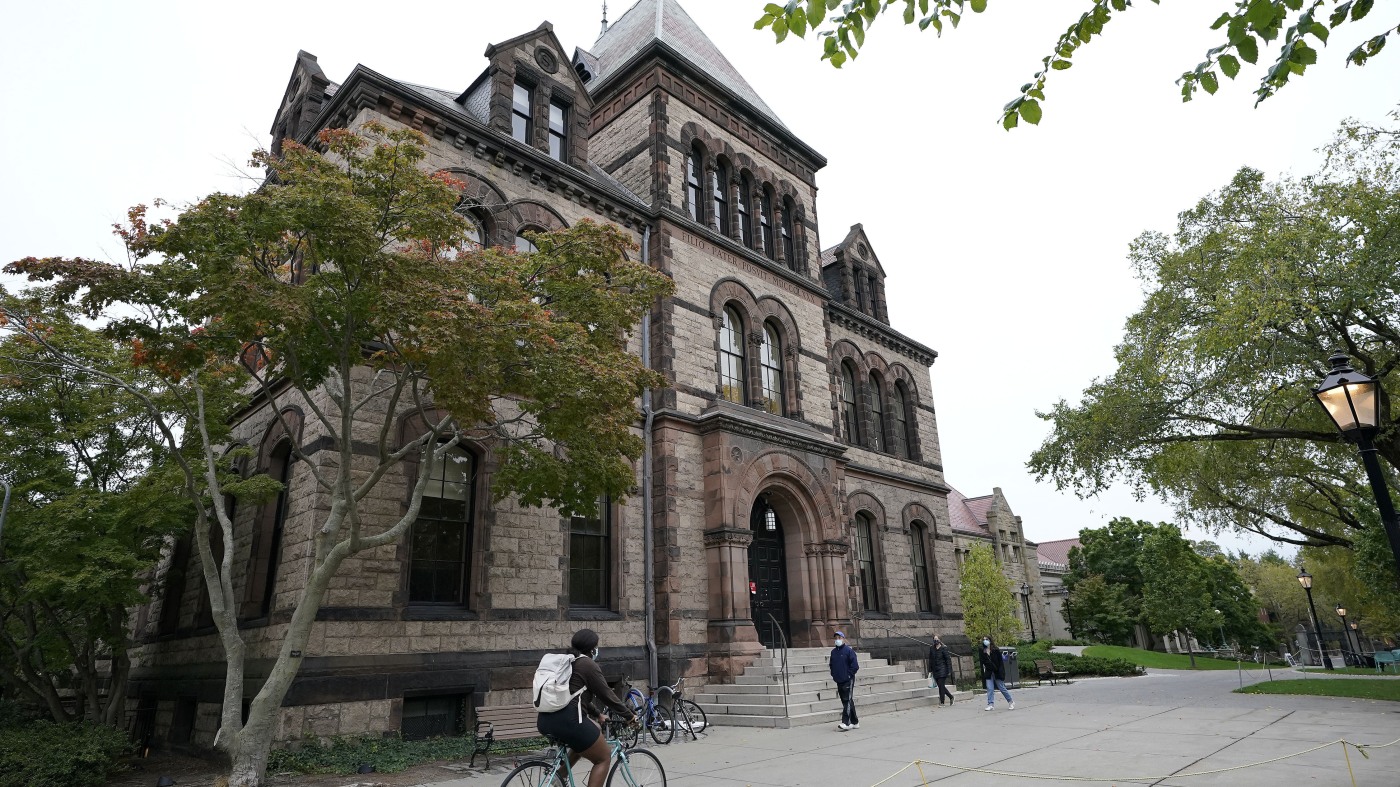
Brown University Settlement with Trump Administration Involves Significant Financial and Policy Changes
In a landmark agreement, Brown University has committed $50 million to support workforce development initiatives in Rhode Island. This decision is part of a settlement with the Trump administration that not only reinstates federal research funding for the university but also dismisses ongoing investigations into alleged discrimination.
As part of the settlement, Brown University has agreed to adopt several measures aligned with the administration’s policies. This includes the acceptance of government definitions of gender as strictly “male” and “female,” and the removal of race considerations from the admissions process.
Christina H. Paxson, President of Brown University, emphasized the institution’s commitment to maintaining academic freedom. The settlement includes provisions ensuring that the government cannot influence the university’s curriculum or academic discourse.
“The University’s foremost priority throughout discussions with the government was remaining true to our academic mission, our core values and who we are as a community at Brown,” Paxson stated in a letter to the campus community.
This settlement is the latest in a series of agreements between Ivy League institutions and the Trump administration, which has been leveraging federal funding to influence policy changes at colleges perceived as overly liberal. Investigations into diversity, equity, and inclusion practices have been a focal point, with claims that these efforts discriminate against white and Asian American students.
Unlike a similar agreement with Columbia University, Brown’s settlement does not include an external monitor. However, it does restore numerous suspended grants and contracts and compensates Brown for $50 million in outstanding federal grant costs.
The agreement also resolves three federal inquiries into allegations of antisemitism and racial bias in admissions without any admissions of wrongdoing. Paxson addressed potential concerns in her letter, noting the financial and governmental pressures faced by the university.
The settlement addresses claims of antisemitism by renewing partnerships with Israeli academics and encouraging Jewish day school students to apply. Additionally, an external organization will conduct a survey assessing the campus environment for Jewish students.
Education Secretary Linda McMahon praised the agreement, stating it ensures students are evaluated “solely on their merits, not their race or sex.”
The settlement mandates that Brown provide detailed data on applicants, including race, academic performance, and test scores, which will undergo a government audit. Furthermore, Brown is prohibited from using any racial preferences in admissions, a stance reinforced by a Supreme Court ruling in 2023.
Over the next decade, Brown’s financial commitment will be directed towards local workforce development, contrasting with Columbia University’s $200 million fine paid to the government. Ted Mitchell, president of the American Council on Education, remarked that this approach represents a “step forward.”
Despite these agreements, Mitchell expressed skepticism about the administration’s willingness to engage in meaningful discussions about higher education policy. “Let’s remember, these are deals. These are not policies,” he stated.
Negotiations with other universities continue, with the Trump administration seeking larger settlements, such as in discussions with Harvard. In a separate agreement, the University of Pennsylvania agreed to modify records for transgender athletes without incurring a fine.