The Role of Innovation in Pediatric Heart Devices: A Closer Look
An innovative device called the PediaFlow could transform the lives of children with congenital heart defects. Developed by James Antaki, a biomedical engineer at Cornell University, this artificial heart is designed specifically for infants and young children, a demographic previously underserved by existing medical devices.
As of last spring, PediaFlow was nearing the clinical trial phase, backed by a $6 million grant from the Department of Defense. However, the Trump administration recently halted this funding, citing broader issues with elite universities concerning civil rights and antisemitism. This decision has left researchers like Antaki in a difficult position, as federal grants totaling around $10 billion have been suspended.
The PediaFlow: A Beacon of Hope
Roughly 1 in 100 children in the U.S. is born with a congenital heart defect. Yet, no artificial heart has been specifically crafted for these young patients. The Food and Drug Administration recognizes the urgent need for such devices, highlighting the critical demand for innovations like the PediaFlow.
Antaki remains hopeful, saying, “There is so much potential in this,” as he carries a prototype of the device with him, eager to see it save lives.
Impact on Families and Patients
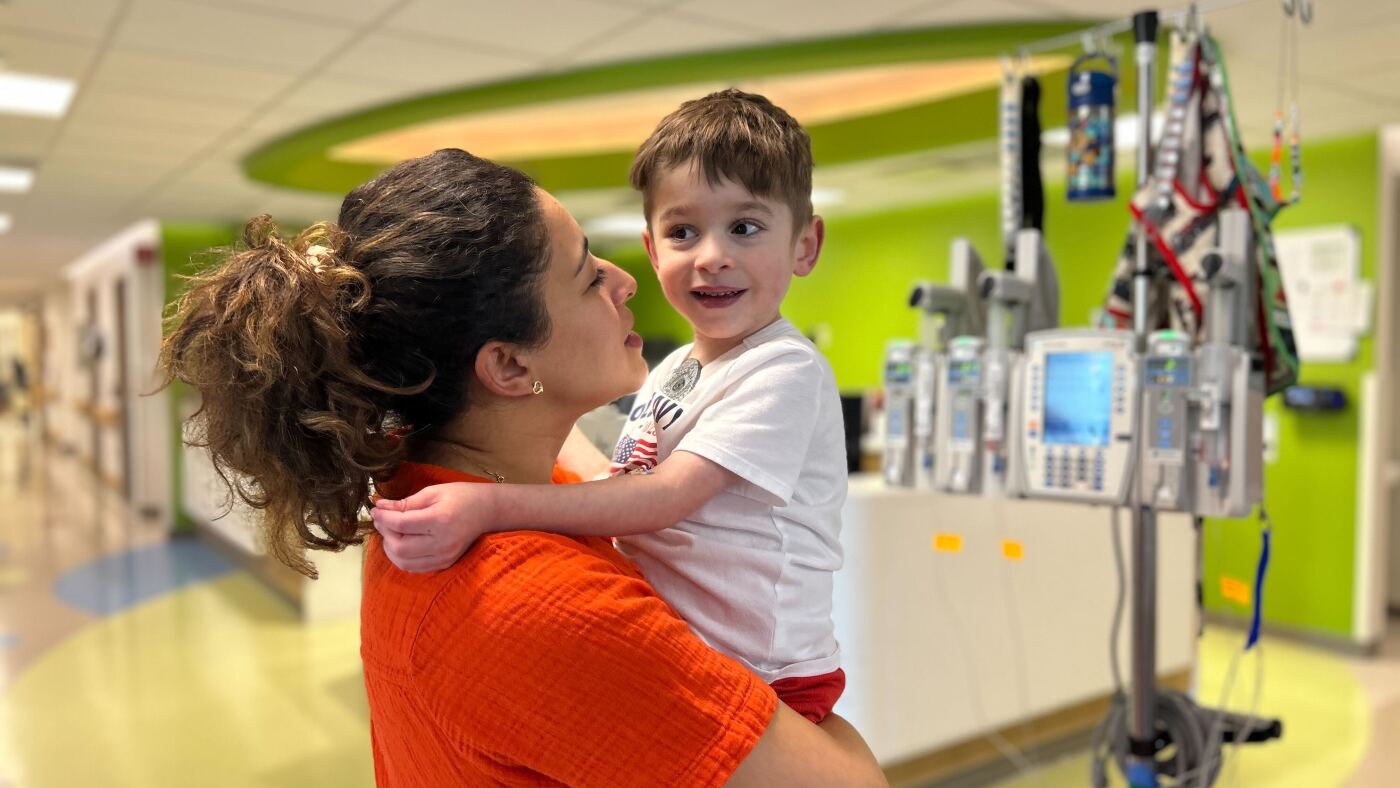
Caleb Strickland, a four-year-old with heart failure, relies on an external ventricular assist device (VAD) while awaiting a heart transplant. His mother, Nora Strickland, feels disconnected from the political decisions affecting their lives. She laments the loss of potential benefits from innovations like the PediaFlow.
Currently, Caleb uses a Berlin Heart, which is external and cumbersome, tethering him to a large power source. Strickland envisions a future where children like Caleb could use a portable device, allowing them a semblance of normalcy, “Caleb could go to the playground. He’d be home, and he’d be out and about,” she says.
Challenges and Future Prospects
The cancellation of Antaki’s grant has halted progress on the PediaFlow, affecting not just the research team but also families who hoped for its benefits. The Department of Defense grant officer cited administration directives as the reason for the funding freeze, leaving researchers without clear guidance on the next steps.
Jonathan Edelson, a pediatric cardiologist at the Children’s Hospital of Philadelphia, underscores the importance of advancing VAD technology to improve the quality of life for young patients. “We know that those tiny patients need devices that are smaller and better compatible with their bodies,” he says.
Despite the setbacks, Edelson remains optimistic about future innovations, as his hospital participates in trials for more portable VAD systems.
Personal Stories and Broader Implications
Ned Place, a Cornell professor, shared his personal tragedy of losing his daughter Ingrid to hypoplastic left heart syndrome. He believes the PediaFlow could have offered his family more time. “The PediaFlow would have bought my family more time,” he reflects, hoping for a future where other families might benefit from such innovations.
Antaki continues to seek alternative funding and hopes for a resolution that will allow the PediaFlow project to resume. However, with his lab inactive and team members dispersed, the path forward remains uncertain.