Reviving Football: A Strategy to Boost Enrollment at Roanoke College
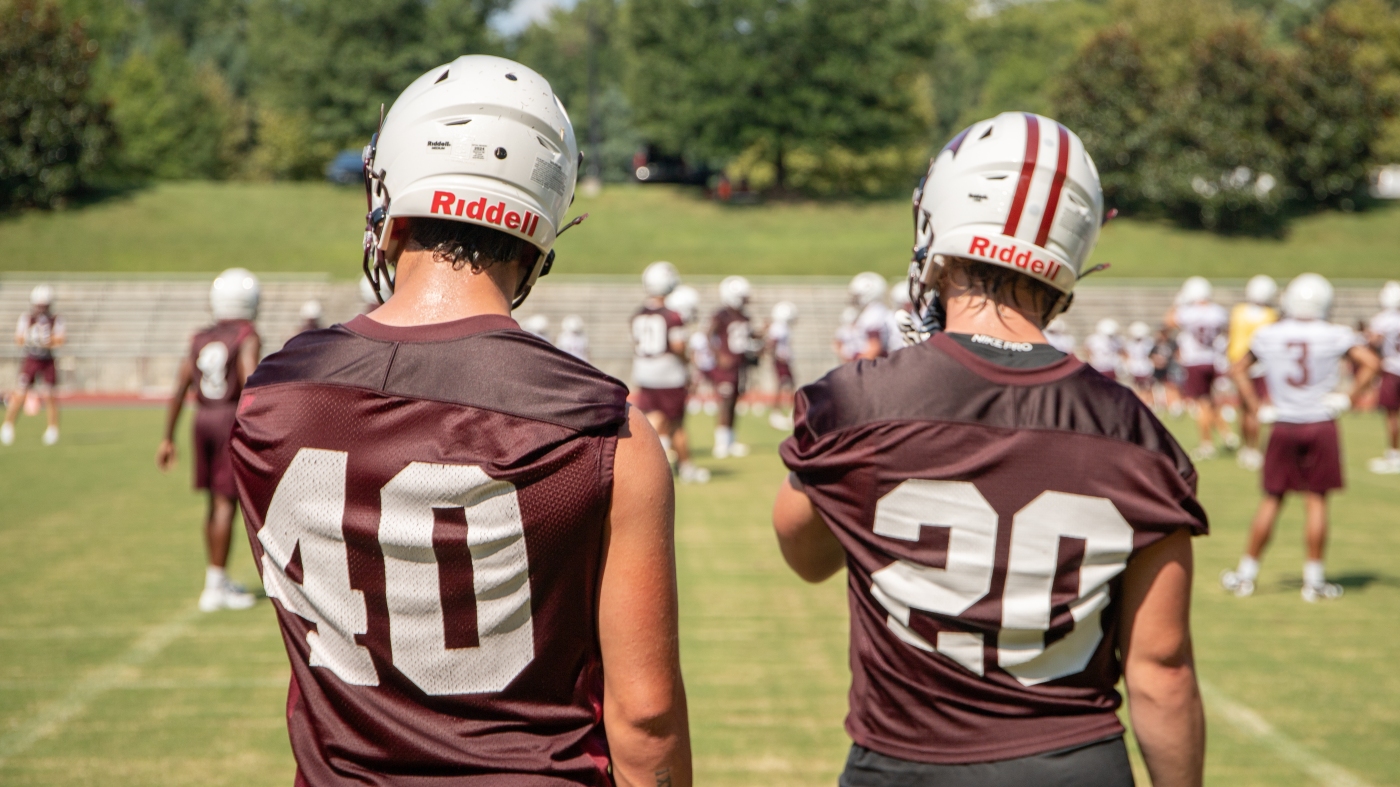
On a sweltering August morning in Salem, Virginia, Roanoke College brought back a long-lost tradition—varsity football. The fields buzzed with excitement as players engaged in drills, marking the first varsity practice since 1942. The college had ceased its football program during World War II, but with the current demographic challenges, it was time for a revival.
Roanoke College is among the educational institutions that have decided to introduce football programs in recent years. Administrators are optimistic that this move will not only enhance campus spirit but also increase student enrollment, particularly of male students, as their numbers have been dwindling.
“Do I think adding sports strategically is helping the college maintain its enrollment base? It absolutely has for us,” said Roanoke’s President, Frank Shushok Jr. He believes that the reintroduction of football, along with associated activities, will attract more students.
Between 2019 and 2022, Roanoke College experienced a significant drop in student numbers, losing nearly 300 students. With the nation’s population of 18-year-olds on the decline, colleges are vying for a limited pool of students. Shushok sees this as a chance to rejuvenate the campus atmosphere and boost male enrollment.
Despite research indicating that the addition of sports may only result in a temporary increase in enrollment, Shushok remains hopeful. “It plays to something that’s really important to 18- to 22-year-olds right now, which is a sense of belonging and spirit and excitement,” he said.
Roanoke’s athletic director, Curtis Campbell, noted the immediate impact, stating, “The goal was that football would, in a couple of years, bring in at least an additional hundred students to the college. We’ve got 97 kids out there on the field. So we’re already at the goal.”
On September 6, the Roanoke Maroons secured their first victory, a 23-7 win over Virginia University of Lynchburg. The event was described by Shushok as “a brilliant day, full of community spirit and pride.”
In NCAA Division III, athletic scholarships are not offered, meaning athletes pay tuition like other students, which can help boost college revenue. However, studies show that while male enrollment may initially increase, it often does not sustain over the long term.
Shushok is not deterred. He believes that the addition of football, a marching band, and a competitive cheerleading team will create a “livelier campus,” fostering a sense of community and belonging among students.
Colleges like Roanoke are turning to sports to address the gender imbalance in higher education. Women currently outnumber men at four-year colleges nationwide by a ratio of 60% to 40%. Roanoke’s current student body is more balanced, with an incoming freshman class that is over 55% male.
Roanoke’s initiative is not just about enrollment numbers. The college has also partnered with local community colleges, offering guaranteed admission to students who complete their associate degrees. Additionally, they have introduced nine new majors, including cannabis studies, to attract diverse student interests.
As Roanoke continues to overcome stereotypes and foster a positive campus culture, students and faculty alike are optimistic. The football team’s respectful demeanor has been noted by faculty, and students are embracing the sport for the camaraderie and memories it brings.
This story about college football was produced by The Hechinger Report, a nonprofit, independent news organization focused on inequality and innovation in education.