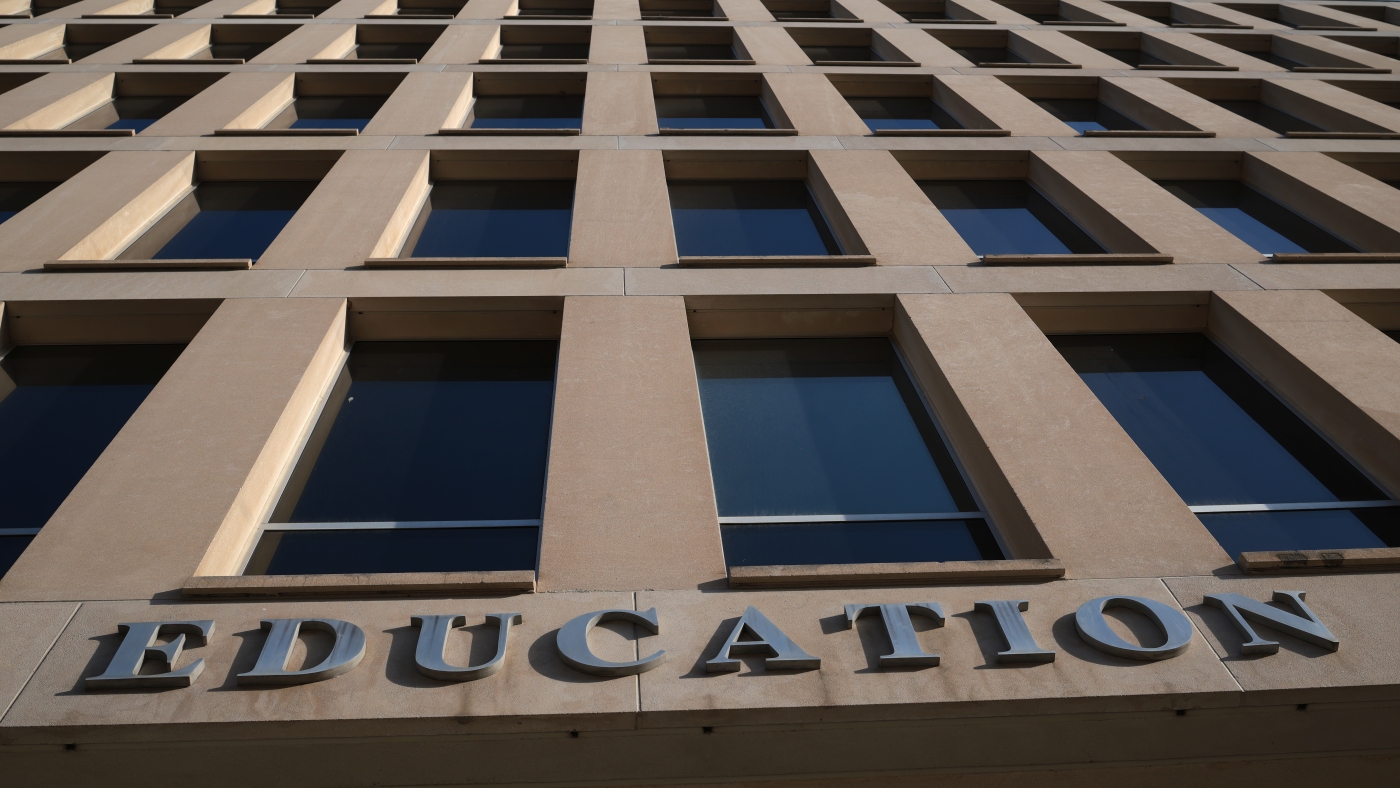
Supreme Court Decision Allows Trump Administration to Proceed with Education Department Changes
The U.S. Supreme Court has permitted the Trump administration to continue with its efforts to restructure the U.S. Department of Education. This decision comes after lifting a previous injunction that had halted the administration’s plans to significantly reduce the department’s workforce.
In a move that could have lasting implications, the court overturned a preliminary injunction placed by a Massachusetts federal judge. This injunction had been set to preserve nearly 1,400 jobs within the department, which were at risk due to the proposed restructuring.
The latest ruling, however, is not definitive, as the case is still ongoing in lower courts. Plaintiffs, comprising states and school districts, express concern that further changes could cause irreversible damage before a final decision is made.
Justice Sonia Sotomayor, in a pointed dissent, criticized the decision, stating, “It hands the Executive the power to repeal statutes by firing all those necessary to carry them out. The majority is either willfully blind to the implications of its ruling or naive, but either way the threat to our Constitution’s separation of powers is grave.”
Meanwhile, U.S. Education Secretary Linda McMahon hailed the ruling as a victory. In a press release, she remarked, “While today’s ruling is a significant win for students and families, it is a shame that the highest court in the land had to step in to allow President Trump to advance the reforms Americans elected him to deliver using the authorities granted to him by the U.S. Constitution.”
The roots of this legal battle trace back to May 22, when U.S. District Court Judge Myong J. Joun issued a preliminary injunction against the Trump administration’s executive order aimed at closing the Education Department. This order also demanded the rehiring of hundreds of employees laid off earlier in the year.
According to the injunction, “A department without enough employees to perform statutorily mandated functions is not a department at all,” emphasizing the critical nature of maintaining staffing levels.
The injunction further halted President Trump’s plan to shift management of federal student loans and special education programs to other agencies, as mentioned in his Oval Office pledge.
The U.S. Court of Appeals for the First Circuit, on June 4, concurred with Joun’s assessment, stating that the staffing cuts rendered it “effectively impossible for the Department to carry out its statutory functions.”
Solicitor General D. John Sauer, representing the Trump administration, argued in a Supreme Court application that the staffing adjustments were merely “streamlining” efforts and within the executive’s rights, as only Congress can dissolve the department.
In response, the plaintiffs’ attorneys cautioned that allowing the department to be dismantled could cause damage that might not be easily rectified, even if they win the case.
This case consolidates two legal actions initiated in March against the administration’s plans to downsize and potentially eliminate the Education Department. The plaintiffs include 20 states, the District of Columbia, the American Federation of Teachers, and other unions.
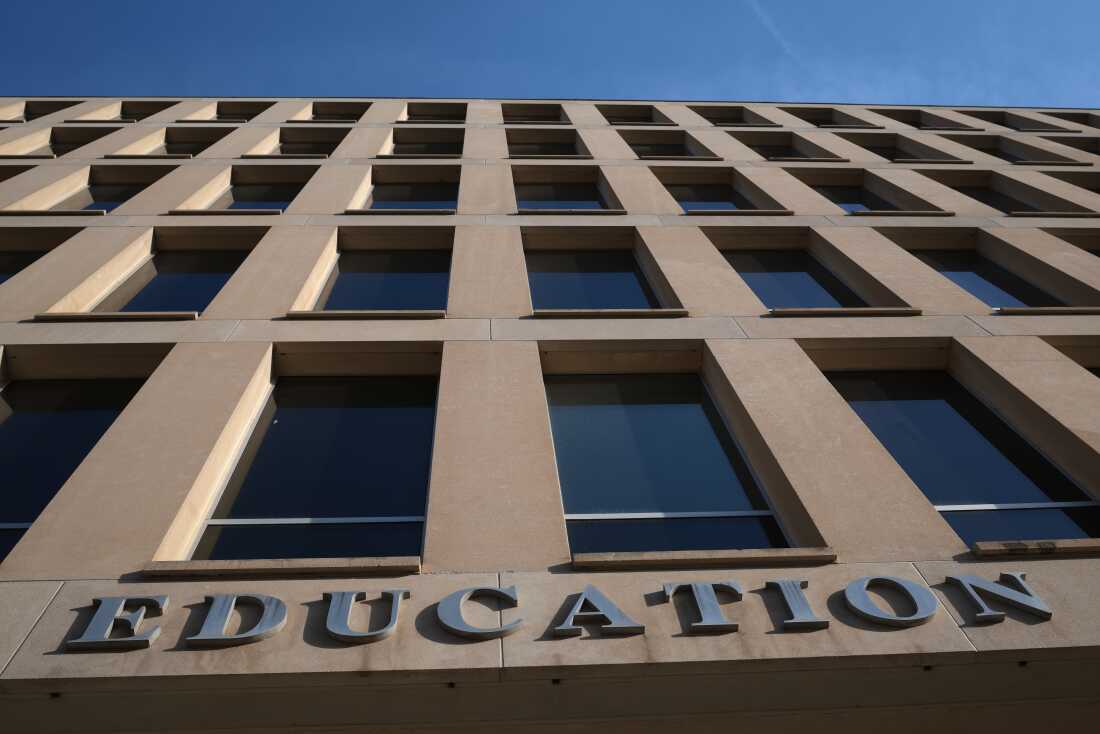
Image credit: Win McNamee/Getty Images North America