Breaking Barriers: Taylor Carty’s Journey Toward Medical Inclusivity
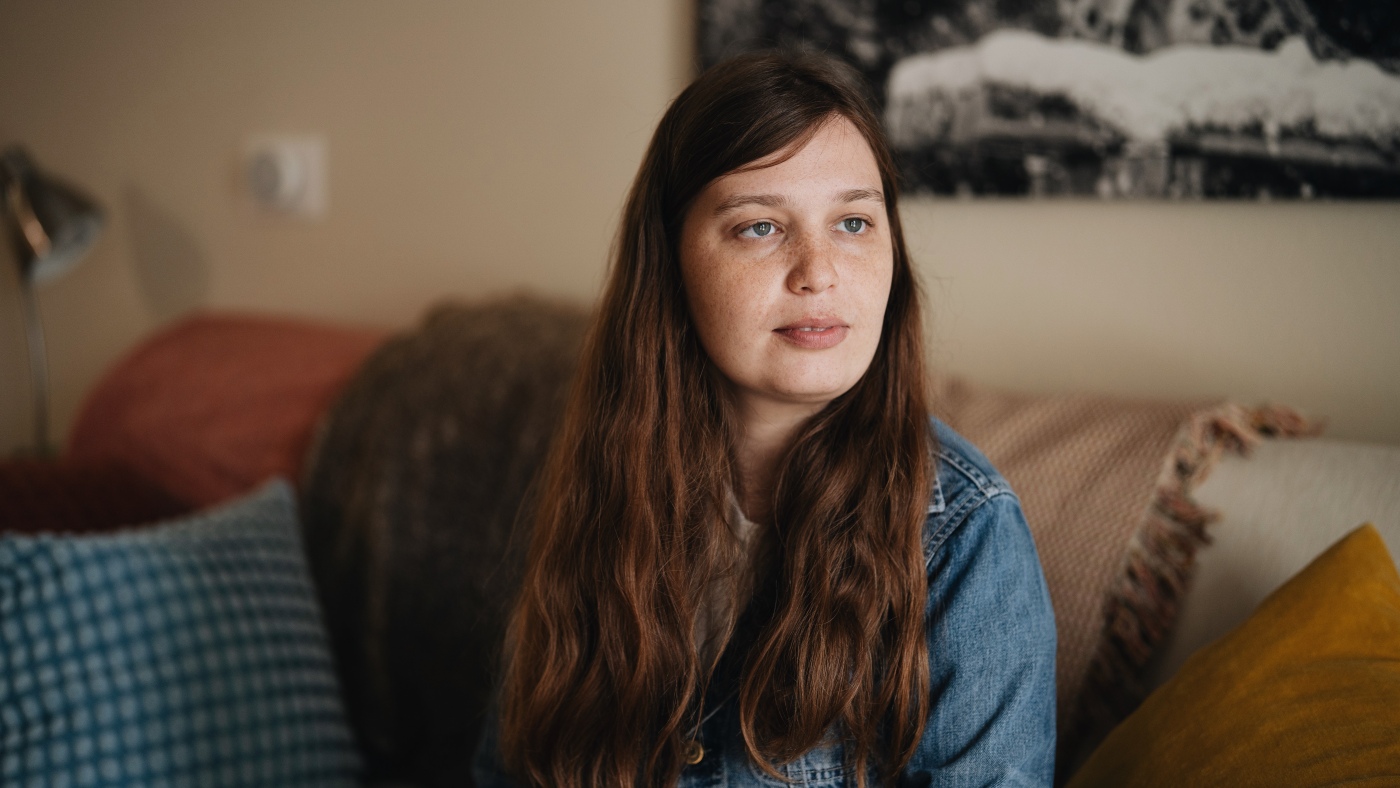
In a world where ambition meets adversity, Taylor Carty’s story serves as a beacon for aspiring physicians with disabilities. Diagnosed with cerebral palsy as a baby, Carty has always been inspired by the healthcare professionals who supported her. Her journey highlights the challenges and triumphs of navigating medical school with a disability.
At the age of 30, Carty was on the brink of her lifelong dream when she was accepted into Wayne State University School of Medicine in Detroit. This acceptance was not just a personal victory but a family legacy, as her grandfather had also attended the same institution. “I was ecstatic because it was the culmination of just years of hard work and my dream of potentially helping children and young adults with disabilities,” Carty shared.
Currently, over 25% of U.S. adults have some form of disability, yet only about 3% of doctors share this experience. Carty aims to change this narrative.
Despite using a wheelchair and having limited mobility in her left hand, Carty was committed to meeting Wayne State’s technical standards for medical procedures. These standards, set by each school, ensure all doctors possess fundamental skills. “The one thing that made suturing more difficult was that I can’t turn [my left hand] over, palm facing up,” she explained.
After months of correspondence with Wayne State’s Student Disability Services to explore accommodations, Carty faced a setback when her acceptance was rescinded in 2023. Heartbroken but undeterred, she filed a discrimination complaint with the U.S. Department of Justice, citing the Americans with Disabilities Act and Section 504 of the Rehabilitation Act.
Inclusive Standards: A Call for Change
The Association of American Medical Colleges has been advocating for more inclusive technical standards since 2021. However, according to Carol Haywood from Northwestern University, progress has been slow. “Most schools still have a majority of standards that are restrictive to students with disabilities,” Haywood notes.
Dr. Vovanti Jones, a physician with muscular dystrophy, underscores the importance of representation in the medical field. “I do think my patients build a different relationship with me than they do with my able-bodied colleagues,” she says, highlighting the empathy and understanding that comes from shared experiences.
Adapting the Medical Profession
As the medical community grapples with balancing essential skills and inclusivity, some institutions are paving the way. The University of California, San Diego School of Medicine, for instance, has revised its standards to focus on collaborative efforts rather than individual physical prowess. “CPR is never done as a one person-to-one person,” notes Dr. Sean Evans, emphasizing the team-based nature of modern medical practice.
Taylor Carty, now pursuing a Master of Public Health at UCLA, remains committed to fostering change. “I know there’s a young child who is putting on that stethoscope,” she says, “and I want to make that accessible for them.”