Clintons Agree to Testify in Epstein Probe as Congress Weighs Contempt Charges
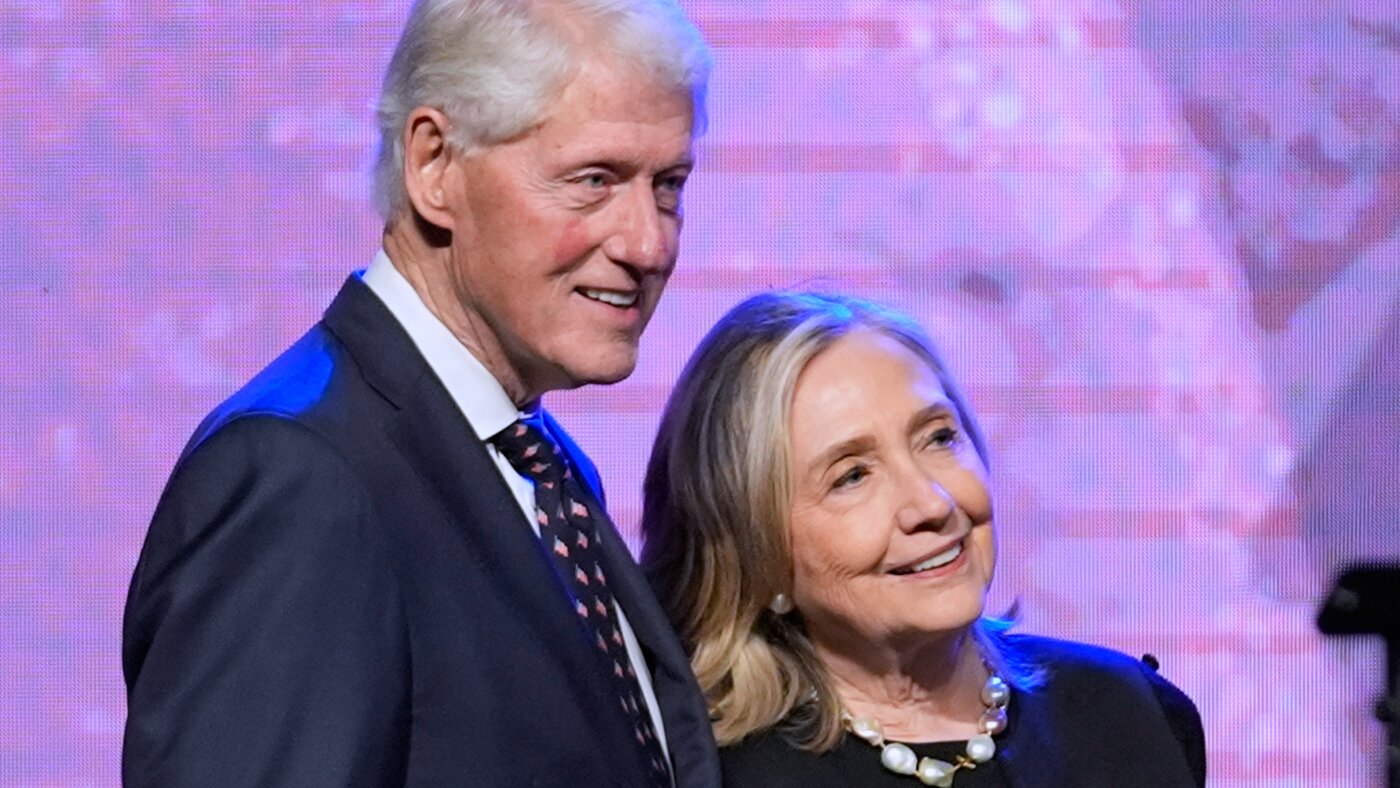
In a surprising development, former President Bill Clinton and former Secretary of State Hillary Clinton have conditionally agreed to testify in a House probe concerning Jeffrey Epstein. This decision comes as the threat of contempt charges looms, with Republican leaders pushing forward with proceedings against the Clintons for defying a congressional subpoena.
Rep. James Comer, chair of the House Oversight Committee, remains firm in his stance, demanding that the Clintons comply with subpoenas for depositions. Despite an email from the Clintons’ attorneys expressing willingness to cooperate on “mutually agreeable dates,” Comer has not withdrawn the potential for contempt charges, which could lead to fines or imprisonment if pursued by the Justice Department.
“We don’t have anything in writing,” Comer stated, indicating that the acceptance of the Clintons’ offer hinges on their forthcoming statements.
The House Rules Committee recently delayed advancing the contempt resolutions, allowing more time for negotiations. This marks a significant moment in congressional history, as it could be the first instance of a former president facing contempt charges.
Comer previously turned down a proposal from the Clintons’ legal team, where Bill Clinton would participate in a transcribed interview while Hillary Clinton would provide a sworn declaration. Comer insisted on both appearing for depositions, maintaining that “the Clintons do not get to dictate the terms of lawful subpoenas.”
Political Implications and Ongoing Investigations
The Clintons’ interactions with Epstein have garnered renewed attention, with Republicans highlighting Bill Clinton’s past association with the disgraced financier. The Clintons, however, have criticized Comer’s tactics, accusing him of politicizing the investigation and neglecting to scrutinize the Trump administration’s delay in releasing pertinent Department of Justice files.
Angel Ureña, a spokesperson for the Clintons, defended their cooperation, stating, “They negotiated in good faith. You did not. They told you under oath what they know, but you don’t care.”
Democratic leaders, including House Minority Leader Hakeem Jeffries, have expressed skepticism about the contempt charges. Jeffries labeled the proceedings as a “charade” and emphasized that the Justice Department has yet to release all its files on Epstein.
As the situation unfolds, the prospect of Congress invoking severe measures against a former president remains a contentious issue, with potential repercussions for both sides of the political aisle.