Congressional Hearing Highlights Tensions Over Immigration Enforcement
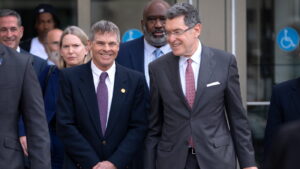
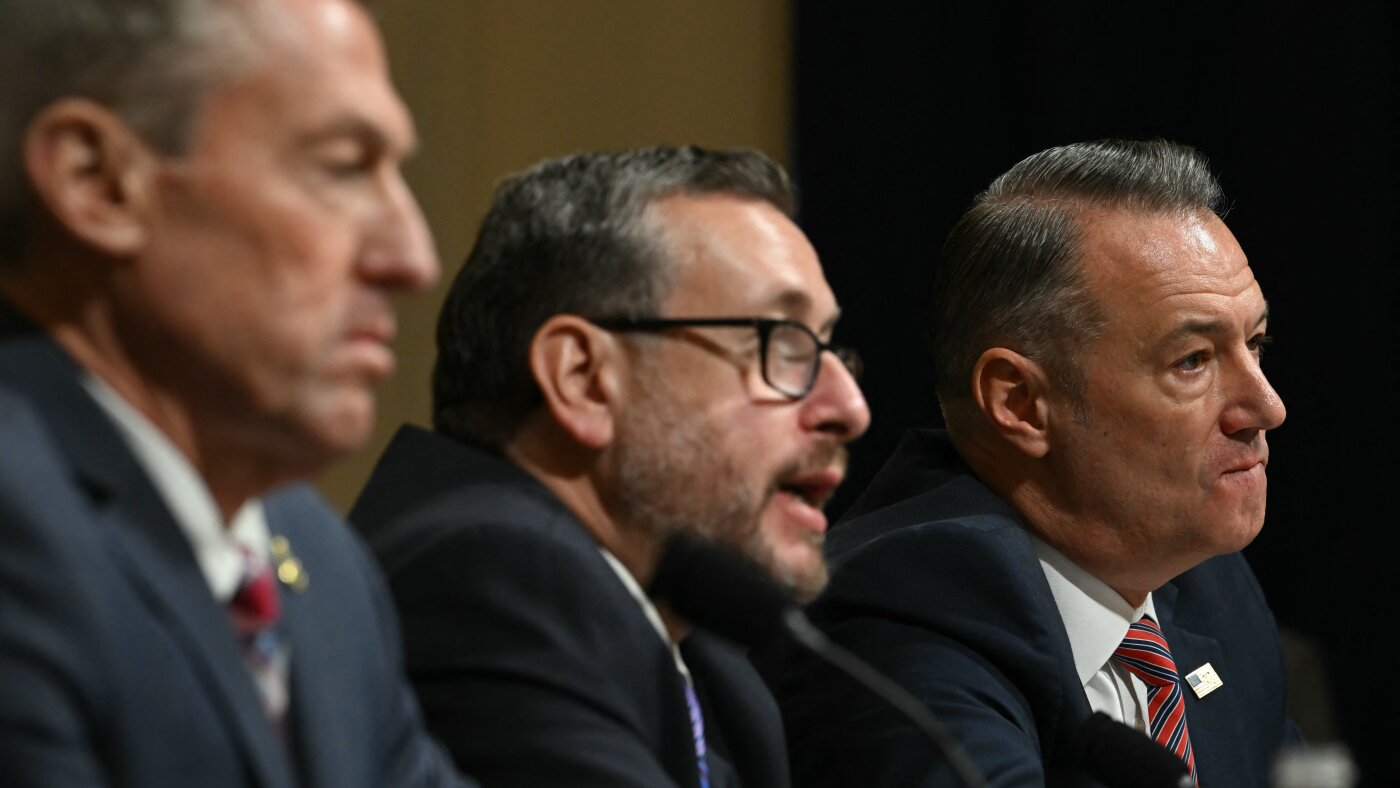
A contentious congressional hearing unfolded as immigration agency leaders faced scrutiny over recent incidents involving federal officers and U.S. citizens. The session marked the first appearance of these leaders since two American citizens were fatally shot by immigration officers in Minneapolis.
The House Homeland Security Committee, with bipartisan participation, seized the opportunity to question the strategies employed by the Trump administration to combat illegal immigration. The session occurred amid looming uncertainty, as funding for the Department of Homeland Security (DHS) approaches its expiration date, threatening to disrupt the operations of key agencies like Immigration and Customs Enforcement (ICE) and Customs and Border Protection (CBP).
The hearing underscored the persistent divide between Republicans and Democrats regarding immigration enforcement strategies. As discussions revealed, there is potential for another stopgap measure to ensure the DHS continues to function without a comprehensive agreement on proposed changes.
1. Recent Fatalities Dominate Discussions
The deaths of Renee Macklin Good and Alex Pretti, both 37, who were killed in separate incidents by DHS officers, were a focal point for both parties. Committee chairman Rep. Andrew Garbarino, R-N.Y., described these deaths as “unacceptable and preventable,” urging a thorough investigation.
ICE Acting Director Todd Lyons, yet to be confirmed by the Senate, refrained from commenting on ongoing investigations. He did, however, assert that U.S. citizens should not be entangled in immigration enforcement efforts. “ICE officers and special agents are trained in the Immigration and Nationality Act,” Lyons explained, emphasizing that U.S. citizens should not fear deportation or detention.
2. Cross-Party Concerns About Training and Oversight
The adequacy of training and oversight for immigration officers was another critical issue. Lyons detailed the training process, which includes 47 days at the Federal Law Enforcement Training Academy in Georgia. He acknowledged the complexity of immigration law, likening it to the tax code.
Rep. Eric Swalwell, D-Calif., inquired about disciplinary actions against officers, but Lyons declined to discuss personnel matters. Lyons condemned inappropriate language used by immigration officers, asserting that such behavior does not reflect ICE’s values.
3. Common Ground on Surveillance and Equipment
Republicans joined Democrats in expressing concerns over roving patrols and the use of body cameras. CBP’s expanded role in interior enforcement has raised questions, with some lawmakers advocating for a return to border-focused operations.
Both ICE and CBP highlighted resource constraints, with only a fraction of officers equipped with body cameras. Lyons committed to releasing footage from Minneapolis, while CBP Commissioner Rodney Scott appealed for full funding of the body camera program, emphasizing transparency.
4. Partisan Divides Persist
Despite some agreement, partisan lines were evident in the rhetoric and proposals discussed. Republicans lauded ICE’s work, while Democrats called for its dismantling. Disagreements extended to proposals for officer identification and the use of face masks, with Republicans opposing measures they argue could endanger agents.
5. Focus on ICE Amidst DHS Budget Concerns
While ICE operations were a focal point, changes at CBP and USCIS received less scrutiny, despite their growing roles in immigration enforcement. Concerns linger over the potential impact of a DHS shutdown, though agency leaders downplayed effects on immigration operations.
The potential lapse in funding is expected to impact non-immigration agencies within DHS, such as the Transportation Security Administration and Federal Emergency Management Agency, posing challenges for air travel and disaster response.