Public Health Concerns Emerge Amidst Fauci’s Senate Hearing
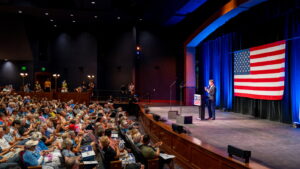
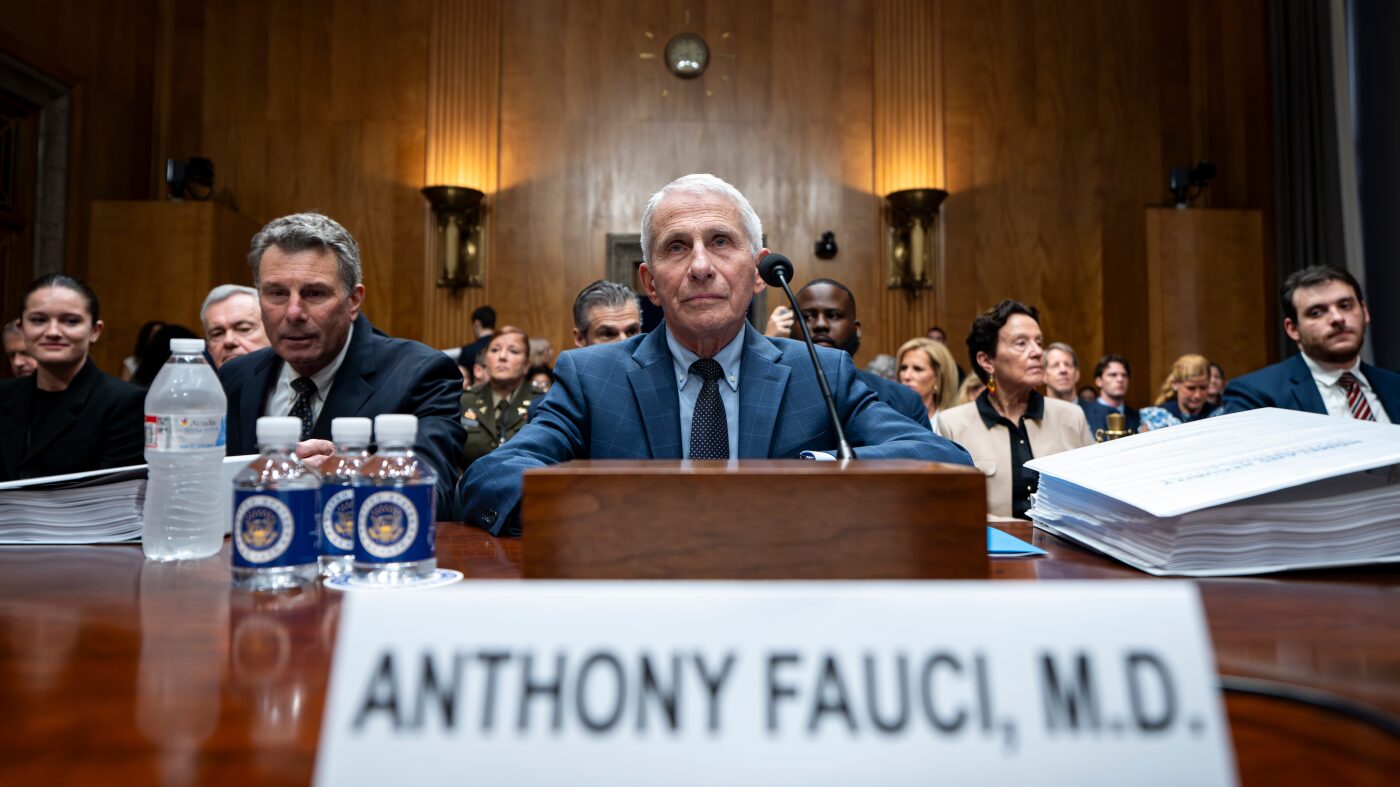
Dr. Anthony Fauci faced a challenging Senate Committee session on Homeland Security and Governmental Affairs, where he repeatedly invoked his Fifth Amendment rights, opting not to respond to inquiries about the COVID-19 pandemic’s origins. This decision has sparked calls from Sen. Rand Paul, R-Ky., to potentially hold Fauci in contempt of Congress.
The hearing has reignited debates over unsubstantiated allegations regarding a lab leak origin of SARS-CoV-2, accusations that Fauci has consistently denied. However, the scrutiny on Fauci has raised alarms among Democrats and public health professionals who fear the effects on the nation’s health infrastructure.
“These firings and these cuts — they’re creating a chilling effect, honestly,” said Rep. Andy Kim, D-N.J., expressing concern over the impact on future public health professionals. Kim praised Fauci for his service and condemned the demonization of public servants in the sector.
Experts like epidemiologist Katelyn Jetelina have voiced worries that recent developments could reverse progress made in public health unity. “I thought that we were healing as a country around COVID-19,” Jetelina remarked, noting the reopening of old wounds.
Health Freedom Movements
The pandemic witnessed a rise in movements advocating “health freedom,” where individuals rejected mandatory medical treatments and public health measures. Nicole Huberfeld, a health law professor at Boston University, noted that many objections were based on moral or religious grounds rather than empirical evidence.
The resistance to pandemic policies like masking and social distancing grew, partly fueled by political pushback during the Trump administration. Although interest waned during President Biden’s term, it has surged again under the second Trump administration, according to Huberfeld.
Implications for Public Health
Public health leaders worry about the broader implications of recent political dynamics. Dr. Georges Benjamin, head of the American Public Health Association, highlighted the already visible impacts on the nation’s health. “We are less healthy,” he stated, pointing to inadequate responses to various diseases.
Huberfeld expressed concern over the ongoing attacks on public health figures and the erosion of essential agencies like the U.S. Department of Health and Human Services. “The devaluing of public health makes it much harder to do the work and erodes public trust,” she said.
Challenges Facing Future Public Health Professionals
Benjamin emphasized the importance of public health officials providing informed guidance to policymakers, despite potential intimidation. Jetelina, also an adjunct professor at Yale, noted a decline in enrollment and increased apprehension among students about their career prospects in public health.
“We’re just scientists,” Jetelina stated, describing the unprecedented level of risk faced by those in the field. She highlighted the need for more collaborative conversations between health professionals and the public to restore trust.
Jetelina suggested a commission similar to the 9/11 Commission for COVID-19 to assess past actions and prepare for future health challenges. “There’s no time to waste,” Benjamin warned, stressing the importance of maintaining scientific integrity to protect public health.