Federal Surveillance and Protesters: Unpacking the DHS’s Actions
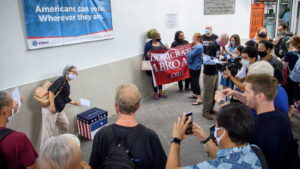
Amidst growing concerns about privacy and civil liberties, the Department of Homeland Security (DHS) finds itself under scrutiny for its practices regarding the monitoring of protesters. Recent interactions between federal agents and citizens have raised questions about the extent of surveillance on those who observe or participate in demonstrations.
Incident in Maine Sparks Concerns
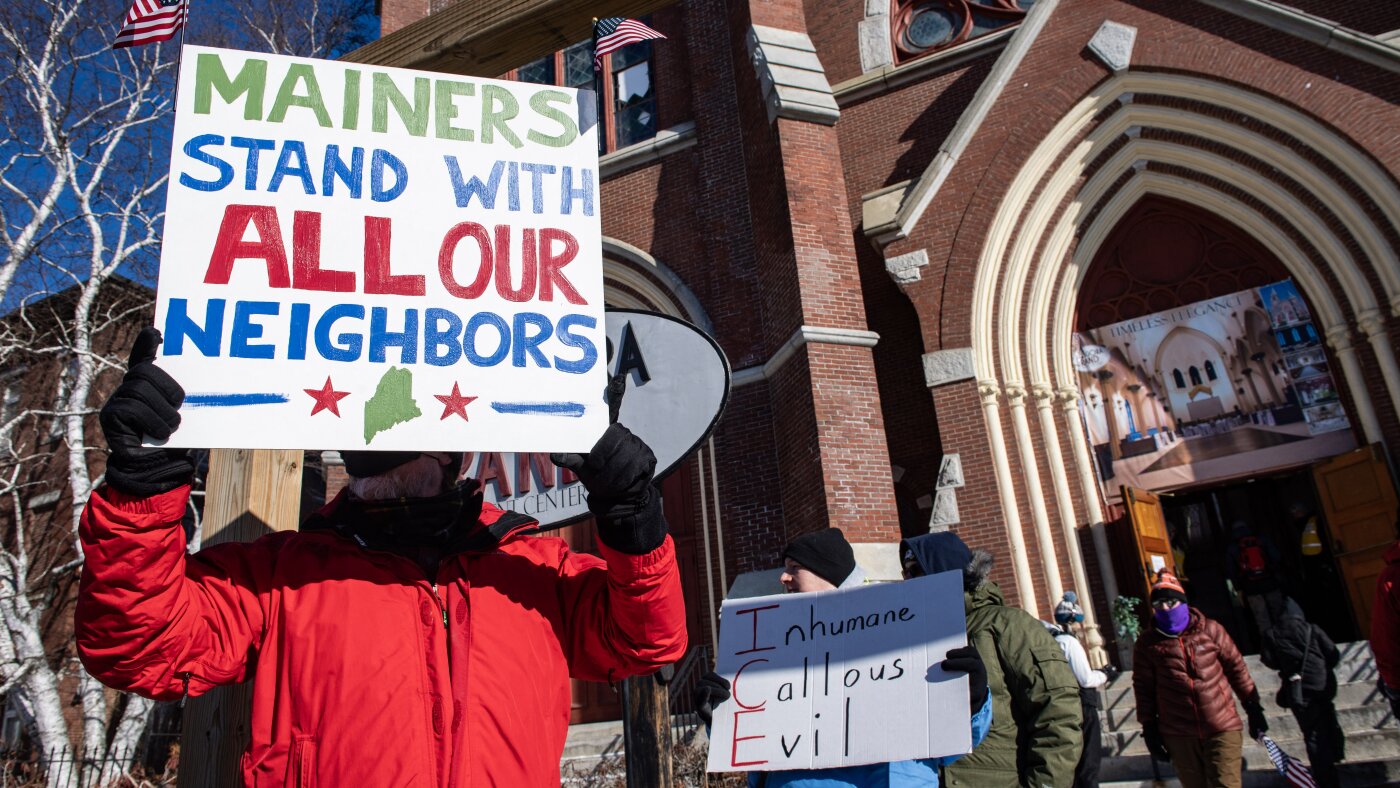
In January, during a federal immigration enforcement operation in Portland, Maine, Xenia Pantos, a pediatric occupational therapist, encountered masked federal agents while driving to work. Observing from a distance, Pantos noticed an agent photographing another observer’s license plate. This brief encounter later led to a troubling phone call received by Pantos’ spouse, Carly Williams, from a man claiming to be with the Department of Homeland Security.
“What he basically said was, ‘You should let her know to not do that anymore because people who are doing that type of thing are getting added to a domestic terrorist watch list,'” Williams recalled in an interview with NPR.
DHS’s Stance on Data Collection
The Department of Homeland Security has consistently denied maintaining a database specifically tracking U.S. protesters. However, a letter from Todd Lyons, the acting ICE director, to Congress acknowledged that the agency collects information on individuals suspected of violating laws, including those who interfere with ICE operations.
Lyons emphasized that while ICE does not maintain a database of protesters, the agency does gather essential biographic and biometric information when necessary for investigations. “If individuals who interact with ICE officers are not arrested or detained, any information collected during those encounters is maintained consistent with applicable law and DHS and ICE policies and is treated as an official government record,” Lyons stated.
Civil Liberties Concerns
JoAnna Suriani, a lawyer at Protect Democracy, expressed concern over the letter’s implications. “This letter is evidence of the fact that ICE is knowingly collecting and maintaining official government records on any protestor or lawful observer that its agents claim is potentially interfering with them or threatening agent safety,” Suriani stated.
Surveillance Tools and Their Impact
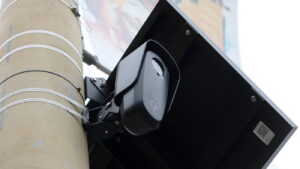
Federal agents’ access to advanced surveillance tools, including facial recognition technology, has been a point of contention. Such tools enable agents to identify protesters and observers, raising concerns about privacy and overreach.
Political and Legal Reactions
Rep. Maxwell Frost and other Democrats have raised questions about DHS’s data collection practices, particularly in relation to protests. Their inquiry focused on whether DHS maintains or accesses information from various programs allegedly used for tracking protesters.
Additionally, organizations like FIRE are pursuing legal action to gain access to DHS and ICE records to clarify whether these agencies maintain a database of protesters.
Personal Accounts of Surveillance
Pantos and Williams’ experience underscores the personal impact of federal surveillance. After their encounter with federal agents, subsequent travel to Quebec City involved unexpected questioning by Customs and Border Protection officers, reinforcing their concerns about data retention and surveillance.
“I feel really concerned about what has happened with my data and the data of so many other people,” Pantos expressed, highlighting the broader implications of DHS’s monitoring practices on civil liberties.