
Gen Z’s Impact on Recent Elections: A Closer Look at Their Role and Influence
In a shift that surprised many political analysts, the Democratic Party made significant gains with Generation Z in the latest elections. This demographic, comprising voters under 30, played a crucial role in the Democrats’ success, as reflected by the nearly 50-point margin they secured among these young voters.
The outcome marks a stark contrast to the 2024 elections when Gen Z showed increased support for Donald Trump. Back then, economic promises by Trump appeared to resonate with younger voters, causing a shift to the right. However, recent exit polls suggest a renewed confidence in the Democrats, driven by a perception that the American Dream is increasingly elusive.
Understanding Gen Z’s Electoral Influence
Historically, voters aged 18-29 have shown lower turnout rates compared to older demographics. This trend continued in the recent elections, with Gen Z accounting for 11% of the total vote. Nonetheless, their impact was particularly felt in closely contested House and Senate races.
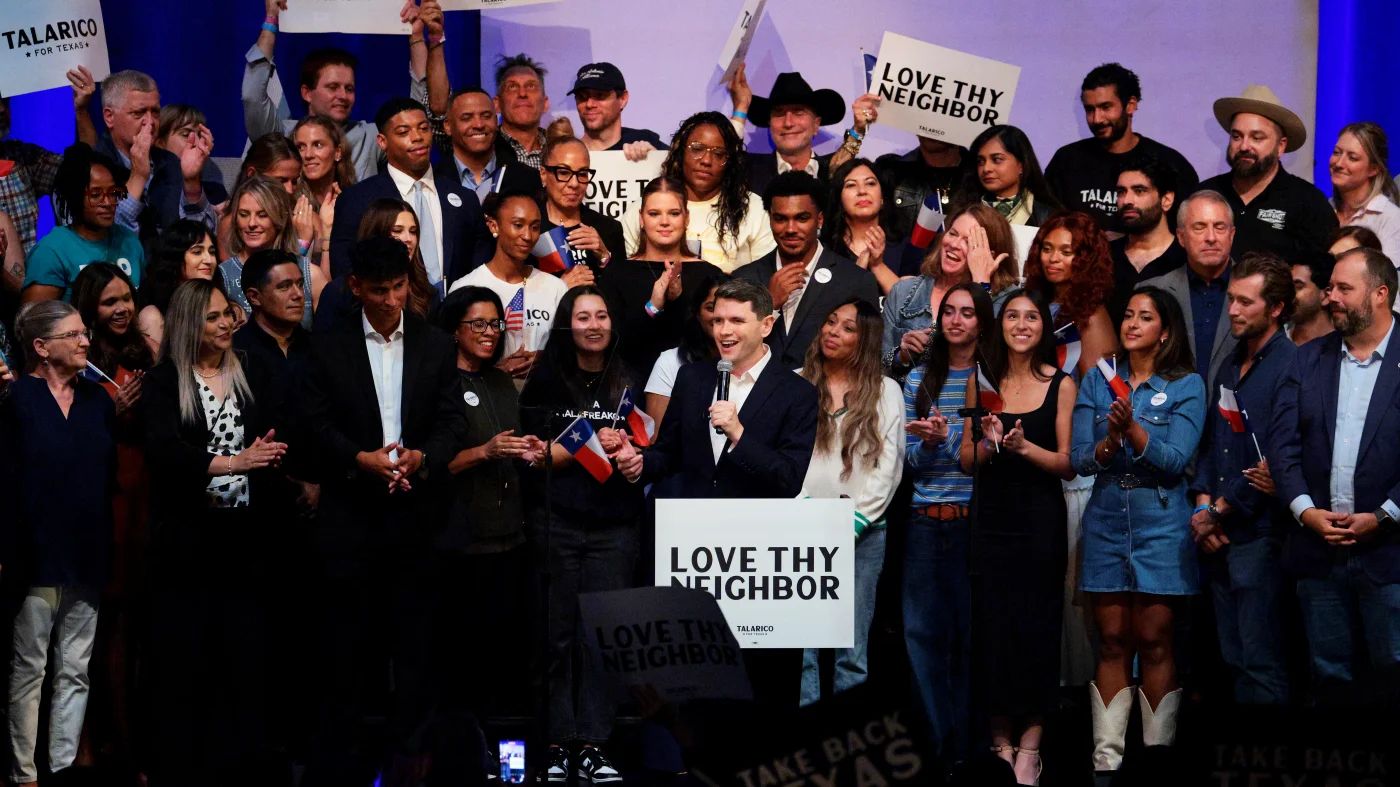
A noteworthy illustration of this is the Texas Senate race, where Democrat James Talarico triumphed by 12 percentage points across the state. Among Gen Z voters, however, his lead soared to an impressive 60 points.
The Shift from 2024: Factors at Play
Several elements contributed to the Democrats’ gains, including a strong candidate lineup and growing opposition to Trump. As his second term progressed, dissatisfaction with Trump’s policies grew among Gen Z, particularly due to unmet promises on economic issues, federal corruption, and international relations.
Economic concerns were paramount for 43% of voters aged 18-29, who expressed discontent with Trump’s economic strategies. A significant majority criticized his tariff policies and the decision to engage in conflict with Iran.
Young Voters’ Changing Preferences
According to CIRCLE’s early analysis, 15% of 2024’s young Trump supporters switched to Democratic House candidates in the recent midterms. This shift was evident among white and Latino men, who had previously leaned Republican but now favored Democrats by double-digit margins.
While some of these gains might be attributed to young Trump supporters abstaining from voting, the precise extent remains unclear.
Generational Dynamics in the Electorate
John Della Volpe, a pollster with expertise in young Americans’ political tendencies, emphasizes that neither party can take Gen Z’s support for granted. “Every candidate, every party has to earn their votes,” he noted, highlighting the diverse experiences shaping each cohort of young voters.
The Harvard Youth Poll underscores this point, revealing an enthusiasm gap favoring young Democrats over their Republican and Independent counterparts.
Looking ahead, Gen Z and millennials are projected to comprise over half of the electorate by 2028, a shift that holds significant implications for both major political parties. Elizabeth Matto from Rutgers University asserts, “Young adults can make a difference. They do care about politics. They can sway the outcome of elections. And they’re a voting bloc worth paying attention to.”





Comments are closed.