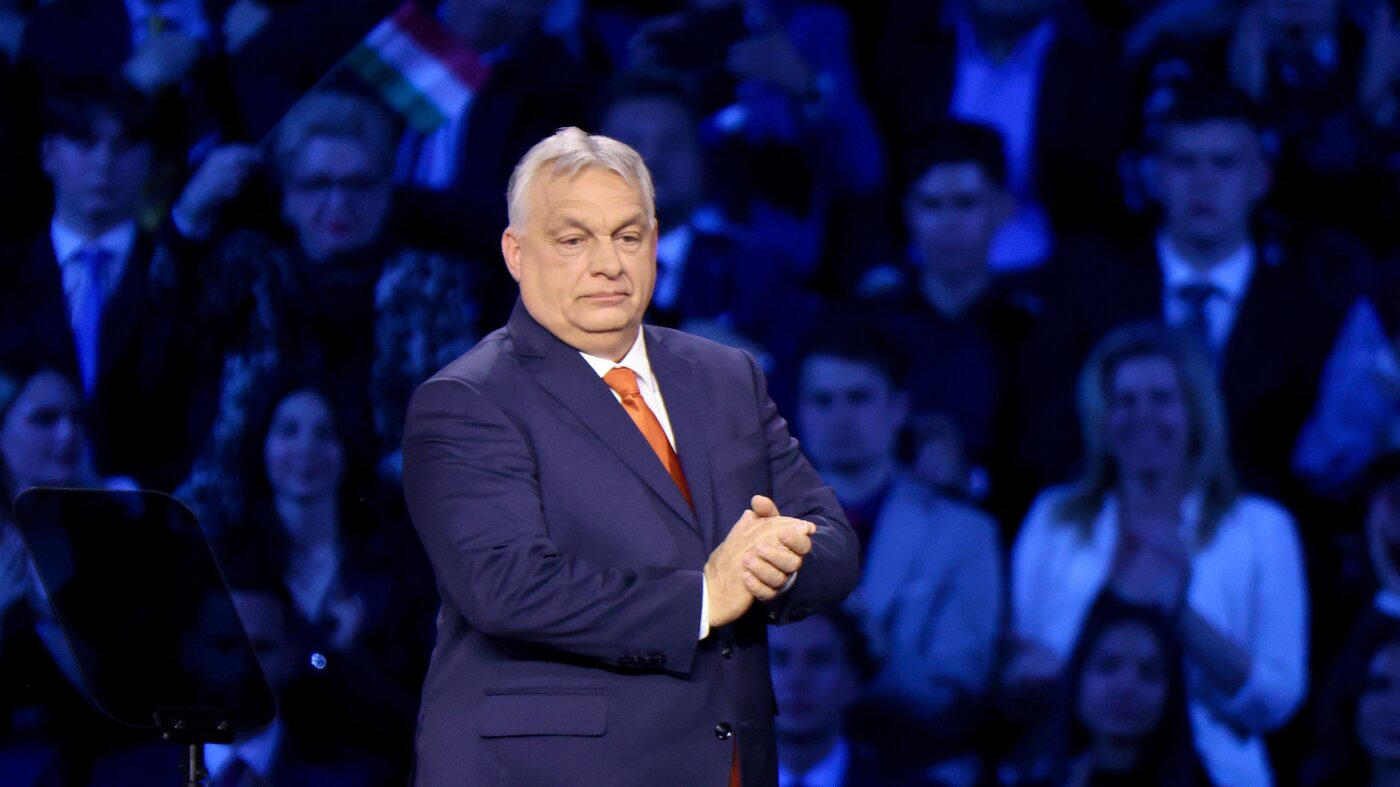
Hungary’s Political Shift: Voter Turnout Reaches Historic High as Opposition Gains Momentum
In a notable display of civic engagement, Hungarian citizens participated in the nation’s elections in record numbers, reminiscent of the post-communism era of the 1990s. The electoral scene witnessed a significant shift as voters moved away from Prime Minister Viktor Orbán’s Fidesz party. Exit polls suggest a potential “super-majority” win for Péter Magyar’s Tisza movement, which has campaigned vigorously against corruption and for re-aligning Hungary with the European mainstream. For a detailed background on Orbán’s political strategies, refer to this article.
In a swift response to the election results, Prime Minister Orbán congratulated his opponent, Péter Magyar, in a concession speech delivered shortly after the polls closed. While the official vote count is still ongoing, trends indicate Magyar’s Tisza movement might secure a two-thirds majority. Such a victory could empower Magyar to overturn constitutional amendments initiated by Orbán that have been criticized for undermining judicial independence and consolidating Fidesz’s influence over Hungary’s political landscape.
The implications of this election extend beyond Hungary, holding potential consequences for Europe and Ukraine. Orbán, known for his pro-Kremlin stance, has frequently been at odds with European Union counterparts, particularly concerning financial support for Ukraine amidst its ongoing conflict. Despite facing allegations of corruption and EU fund mismanagement, which he denies, Orbán’s campaign garnered international attention. Notably, U.S. Vice President JD Vance appeared publicly with him, and former President Trump expressed support through a rally phone call, aligning with Orbán’s vision of an “illiberal” democracy. To explore more on Orbán’s approach to governance, visit this analysis.
This story will be updated as more information becomes available.