Political Campaigns Embrace Social Media, But Does It Translate to Votes?
In today’s digital age, political campaigns are increasingly turning to social media influencers to reach a wider audience. Yet, the effectiveness of this strategy in converting online engagement into actual votes remains uncertain.
Democrat Tom Steyer, in his bid for California governor, spent significantly on partnerships with political influencers. Despite tapping into these networks, Steyer did not progress to the general election, highlighting the challenges of turning online popularity into electoral success. Read more.
Similarly, Republican Spencer Pratt expanded his digital influence while running for mayor of Los Angeles. He gained traction through viral videos and appearances on Joe Rogan’s podcast, yet he too fell short at the ballot box. Details here.
The strategy of leveraging viral moments and influencer support is not new. Donald Trump’s 2024 campaign notably utilized nontraditional media to engage with young voters, including interviews with popular streamers and podcasters like Joe Rogan. More insights.
Influencers as Political Catalysts
As campaigns forge ahead without Trump on the ballot, they seek to harness similar energy for the midterms. Republican strategist Eric Wilson notes, “Social media, content creators, digital media — that whole umbrella — is a blunt force object.” Yet, its effectiveness can be limited in state and local races. Learn more.
Campaigning alongside internet stars offers potential benefits, from fundraising to energizing voter turnout. However, Wilson emphasizes the need to weigh the “baggage that come with that person” against potential gains.
Hasan Piker and the Democratic Debate
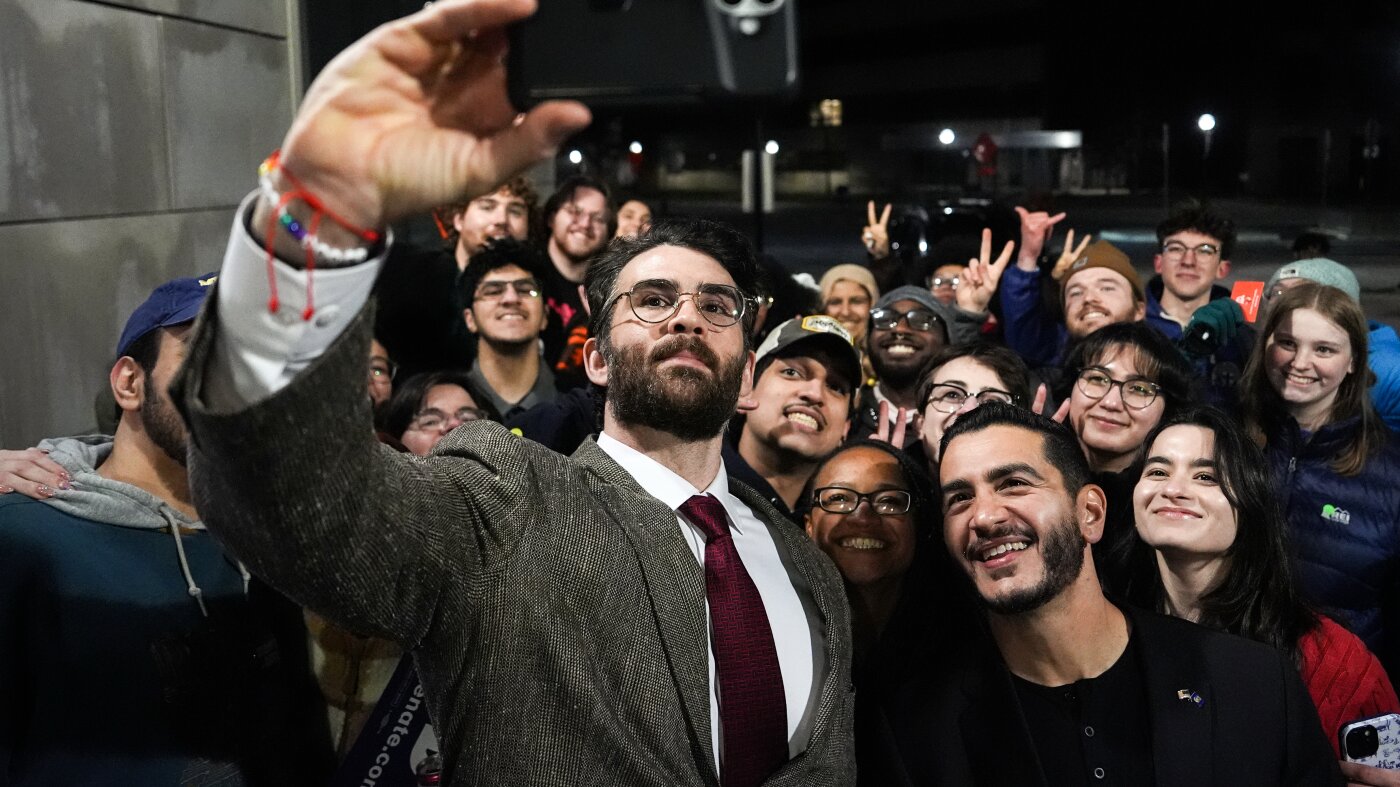
Within the Democratic Party, a debate unfolds over associating with streamer Hasan Piker. Despite his vast following and influence, Piker’s controversial statements pose a challenge. Democrat Abdul El-Sayed, running for U.S. Senate in Michigan, believes engaging with Piker can reconnect with younger voters. “We cannot be shunning certain media platforms because in effect, we’re shunning the people who pay attention to them,” El-Sayed argued.
Piker’s involvement has shown to boost campaign engagement, as seen with El-Sayed’s campaign, which witnessed increased volunteer sign-ups and fundraising following Piker’s endorsement. However, Piker’s track record is mixed, with some candidates he supported failing to advance, notably in California. Further reading.
Challenges and Opportunities
Reaching young voters and reinvigorating the Democratic base presents distinct challenges. As Republicans grow their network of MAGA influencers, Democrats explore building left-leaning influencer networks. Efforts in places like Houston aim to mobilize young Latino voters, while South Carolina’s Democratic Party invites creators to enhance local engagement. Explore more.
Ultimately, a strong digital presence alone cannot guarantee electoral success. As content creator Sriha Srinivasan points out, addressing pressing issues like the cost of living crisis is crucial. “Social media is good…but that means nothing if you are not actually addressing the issues that are affecting real Americans today,” she remarked.