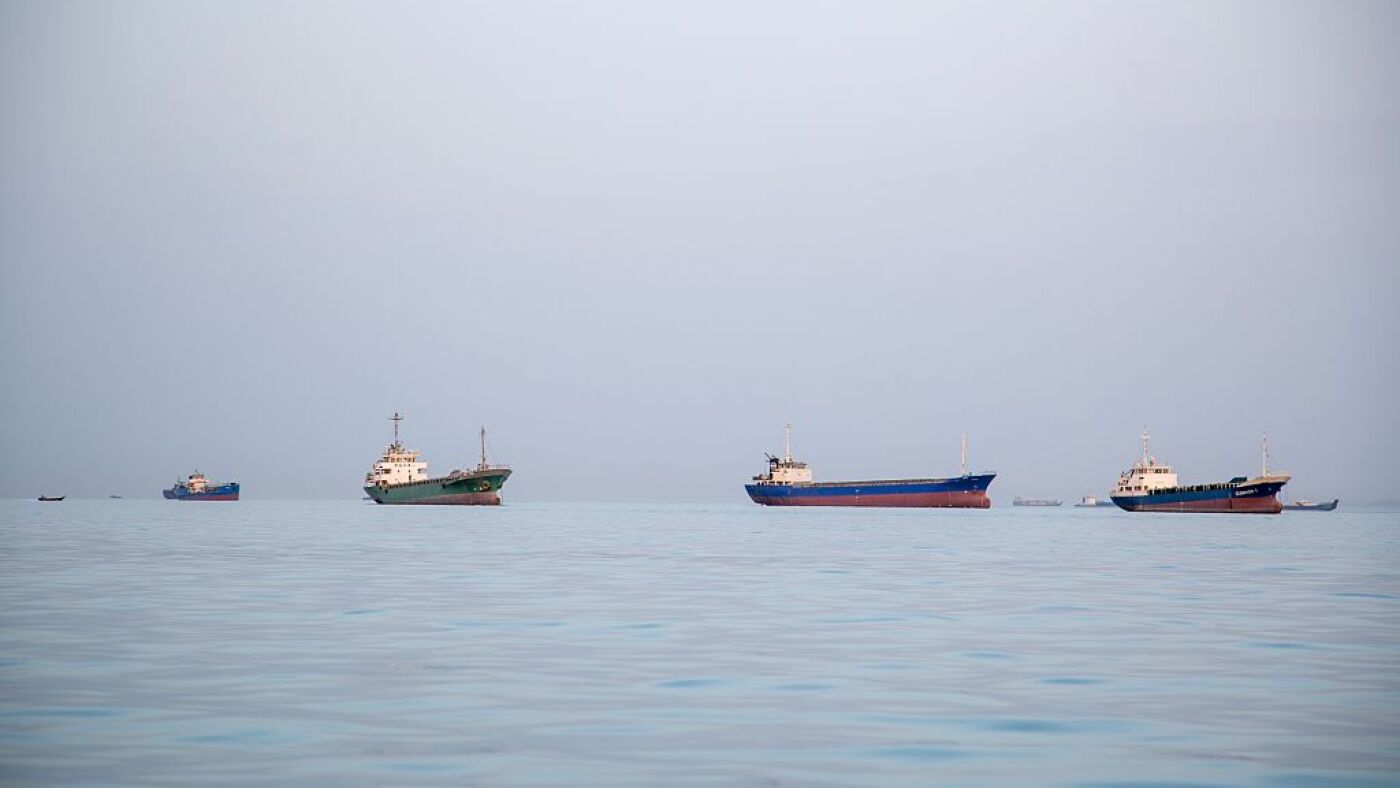
A tense standoff in the Middle East has escalated, with the U.S. and Iran at the center of recent maritime disputes. As tensions rise, the international community closely watches the developments in the Strait of Hormuz, a vital artery for the world’s energy supply.
On Thursday, the U.S. military announced the seizure of another tanker carrying Iranian oil in the Indian Ocean, following Iran’s commandeering of two commercial vessels in the Strait of Hormuz. The U.S. response came as President Trump declared via social media that the Navy had orders to “shoot and kill any boat” attempting to lay mines in the strategic waterway. Additionally, the U.S. has increased its minesweeping efforts in the region.
This development follows Trump’s decision to indefinitely extend a ceasefire with Iran, a move made just before the truce was set to expire. Explaining his decision to Fox News, Trump stated there was “no time pressure” on either the truce or future talks to resolve the ongoing conflict.
However, Iran has rejected the ceasefire extension as ineffective, citing the continued U.S. naval blockade on Iranian ports as a breach of the agreement. They have stated they will not return to negotiations unless the blockade is lifted. Meanwhile, U.S. Central Command reported directing 31 vessels to reroute since the blockade’s imposition earlier this month. More details can be found in their official announcement.
As the impasse threatens the stability of the global oil market, Brent crude prices surged above $100 per barrel on Thursday. The Strait of Hormuz remains a critical chokepoint, with approximately 20% of the world’s crude oil and natural gas flowing through it.
In a related incident, Iran reportedly attacked three commercial ships in the narrow strait, seizing two of them, further asserting its influence over this crucial maritime corridor.
Amid these regional tensions, Lebanon is working to extend its U.S.-brokered ceasefire with Israel during a second round of talks scheduled in Washington. This comes after Israeli airstrikes in southern Lebanon resulted in the deaths of at least five people, including a Lebanese journalist. The Israeli government’s actions have drawn criticism from Lebanon’s Prime Minister, Nawaf Salam, who accused Israel of targeting journalists. “Israel’s targeting of media workers in the south while they carry out their professional duties is no longer isolated incidents,” Salam stated in a social media post, condemning the attacks that contravene international laws and conventions.
As the Middle East grapples with these escalating tensions, the Pentagon faces its own shakeup. U.S. Navy Secretary John Phelan was dismissed on Wednesday amid ongoing conflicts with senior Pentagon officials, including Defense Secretary Pete Hegseth. The Pentagon announced that Undersecretary Hung Cao would temporarily assume the role of acting Navy secretary.
Senator Jack Reed (D-RI), chairman of the Senate Armed Services Committee, criticized Phelan’s dismissal as indicative of the “instability and dysfunction” characterizing the Department of Defense under the current administration.
Phelan, a businessman lacking naval experience, managed the Navy’s budget and personnel but was not involved in daily operations in the Middle East. His departure marks the latest in a series of over 30 officials who have exited the Pentagon since Secretary Hegseth took charge, many of whom were generals and admirals.
Contributions to this report were made by Jane Arraf in Amman, Jordan, Kat Lonsdorf and Jawad Rizkallah in Beirut, Lebanon, Rebecca Rosman in London, and Greg Myre in Washington.