A Court Orders Preservation of Signal Messages Among Top U.S. Officials
A recent legal development has emphasized the importance of electronic communication in maintaining government transparency. In Washington, D.C., a federal judge issued a preliminary injunction demanding that key national security officials notify the acting U.S. archivist of any Signal messages that might be deleted. However, the court stopped short of requiring the government to retrieve any messages that may already be lost.
The case was initiated by American Oversight, a nonprofit watchdog, following an incident where journalist Jeffrey Goldberg was inadvertently added to a Signal group chat. This chat included discussions among Trump administration officials about a military operation targeting Houthi rebels in Yemen. The nonprofit argues that using Signal, which allows for auto-deleting messages, contravenes federal records laws.
Judge James Boasberg, in his ruling, acknowledged that American Oversight failed to demonstrate that the agencies’ recordkeeping practices were inadequate or that the court could restore already-deleted messages. “Plaintiff has provided no reason to believe that ordering the Attorney General to use her ‘coercive power’ to ‘shak[e] the tree harder’… would bear any fruit with respect to already-deleted messages,” Boasberg stated.
Despite this, the judge partially sided with the nonprofit regarding messages yet to be deleted. He noted, “Because the looming erasure of automatically deleting Signal messages qualifies as such an imminent destruction of records… it remains possible for the Court to provide relief.”
Chioma Chukwu, American Oversight’s executive director, remarked, “We expect immediate compliance — and if they drag their feet or fail to act, we are fully prepared to pursue further legal action to ensure government records, which belong to the public, are preserved and protected.”
Concerns Over Classified Information
The Signal chat incident, reported by Goldberg, raised alarms among military and intelligence experts and prompted a Pentagon inspector general review. Concerns have been voiced by members of the Senate Armed Services Committee regarding the potential sharing of classified information.
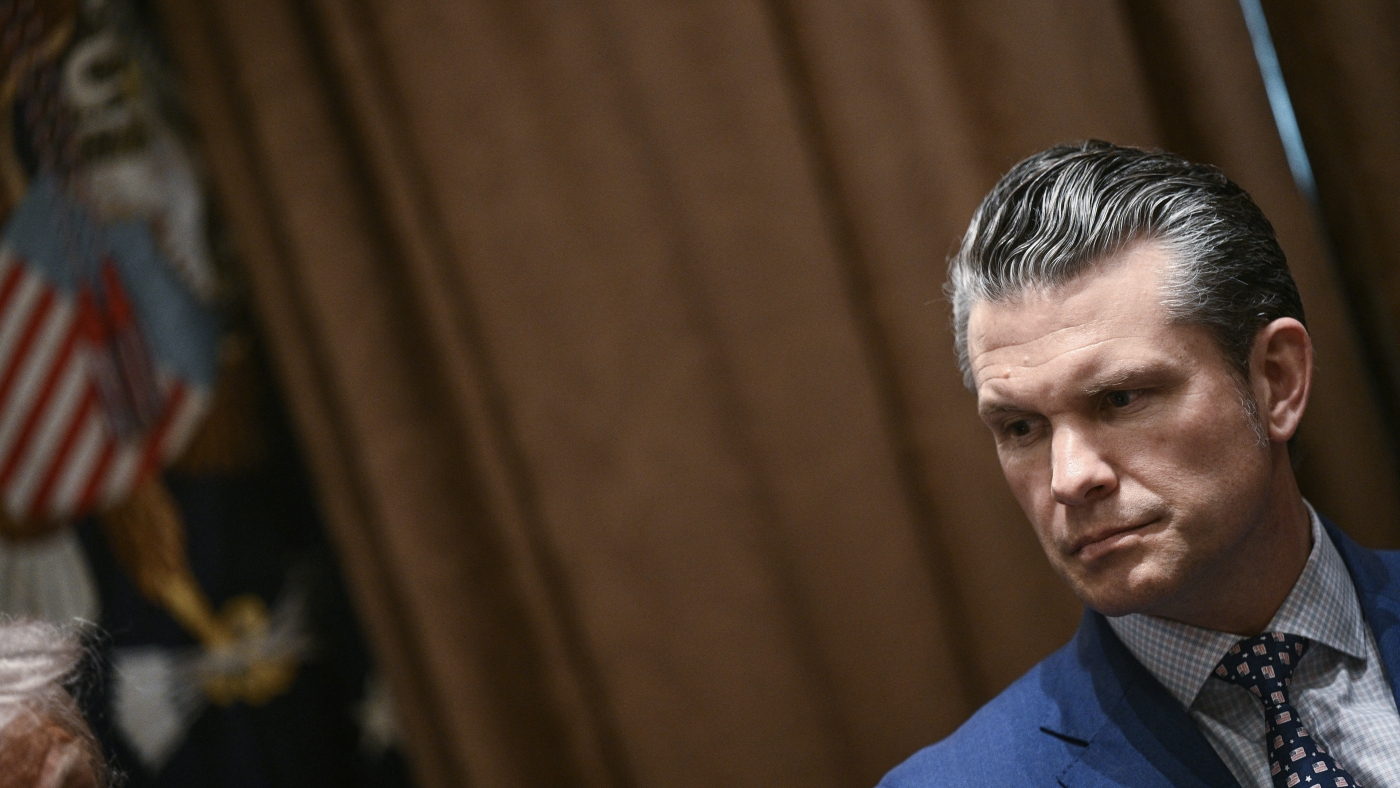
Goldberg’s report highlighted exchanges where Defense Secretary Pete Hegseth allegedly shared sensitive details about military operations. Both Hegseth and the White House have denied any classified information was disclosed, with White House press secretary Karoline Leavitt asserting, “There have been steps made to ensure that something like that can obviously never happen again, and we’re moving forward” (source).
Further controversy emerged when the New York Times reported Hegseth shared attack details in another Signal chat with family members. American Oversight has criticized the widespread use of Signal by officials, emphasizing the lack of mechanisms to preserve federal records (source).
Accusations Against Officials
The lawsuit accuses officials of breaching the Federal Records Act, which governs the preservation of federal records, by using an unauthorized platform for official communications (source). American Oversight claims these officials did not preserve their messages, noting the auto-delete feature was active for many involved.
Initially, Judge Boasberg ordered the preservation of any relevant records from March 11 to March 15 (source). While defendants claim compliance, American Oversight remains skeptical about what was actually saved, alleging that CIA Director John Ratcliffe may not have adhered to the court’s order (source).
Judge Boasberg’s opinion suggests doubt about American Oversight’s arguments, noting that officials appeared to preserve undeleted messages as per agency policies. “Plaintiff’s claim that the agencies’ formal recordkeeping programs violate the FRA is unlikely to succeed,” he concluded.
NPR disclosure: Katherine Maher, the CEO of NPR, chairs the board of the Signal Foundation.