The Evolving Dynamics of U.S. Foreign Policy: Iran and Global Tariffs
Amidst ongoing international tensions, President Trump’s strategies regarding Iran and global trade continue to evolve, reflecting a dynamic approach to addressing these complex geopolitical issues.
Shifting Objectives in the Iran Conflict
President Trump’s administration has seen a series of changes in its objectives concerning the conflict with Iran. Initially, the focus was on curbing Iran’s nuclear capabilities. However, recent developments suggest a broader agenda that includes addressing Iran’s regional influence and its involvement in proxy wars. This shift is indicative of an increasingly multifaceted strategy aimed at not only nuclear disarmament but also at regional stabilization.
Global Tariff Initiatives
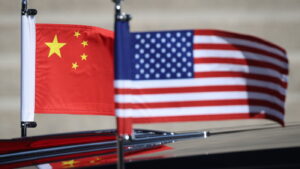
In the realm of international trade, President Trump has persistently pursued a policy of imposing tariffs on numerous countries. This move is part of a broader strategy to protect American industries and reduce trade deficits. Despite facing significant opposition from both domestic and international stakeholders, the administration remains committed to using tariffs as a tool for negotiating better trade deals. These efforts underscore the administration’s focus on reshaping global trade norms in favor of U.S. economic interests.
International and Domestic Reactions
The U.S.’s approach to both Iran and global tariffs has elicited varied reactions across the globe. Allies have expressed concerns over the potential for increased instability in the Middle East, while some countries targeted by the tariffs have retaliated with their own trade measures. On the domestic front, opinions are divided, with some industry leaders supporting the protective measures and others warning of potential negative impacts on the economy.
For more information on these developments, visit NPR.