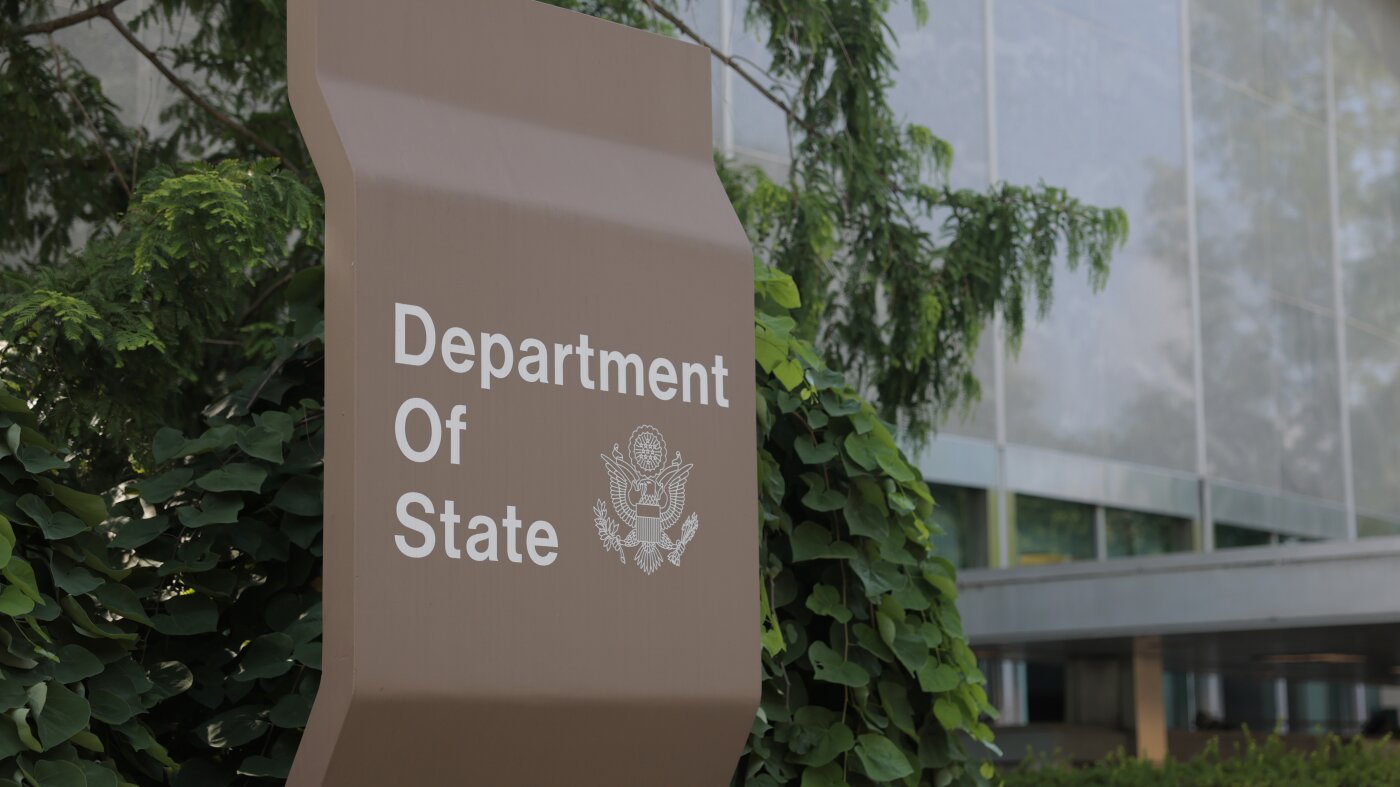
State Department Erases Pre-Trump Social Media Posts, Sparks Concerns Over Transparency
In a move raising questions about transparency and accessibility, the U.S. State Department will archive and remove public access to its social media posts made before January 20, 2025, when President Trump resumed office. These posts will still exist internally, but the public will need to submit Freedom of Information Act requests to view them, a deviation from typical U.S. government archival practices.
The Trump administration’s decision follows a pattern of removing or altering information conflicting with the president’s views from various government websites. This includes data related to environmental issues, health data, and diversity references.
The State Department’s directive affects all active official X accounts, including those for U.S. embassies, ambassadors, and department bureaus. The order, however, does not apply to already archived accounts such as @SecPompeo, used by former Secretary of State Mike Pompeo.
According to an unnamed State Department spokesperson, the initiative aims “to limit confusion on U.S government policy and to speak with one voice.” Yet, the removal could hamper efforts to track the historical record of government communications. Shannon McGregor, a social media and politics expert from the University of North Carolina, noted that these changes, while preserving history internally, create barriers to information access.
Former senior foreign service officer Orna Blum expressed concerns about the impact on public records. “These posts to be removed are not just press statements. They include our embassies’ July 4 livestreams, photos of COVID vaccine donations to other nations, holiday greetings, condolences, cultural programming, and the day-to-day record of diplomacy,” she wrote on LinkedIn. Blum highlighted that such removals hinder searchable public access, with the Freedom of Information Act providing limited, often redacted, alternatives.
The White House has also been involved in revising historical narratives, such as the January 6, 2021, Capitol attack, and altering coronavirus resource sites to emphasize the Lab Leak theory as the true origin of COVID-19.
Meanwhile, other federal agencies have been noted for posting content containing white supremacist rhetoric, amplifying the administration’s focus on social media as a tool for governance. This approach has sparked debates over the role and ethics of digital content in policymaking.
Adding to the backdrop of these changes, the CIA has unexpectedly removed its World Factbook, a trusted source of global information, without providing detailed reasons. This removal reflects a broader trend of information control and raises further concerns about access to government data.
As the debate over transparency continues, comparisons have been drawn with New York Mayor Zohran Mamdani’s recent decision to delete posts by his predecessor. However, unlike the State Department’s approach, the city maintains a public archive for the deleted content, highlighting different strategies in handling governmental digital records.