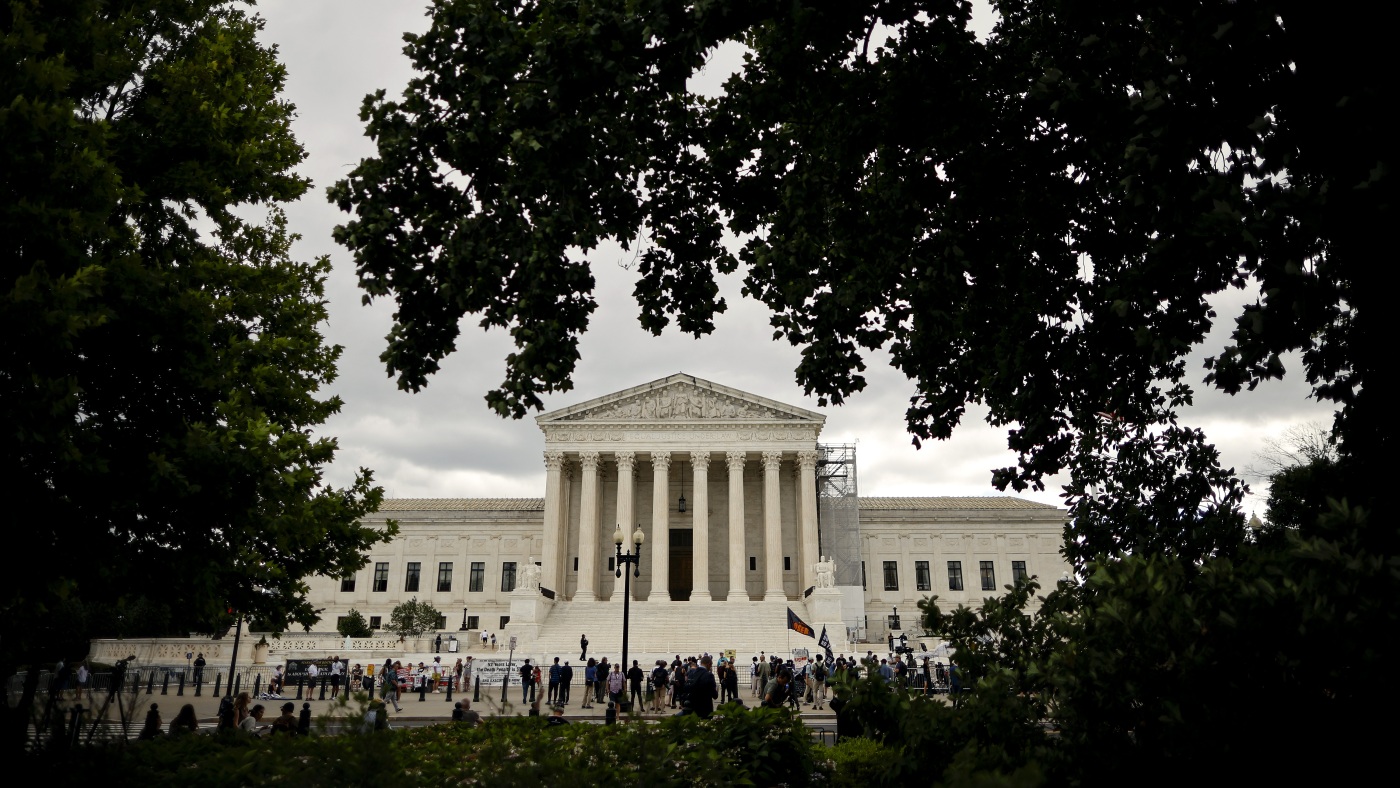
Supreme Court Wraps Up Term with Key Decisions Favoring Trump Administration
In a significant week for the U.S. Supreme Court, the justices delivered several pivotal rulings that align with the Trump administration’s perspectives. These decisions, made public in the final week of the term, reflect ideological divides within the court and provide clarity on various contentious issues.
The Supreme Court, in a landmark 6-3 ruling, supported the Trump administration’s stance on limiting universal injunctions from federal courts. This decision, pivotal in the ongoing birthright citizenship case, restricts broad judicial orders but temporarily halts President Trump’s related executive order for 30 days. “Universal injunctions likely exceed the equitable authority that Congress has given to federal courts,” stated the conservative justices.
For more insights and details, you can read the full decision here and explore our comprehensive coverage.
Another decision addressed educational content in schools, where the court ruled that parents should have the option to excuse their children from classes that conflict with their religious beliefs. This 6-3 vote raises questions for school administrators on how to handle opt-out requests concerning topics like LGBTQ inclusion and evolutionary theory.
Further information can be found by reading the full decision and our detailed report.
In a decision impacting healthcare, the court upheld a critical element of the Affordable Care Act, ensuring the continuation of free preventive services for approximately 150 million Americans. This ruling was backed by Chief Justice John Roberts and Justices Barrett and Kavanaugh, alongside the court’s liberal members.
For the complete ruling, visit this link, and for more context, refer to our full story.
The court also upheld a Texas law mandating age verification for access to sexually explicit websites. This 6-3 decision, which aims to protect minors, was challenged by free-speech advocates claiming it unnecessarily restricts adult access to constitutionally protected content.
Dive deeper by reading the full decision and our full report.
In support of underserved communities, the Supreme Court validated a program that subsidizes internet and phone services. This decision, contested by conservative groups, confirms the Federal Communications Commission’s authority to manage the Universal Service Fund.
Access the full ruling here, and read our detailed analysis.
Lastly, the court will revisit Louisiana’s congressional redistricting plan, focusing on the legality of creating a Black-majority district. A lawsuit claims this constitutes racial gerrymandering, prompting further review in the next term.
Planned Parenthood faced a setback as the court allowed South Carolina to restrict its access to Medicaid funds for non-abortion services, highlighting the state’s authority to disqualify providers under specific conditions.
Explore the full text of the ruling here and read our comprehensive coverage.