Supreme Court Challenges Presidential Tariff Authority
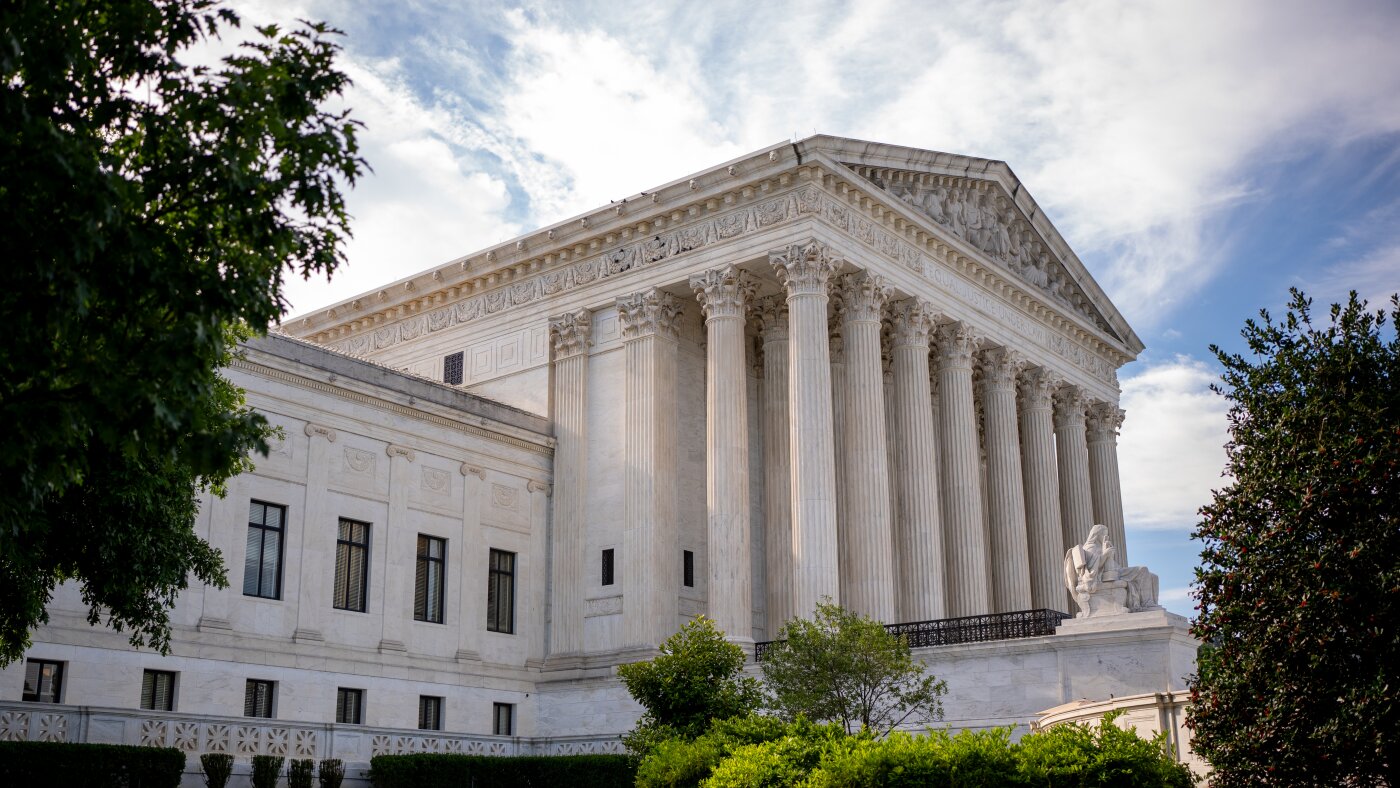
The U.S. Supreme Court has issued a significant ruling against former President Trump’s strategic tariff policies, declaring them unconstitutional under the International Emergency Economic Powers Act (IEEPA). This decision represents a substantial defeat for one of Trump’s most notable economic initiatives.
Chief Justice John Roberts delivered the majority opinion in a 6-3 decision. The dissenting justices were Clarence Thomas, Samuel Alito, and Brett Kavanaugh.
Central to the case was President Trump’s implementation of his campaign promise to levy extensive tariffs on foreign imports. Shortly after taking office, Trump enacted an executive order imposing a minimum 10% tariff on goods from most countries trading with the U.S. China faced tariffs as high as 145%, though these have been reduced over time. Meanwhile, imports from allies such as Canada and Mexico were subjected to a 25% tariff, with Canada’s rate eventually rising to 35%.
The unpredictable nature of these tariffs caused concern among U.S. businesses, leading to a legal challenge. Critics argued that the president had overstepped his authority in setting these tariffs.
Historically, the Supreme Court has often supported Trump’s assertions of presidential power, primarily through its emergency docket, which allowed the policies to be temporarily implemented as legal proceedings continued. However, the tariff cases marked a departure from this trend, as the court conducted full briefings and expedited arguments, marking the first substantial opportunity to oppose the president’s actions.
On Friday, the Supreme Court exercised this opportunity by ruling against the tariffs.
This story is ongoing and will be updated with new developments.