U.S. Deportation Flights to El Salvador Spark Legal Controversy
In a significant legal battle, government attorneys are set to return to court to discuss President Trump’s invocation of the Alien Enemies Act, which has led to deportations that have stirred controversy. The issue has intensified debates between the judiciary and executive branches, showcasing the complexity of immigration and national security policies.

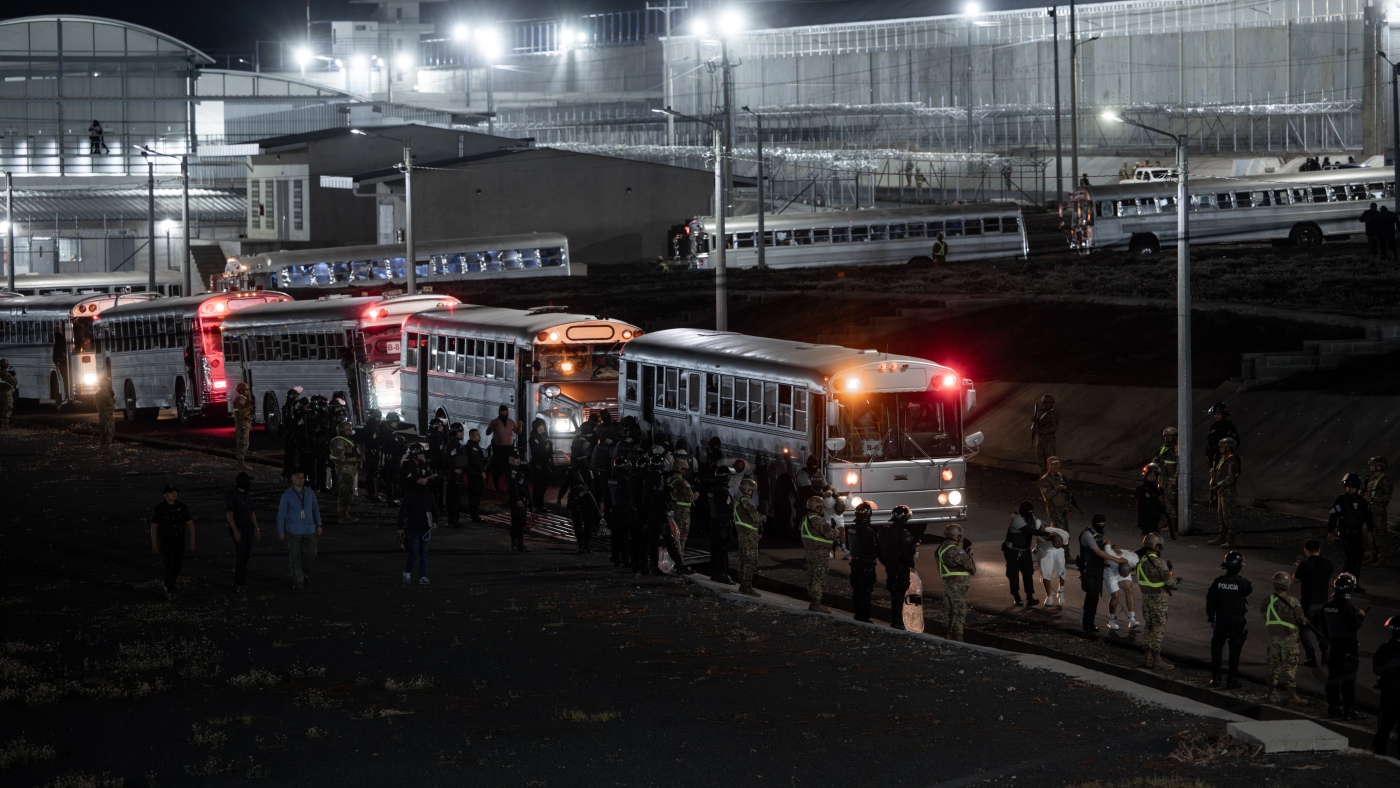
Image Credit: El Salvador Presidency/Handout
President Trump recently cited the Alien Enemies Act to target members of Tren de Aragua, a Venezuelan gang he claims is infiltrating the United States. This decision led to the deportation of more than 250 individuals to El Salvador, despite a court order from Judge James Boasberg, who had halted immediate deportations.
The court’s restraining order came as a response to legal action by immigrant rights groups. However, the flights proceeded, leading to a contentious legal standoff. Judge Boasberg questioned the legality of the deportations, while the Justice Department argued that his inquiries into national security matters were an overreach.
Judicial and Executive Branches at Odds
The dispute has placed the judiciary and the White House at loggerheads. Some Republican figures have criticized Boasberg, accusing him of exceeding his authority. Meanwhile, the administration has been reticent in providing full details about the deportation flights.
In a recent court filing, Boasberg described the government’s responses as “woefully insufficient.” The Justice Department, on the other hand, has labeled the court’s demands as inappropriate, considering the sensitive nature of the information involved.
Details of the Deportation Flights
White House press secretary Karoline Leavitt provided specifics on the deported individuals: 137 were sent back under the Alien Enemies Act, 101 were deported through standard procedures, and 23 were identified as MS-13 gang members. The precise allocation of individuals across the flights remains unclear.
The Justice Department has been cautious in revealing details, hinting at the potential invocation of the state secrets privilege to withhold information that could jeopardize national security.
Trump’s Criticism of Judicial Interference
President Trump has openly criticized Judge Boasberg, labeling him a “radical left” judge. In an interview and on Truth Social, Trump suggested that such judicial actions were hindering his immigration policy, calling for the impeachment of judges he sees as obstructive.
White House Deputy Chief of Staff Stephen Miller echoed Trump’s sentiments, emphasizing the need for checks on judicial power in matters of national security.
The legal confrontation over these deportations underscores the ongoing tension between enforcing immigration laws and respecting judicial oversight, a debate that continues to shape U.S. policy.