High-Stakes Diplomacy Between U.S. and Iran Ends Without a Deal
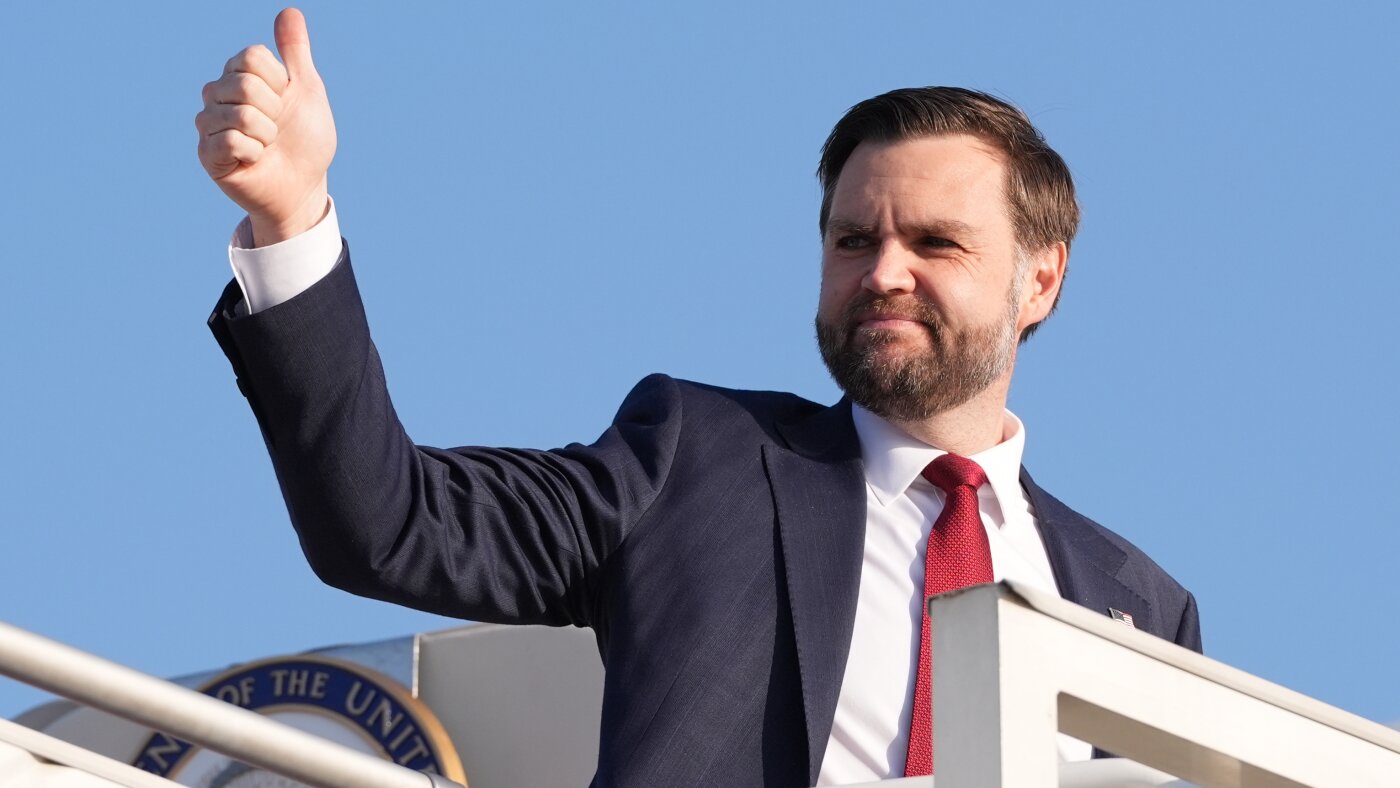
In a new chapter of international diplomacy, the much-anticipated peace talks between the United States and Iran concluded without reaching a consensus. This outcome, announced by U.S. Vice President J.D. Vance, has left many speculating about the future of relations between the two nations and the broader Middle East.
The face-to-face discussions held in Islamabad saw no agreement, with Vance stating, “The bad news is that we have not reached an agreement. And I think that’s bad news for Iran much more than it’s bad news for the U.S…. they have chosen not to accept our terms.” His remarks were made during a press conference before departing Pakistan.
The critical point of divergence, according to Vance, was Iran’s reluctance to commit to not pursuing a nuclear weapon, a position the U.S. considers pivotal. Iran, on the other hand, maintained that its nuclear ambitions are strictly civilian, with rights to uranium enrichment defended vigorously.
Despite the breakdown, the Iranian government reported some progress, noting “an understanding on a number of issues,” though no formal agreement was reached. This leaves the two-week ceasefire’s future uncertain, although Vance hinted at a potential path forward, describing a “very simple proposal” as a final offer.
Pakistan, hosting the talks and playing a mediator role, reiterated its commitment to peace efforts. Foreign Minister Ishaq Dar urged both countries to maintain the ceasefire despite the lack of a deal.
The talks, which marked the first direct interaction between the U.S. and Iran since significant diplomatic engagements ended in 2015, lasted 21 hours. They represented the highest-level discussions since the 1979 Islamic Revolution, occurring amid escalating tensions following the recent U.S.-Israel attack that resulted in the death of Iran’s Supreme Leader.
Lingering Silence from Trump
President Trump has yet to publicly address the failed talks, choosing instead to focus on other matters via his Truth Social platform. However, he previously remarked that the U.S. would “win, regardless” of the talks’ outcome, positing a firm stance against Iran.
Iran’s Perspective and Demands
Iranian Foreign Ministry spokesperson Esmaeil Baqaei outlined the key topics of the negotiations, including the Strait of Hormuz, nuclear issues, sanctions, and reparations. He criticized the U.S. for “excessive demands,” emphasizing Iran’s stance on controlling the Strait of Hormuz as a non-negotiable point.
The Iranian delegation’s demands included ending Israeli attacks on Hezbollah, the release of $6 billion in frozen assets, and assurances regarding their nuclear program. Despite the inconclusive outcome, the meeting’s optics were poignant, given recent hostilities.
Continued Conflict in the Region
Amidst these diplomatic efforts, the conflict between Israel and Hezbollah continues unabated. Israel has launched over 200 attacks on Hezbollah targets, while Hezbollah persists with rocket and artillery strikes. Efforts towards a ceasefire are ongoing, with the Israeli and Lebanese ambassadors scheduled for a meeting at the State Department.
Prime Minister Benjamin Netanyahu claimed significant achievements against Iran and Hezbollah, aiming to disarm the latter and reach a peace agreement with Lebanon.
U.S. Naval Movements and Regional Tensions
Coinciding with the talks, two U.S. Navy guided-missile destroyers navigated the Strait of Hormuz, marking a significant military maneuver since the conflict began six weeks ago. U.S. Central Command (CENTCOM) announced operations to clear Iranian sea mines, promoting the “free flow of commerce.”
Contributions to this report were made by Betsy Joles in Islamabad, D Parvaz in Van, Turkey, Daniel Estrin in Tel Aviv, and Kate Bartlett in Johannesburg.