U.S. Implements New Tariffs Targeting Forced Labor Practices Amid Trade Policy Shift
In a significant move impacting international trade, the United States has introduced new tariffs aimed at countries failing to enforce bans on goods produced by forced labor. This development comes as previous temporary tariffs are set to expire.
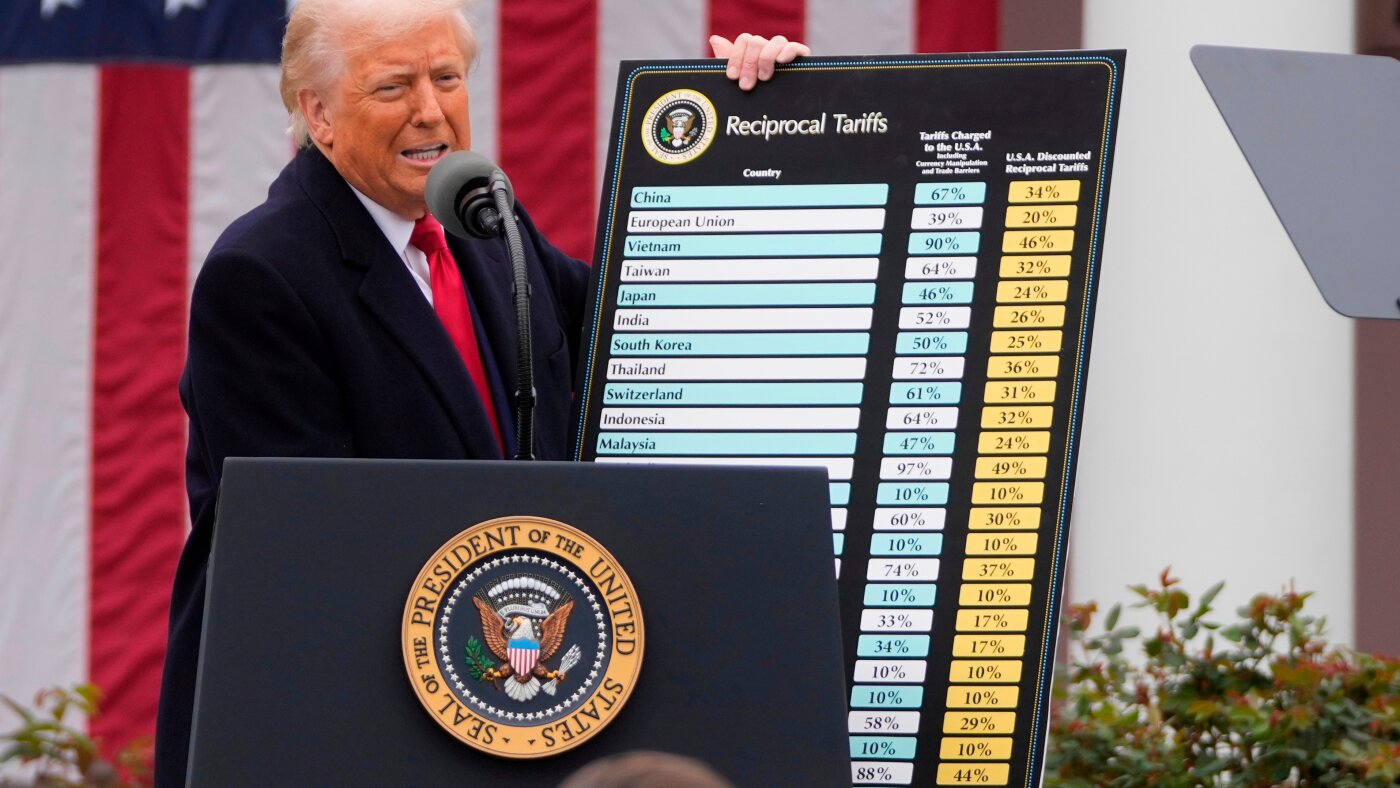
President Donald Trump has announced the imposition of tariffs ranging from 10% to 12.5% on imports from 60 countries. These nations represent 99% of U.S. imports, and the tariffs are a response to what the U.S. views as insufficient enforcement of forced labor bans by its trading partners.
“The United States has had a forced labor import ban for nearly a century, and rigorously enforces it; it’s well past time for our trading partners to do the same,” stated U.S. Trade Representative Jamieson Greer. “Today’s action will begin to correct what is both a human rights abuse and a distortive trade practice to improve the welfare of workers everywhere.”
The new tariffs coincide with the expiration of 10% temporary tariffs, which were initially put in place after the Supreme Court invalidated Trump’s previous tariff strategy. These measures are enacted under Section 301 of the Trade Act of 1974, allowing the president to impose import taxes on countries engaged in “unjustifiable,” “unreasonable,” or “discriminatory” practices.
The administration is also investigating whether 16 countries, responsible for 70% of U.S. imports, have overproduced goods, thereby harming U.S. businesses by driving down prices. More tariffs might follow based on the outcome of this investigation.
Last year, Trump overturned longstanding U.S. policy favoring lower tariffs by using the 1977 International Emergency Economic Powers Act (IEEPA) to impose high tariffs globally. However, the Supreme Court’s decision necessitated refunds to importers who had paid these tariffs.
The administration’s current strategy under Section 301 follows a temporary 10% worldwide tariff imposition under Section 122 of the Trade Act, which is limited to 150 days and expires on Friday.
Countries that have tightened their forced labor enforcement since the initial proposal of the tariffs may receive reduced rates. For instance, India’s tariff rate was lowered from 12.5% to 10% after adjustments in their enforcement policies.
Exemptions to the new tariffs include products like oil, gas, and fertilizers, as well as goods qualifying for duty-free status under the US-Mexico-Canada Agreement.
While tariffs are paid by U.S. importers, who often pass costs to consumers, the move poses political risks amid existing economic concerns as midterm elections approach.
Advocates for human rights question the motivations behind the tariffs but acknowledge their potential to address forced labor issues. With an estimated 27.6 million people involved in forced labor worldwide, as reported by the International Labor Organization, the tariffs could serve as a tool against this practice.
“We’ve gone on record for years now advocating for import bans, not as a magic bullet, it’s not a silver bullet, but as a potentially effective tool in combating forced labor across the globe,” noted Martina Vandenberg, founder of The Human Trafficking Legal Center.
However, Vandenberg stresses the need for a phased implementation to allow countries time to establish meaningful enforcement mechanisms.
The Uyghur Forced Labor Prevention Act of 2021, prohibiting certain imports from China’s Xinjiang region, is mentioned as a key precedent in U.S. forced labor policy.
Kenya Davis, a partner at Boies Schiller Flexner, highlighted the importance of transparency in the enforcement of these tariffs and suggested comprehensive approaches with supportive programs for countries.
Isabelle Glimcher from the NYU Stern Center for Human Rights emphasized that the tariffs’ focus on imported goods might overlook domestic production issues. Nonetheless, the tariffs have prompted countries like India to revise trade policies, and the EU is preparing to implement similar regulations next year.
“Not all of these things are necessarily or wholly attributable to the Section 301 investigations, but does seem like countries are responding and starting to take all of this seriously,” Glimcher remarked.
This article was originally written by www.npr.org