Foreign Contributions to U.S. Universities: A Closer Look at Transparency and Influence
U.S. colleges and universities received over $5 billion in foreign gifts and contracts in 2025, as reported by a new platform launched by the U.S. Education Department. This initiative, spearheaded by the Trump administration, aims to shed light on foreign influence within American educational institutions.
Prominent universities such as Carnegie Mellon, Harvard, MIT, and Stanford are among the top beneficiaries of these international funds, according to the data.
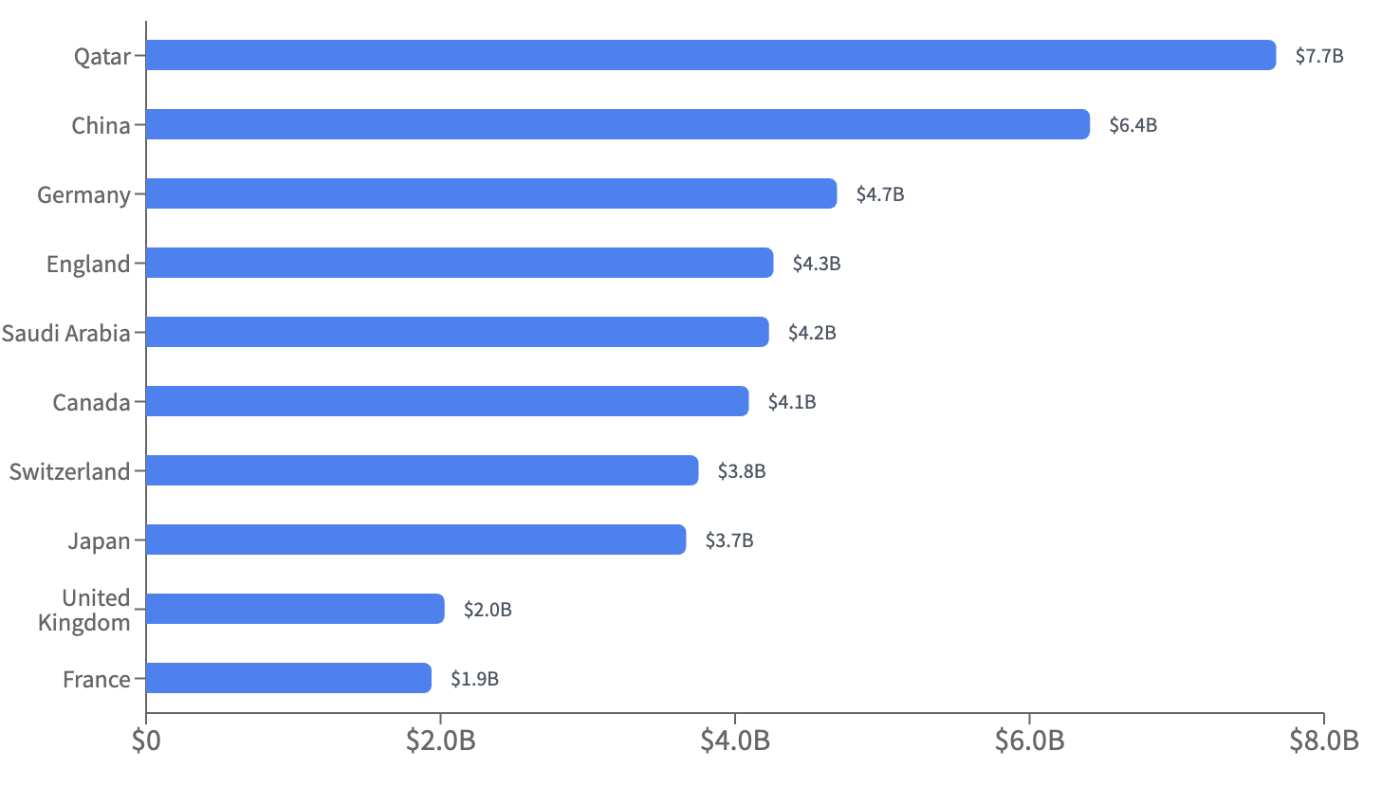
Qatar emerged as the largest contributor, providing over 20% of the total foreign funds, amounting to approximately $1.1 billion. Other significant contributors include the United Kingdom, China, Switzerland, and Japan.
In a statement, Education Secretary Linda McMahon described the data as offering “unprecedented visibility into funding” from nations perceived as threats to “America’s national security.”
Federal regulations mandate that institutions report any foreign gifts or contracts exceeding $250,000. Concerns about underreporting have prompted Republican calls for heightened transparency and reporting requirements.
Since President Trump’s second term began, investigations have targeted Harvard University and the University of California, Berkeley over alleged underreporting of foreign contributions.
Ian Oxnevad from the National Association of Scholars, a conservative advocacy group, praised the release of this information as a “step in the right direction,” emphasizing the transparency it brings to foreign contributions to U.S. universities. He highlighted that “Qatar and China are among the top countries that donate to our universities, and not our allies or neighbors.”
The new platform features data on “countries of concern,” such as China, Russia, and Iran. Harvard, NYU, and MIT are among the top recipients of funds from these nations.
Oxnevad noted the importance of understanding the financial ties between influential universities and foreign nations, especially given the role these institutions play in shaping public policy.
Universities have stated they comply with federal regulations. MIT, for instance, emphasized that “MIT research on campus, regardless of funding source, is open and publishable,” and that they adhere to all laws regarding the acceptance and reporting of such contributions.
The American Council on Education (ACE), which advocates for higher education institutions, echoed this sentiment. Sarah Spreitzer, ACE’s vice president and chief of staff, stated, “This demonstrates that our institutions are doing a good job reporting this information.”
Both Spreitzer and Oxnevad acknowledged limitations in the data, such as the lack of detailed information and the ability to track trends over time. They criticized past administrations for inadequate tracking and reporting.
Spreitzer expressed concern about the potential misinterpretation of the data without proper context, suggesting that the Trump administration might use the information to criticize higher education. “We are all for more transparency,” she said, but voiced caution over potential misuse of the data.