New Jersey School Faces Controversy Over Book Removal Amid Mental Health Crisis
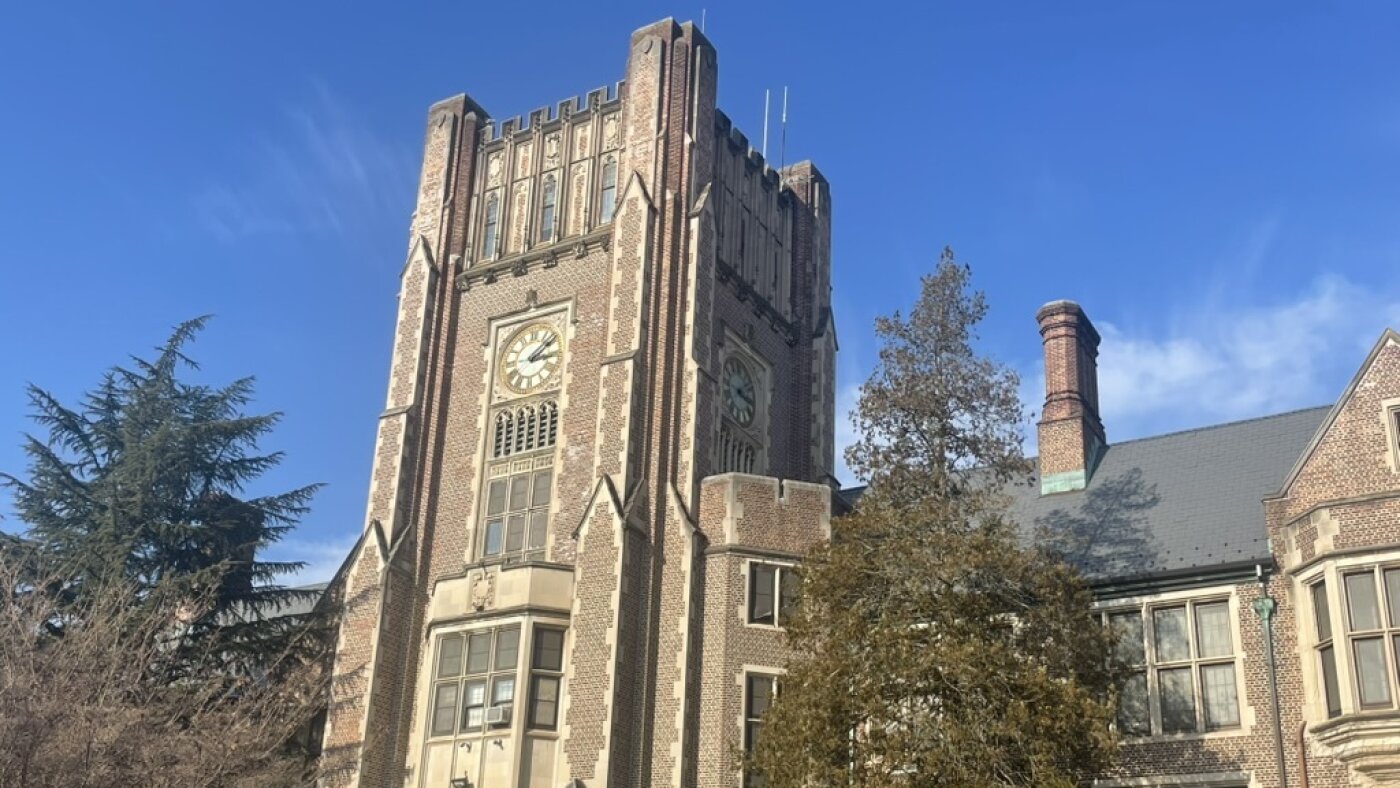
The South Orange & Maplewood community in New Jersey is grappling with significant mental health challenges. In response, the local school district has made the contentious decision to remove Junot Díaz’s novel The Brief Wondrous Life of Oscar Wao from an Advanced Placement English class at Columbia High School (CHS).
Editor’s note: This report discusses sensitive topics, including suicide.
Superintendent Jason Bing reported that at least five students from CHS have attempted suicide this year. The district’s immediate measure was to withdraw Díaz’s novel from the curriculum, prompting backlash from both parents and students. Following public outcry, the district allowed the book to be read with parental permission, though PEN America still classifies this as a “book ban.” The district also introduced opt-in mental health screenings for students.
In an interview, Bing clarified that the administration, not the parents, initiated the book’s removal. This decision was part of a broader strategy to tackle the mental health crisis affecting students. The news was initially reported by CHS student journalist Ella Levy on The Village Green.
The Broader Trend of Book Restrictions
The removal of Díaz’s novel is part of a larger trend of book restrictions in schools. According to a report by PEN America, nearly 60% of banned books are young adult titles that address mental health issues like grief, suicide, and depression. Examples include Jay Asher’s Thirteen Reasons Why and Stephen Chbosky’s The Perks of Being a Wallflower.
Educational and Cultural Impact
Teachers at CHS emphasize the educational value of Díaz’s Pulitzer Prize-winning novel, which has been part of the district’s curriculum since 2011. Lori Martling, who teaches the book, praises its exploration of cultural conflicts and mental health struggles. “There’s so much richness to this novel,” she remarked.
The district raised concerns over a suicide attempt scene in the book, deciding to remove it from the curriculum due to the current mental health climate. The decision contradicts the district’s “Right to Read” resolution, designed to protect literary freedom.
Student and Author Reactions
Student Ellie Tamir-Hoehn, currently in Martling’s class, launched a petition to reinstate the novel, gathering support from over 200 students and alumni. “Reading this book outside of class without guidance allows more freedom of exploration,” she argued.
Junot Díaz himself spoke to NPR, expressing concern over the removal, stating, “I generally resist the idea that there’s something supremely dangerous about art.” He emphasized that literature can foster connection and understanding.
While the district reversed its complete ban, allowing the book with parental consent, the debate over literary censorship in the face of mental health concerns continues.
If you or someone you know is struggling with thoughts of suicide, you can dial or text 988 for help.