Supreme Court Decision May Impact Benefits for Christian Converts in India
(Photo: Getty/iStock)
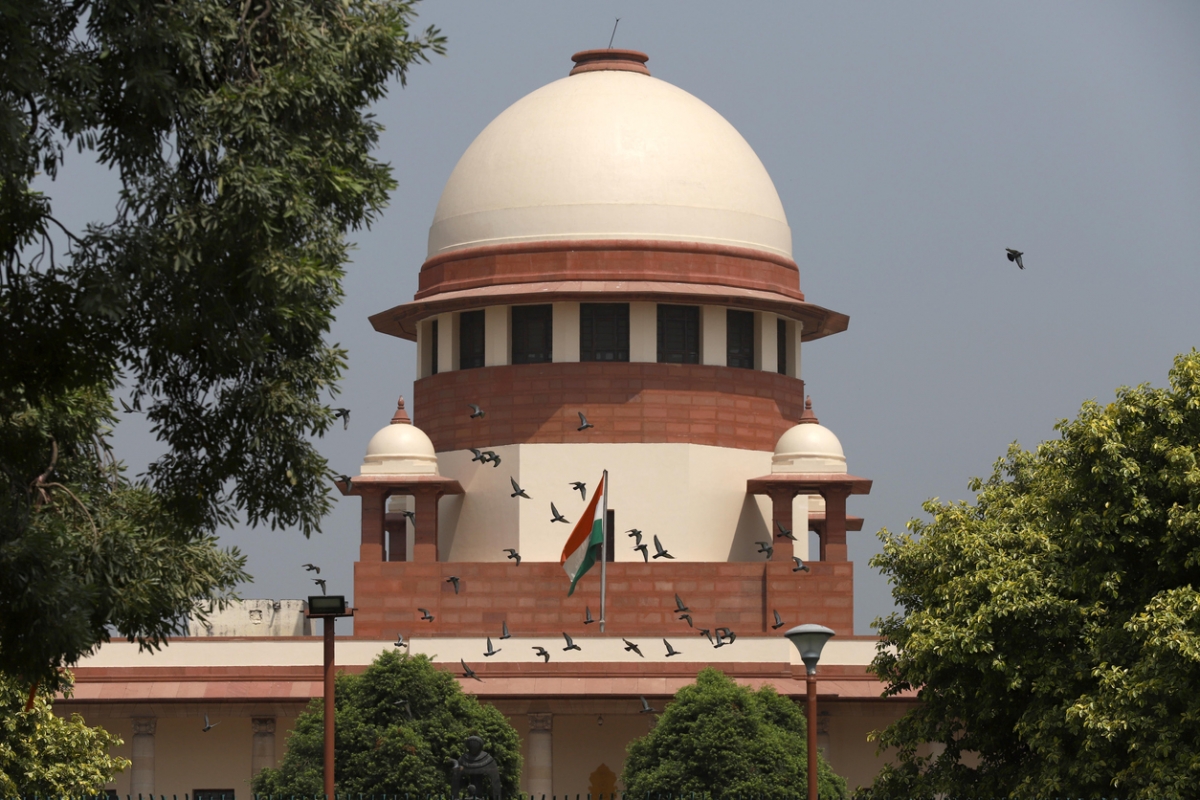
The Indian Supreme Court has recently issued a ruling that might affect the eligibility of Christian converts from the lowest castes for affirmative action and other government benefits. This decision could significantly impact Dalits, often referred to as “untouchables,” who face severe discrimination under the Hindu caste system.
Despite constitutional measures that aim to protect Dalits by reserving spots in education and public sectors, many choose to convert to religions like Christianity or Islam to escape caste-based discrimination. However, the Supreme Court’s latest judgment states that only individuals identifying as Hindus, Sikhs, or Buddhists can legally belong to a “Scheduled Caste.”
As a result, Christians who have converted from these communities might lose access to affirmative action programs. Those desiring to regain these benefits may be compelled to revert to Hinduism.
Interestingly, the court referenced the Bible in its decision, noting, “Christianity, by its very theological foundation, does not recognize or incorporate the institution of caste. The foundational Christian scripture, The New Testament, states: There is neither Jew nor Gentile, neither slave nor free, nor is there male and female, for you are all one in Christ Jesus.”
A local representative of Open Doors expressed concern, stating, “The judgment by the Supreme Court is critical – the constitution of India gives citizens the right to freedom of religion. Though the individuals are free to convert, they are limited or have no legal protection against caste discrimination.”
The representative added, “This judgment puts the Christian community in a vulnerable position and fear of more persecution, assault and hatred. Several Dalit and Tribal Christians in the past years have been victims of physical assault, social boycott, hatred and false allegations of forced conversion to Christianity.”
The decision followed an appeal by a Christian convert who reported being attacked and verbally abused with caste-related insults. Earlier, a High Court ruled that the convert could not claim caste-based protections if their religion did not acknowledge the caste system.
This article was originally written by www.christiantoday.com