
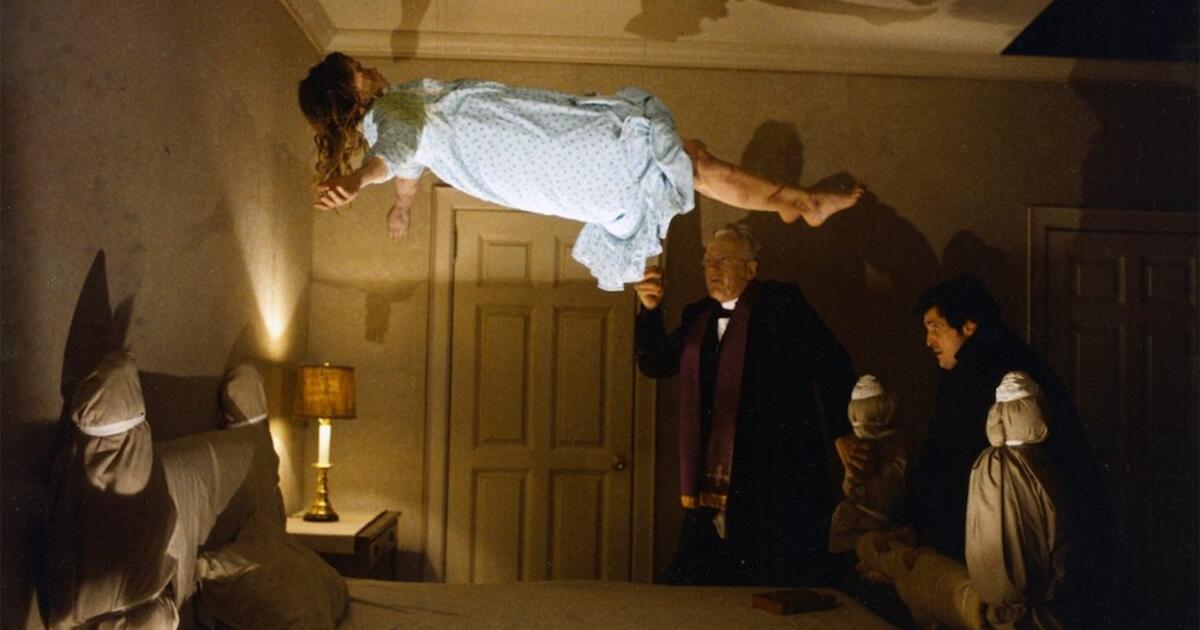
In the intersection of faith and fear, horror films emerge as a powerful medium for confronting and processing deep-seated fears and traumas. This unique genre not only entertains but also offers a safe space for individuals, particularly those with religious trauma, to explore and heal from their experiences.
Exploring Religious Trauma Through Film
The film Leviticus, directed by Adrian Chiarella, exemplifies the power of horror to tackle religious homophobia. Set in a secluded Christian town in Australia, the story unfolds around two teenagers, Naim and Ryan. Their relationship leads to a forced “deliverance healing,” which unleashes a demon manifesting as the person each desires most. This scenario mirrors real-life conversion therapy horrors, showcasing how religious extremism can haunt and harm individuals.
For many, including those who have experienced similar religious isolation, watching Leviticus can transform abstract fears into tangible experiences, making them more manageable.
A Debate on Horror and Faith
Conservative commentator Allie Beth Stuckey recently ignited debate by suggesting that Christians should avoid horror films, claiming they contradict the biblical command to “be not afraid.” Her now-deleted post sparked both support and criticism, highlighting differing views on horror within the Christian community.
However, the Bible itself contains numerous instances of horror, often accompanied by divine reassurance. Passages like Isaiah 41:10 and Psalm 56:3 acknowledge human fear, offering comfort and a reminder of God’s love. Horror films provide a similar function, enabling viewers to face fears in a controlled environment and find peace amidst turmoil.
The Role of Horror in Healing
Research supports the idea that horror can be therapeutic. Aarhus University’s Recreational Fear Lab found that horror fans exhibited greater psychological resilience during the COVID-19 pandemic. “Dark copers,” as identified by the lab, use horror to navigate anxiety and fear, benefiting from the control they have over the fictional scares.
Horror as a Channel for Rage
Horror also serves as an outlet for suppressed emotions, allowing individuals to confront inner darkness. Stephen King’s Carrie is a prime example, depicting the devastating effects of religious abuse and bullying. The narrative allows viewers to explore themes of power and justice, despite the horrific consequences.
In narratives like Carrie, viewers find a space to process and channel rage in constructive ways, recognizing the potential for violence within all of us.
Uncovering Dark Histories
Religious horror films such as The Exorcist offer a lens through which to examine the darker aspects of faith traditions. These films resonate because they reflect real-world abuses, like those perpetrated by the Catholic Church. As seen in The Exorcism of Emily Rose, horror can illuminate the consequences of mistaking mental illness for demonic possession.
By engaging with horror, viewers are invited to confront historical and personal traumas, deepening their understanding and faith. The genre encourages a dialogue on the capacities for hate and violence, urging us to face these truths with courage.
Horror films, rather than opposing religious beliefs, complement them by echoing the biblical message of “be not afraid.” This sentiment, central to events like Resurrection Sunday, reassures us in our moments of fear and confusion, offering a balance of fear and joy that horror uniquely captures.
This article was originally written by sojo.net




Comments are closed.