Escalating Tensions in Beirut: Aid Worker Describes Fear and Uncertainty
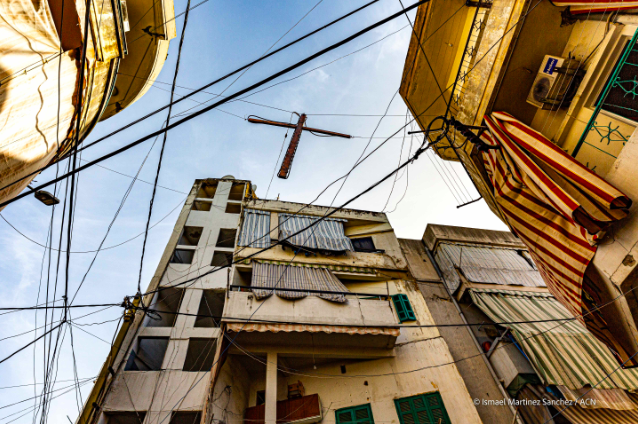
In the heart of Beirut, Lebanon, residents are grappling with a growing sense of vulnerability following a recent series of bombings. The strikes have exacerbated fears among civilians, who are already worn down by years of ongoing conflict and economic instability.
Marielle Boutros, serving as a project coordinator for Aid to the Church in Need (ACN), provides insight into the emotional toll these events have taken on the population. She reports that the latest attacks have deeply unsettled a city where people had hoped to find a semblance of safety.
The violence on April 8 saw Israeli forces launch a significant offensive on Beirut, resulting in the deaths of at least 254 individuals and injuring more than 2,000 others. Boutros describes how over 100 bombs impacted various parts of the city overnight, dismantling the perceived sanctity of homes even in previously untouched neighborhoods.
Reflecting on the chaos, Boutros stated to ACN News, “It was scary, it caused anger, it caused sadness especially when you hear a ceasefire is happening elsewhere. It was really tragic.”
This surge of hostilities followed a declaration by Israeli Prime Minister Benjamin Netanyahu, who confirmed that military actions against Hezbollah would persist despite a newly announced ceasefire between the US and Iran on April 7.
The fragile truce between Hezbollah and Israel, established in 2024, has unraveled since February 28. The Lebanese Ministry of Health has disclosed that since then, over 1,800 lives have been lost, including about 120 children, with an additional 6,000 individuals suffering injuries.
Southern Lebanon has also seen intensified confrontations, with Israeli forces clearing large swathes of villages near the border to secure the area. The Lebanese Army withdrew from Rmeich and Ein Ebel, two Christian villages now expected to be part of Israel’s buffer zone, on March 31.
Boutros expressed concern over the psychological impact on residents, detailing the anguish of confirming the safety of loved ones while many others endure loss. She remarked, “You don’t feel safe. Some of the victims were in their houses, in a secure and comforting place, and they were bombed. You have to cope with your anxiety, fears and guilt that have developed over the last few years.”
Despite the turmoil, Boutros emphasized the struggle to maintain everyday life amidst an economic crisis, stating, “We are not fine. We are surviving but in the heart of each one of us we want this nightmare to end in some way.”
The ongoing conflict endangers critical services, particularly in southern regions. Aid to the Church in Need is actively involved in relief operations, providing food, medical aid, fuel, and trauma care. The charity is particularly troubled by the disruption of education in the south, where many schools have ceased in-person classes.
Boutros stressed, “This is a real emergency,” highlighting the necessity for teachers’ salaries and the dire consequences of prolonged school closures on children who have already faced significant educational interruptions since 2019.
Education holds significant importance in Lebanon, as Boutros conveyed: “The school system in Lebanon is very important for the population as it’s a strength for Lebanese people. After their graduation they go out of the country to pursue their studies and many come back. They cannot afford to close.”
The schools also serve as centers for religious education and community values, making them indispensable for societal stability. Boutros concluded with a plea for prayers, acknowledging the overwhelming strain on the Lebanese people. Despite this, she expressed hope, “After all, our God is a God who was resurrected. He defeated death. We can rely on such a God.”
This article was originally written by www.christiantoday.com