Amherst College’s Efforts to Attract Rural Students Gain Momentum
At Amherst College, a gathering of prospective students from rural areas around a fire pit is more than just a social event; it’s part of a broader initiative to make higher education more accessible to students from rural backgrounds. The college aims to welcome these students who often face challenges in accessing elite educational institutions.
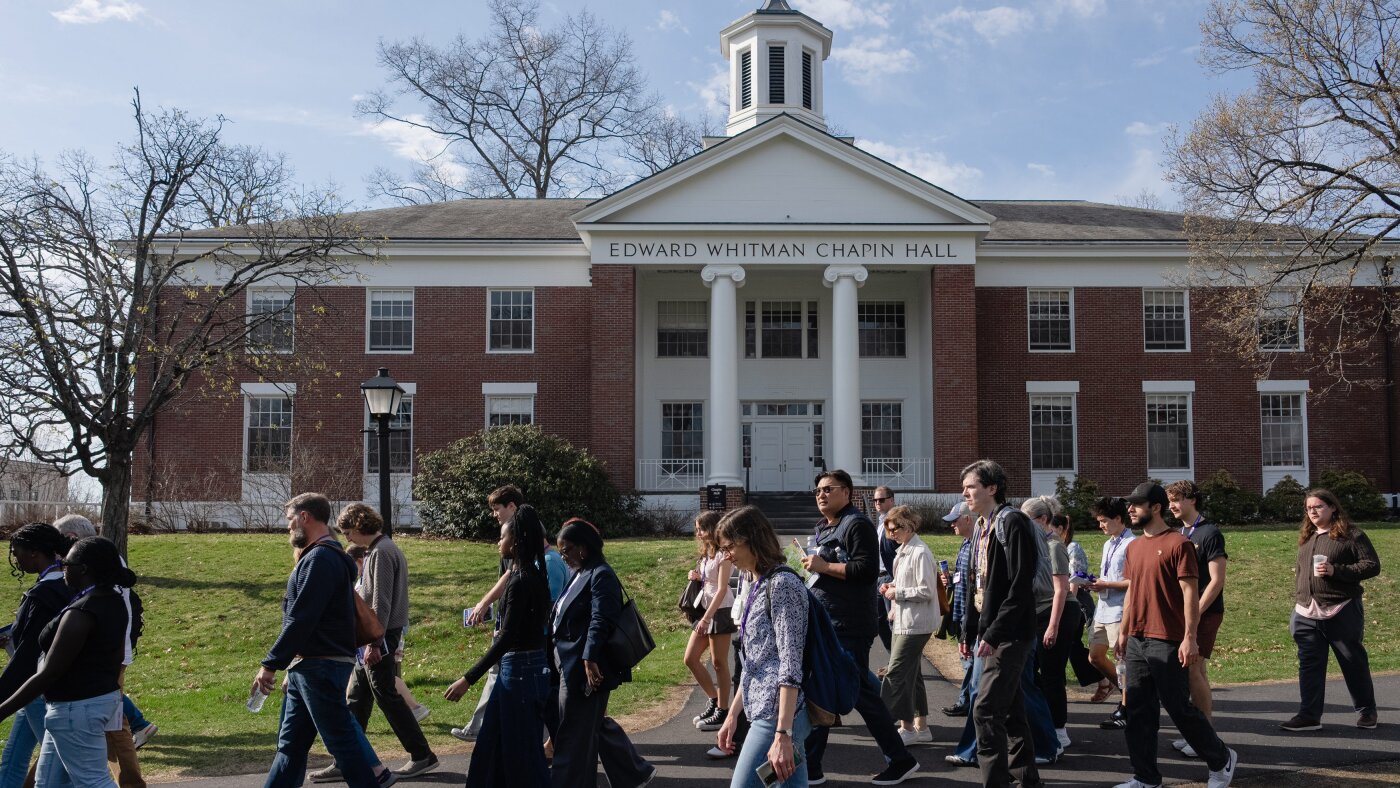
“This is our test of how rural you are,” quipped Nathan Grove, Amherst’s assistant dean of admissions, during a fire-building session with high school seniors. These students, hailing from small towns seldom visited by college recruiters, were participating in a two-day campus visit designed to make them feel included and valued.
The event is part of a larger effort, initiated three years ago, to encourage rural students to apply to elite colleges. This movement gained significant traction when Byron Trott, a University of Chicago alumnus, invested $20 million in the STARS College Network. Trott, recognizing the disparity in rural student representation, aimed to enhance recruitment efforts at institutions like Amherst.
Since then, the initiative has expanded, with rural applicants to STARS member schools increasing by 15% last year. The focus has now shifted from merely attracting applications to ensuring these students enroll and complete their education. Trott’s foundation has injected an additional $150 million into the program, which has grown to include 32 member schools, such as MIT and Yale.
Nathan Grove highlighted the importance of addressing the unique challenges faced by rural students, who often struggle with financial constraints and cultural differences when transitioning to college life. “We haven’t shown up, and we haven’t shown them that we are people who you can trust,” said Marjorie Betley, deputy director of admissions at the University of Chicago and STARS’ executive director.
Despite higher high school graduation rates, rural students are less likely to pursue higher education immediately. Efforts to change this are evident in Amherst’s commitment to financial aid and specialized programs, which have led to an increase in rural student enrollment from 6% to 11%.
Olivia Meier, a high school senior from Chugiak, Alaska, embodies the hurdles faced by rural students. “It’s really easy to doubt yourself when applying to schools like this,” she confessed. Her acceptance to Amherst, however, is a testament to the changing landscape for rural applicants.
The STARS initiative also seeks to bridge the cultural and educational gaps that rural students might face. Events like the Amherst campus visit are designed to offer a glimpse into college life and provide support networks for students who may not have such resources at home.
Amherst President Michael Elliott emphasized the mutual benefits of this initiative, stating, “Students growing up in rural areas bring perspectives and experiences that students from urban environments don’t have.” The college’s efforts reflect a broader trend in higher education toward inclusivity and diversity.