Changes Ahead for U.S. Department of Education: Key Responsibilities to Shift
In a significant reshuffle, the Trump administration has announced plans to transfer two major functions of the U.S. Department of Education to other federal agencies. This decision will impact the safeguarding of student civil rights and the administration of programs for students with disabilities.
On Tuesday, it was revealed that much of the Office of Special Education and Rehabilitative Services (OSERS) will be transitioned to the U.S. Department of Health and Human Services (HHS). OSERS has been pivotal in supporting students with disabilities, ensuring compliance with the Individuals with Disabilities Education Act (IDEA), which guarantees equitable public education for disabled students. More about IDEA can be found here.
The administration also plans to move the Education Department’s Office for Civil Rights (OCR) to the U.S. Department of Justice (DOJ). OCR’s team of civil rights lawyers is tasked with protecting students from discrimination based on disability, gender, race, and national origin. This office has experienced instability, facing staff cuts and subsequent reversals as detailed here and here.
These moves are part of a broader effort to reduce the scope of the Education Department, aligning with President Donald Trump’s pledge to eventually close it. The department will be left with fewer duties, as explored here and here.
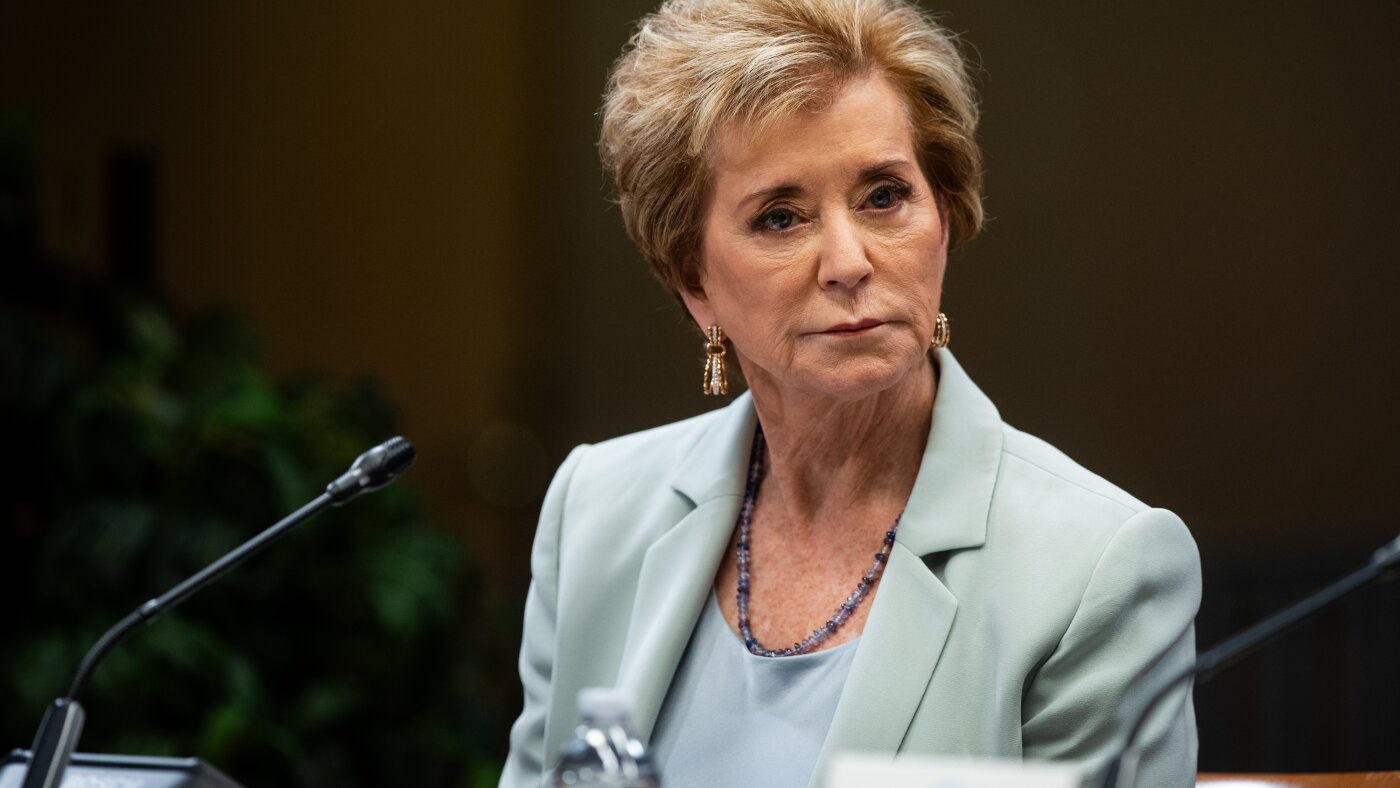
In a press statement, Education Secretary Linda McMahon emphasized the potential benefits of these partnerships. “Through our partnership with HHS,” she explained, “we will align federal services with the goal of strengthening academic outcomes and supporting individuals with disabilities so that they can achieve greater independence, key life skills, and meaningful employment.” Regarding the move of civil rights enforcement, McMahon stated that the DOJ collaboration would “ensure stronger, more coordinated civil rights enforcement and robust protections for student privacy.”
While the administration describes these as “partnerships,” it remains unclear how this will affect current staff. Previous interagency arrangements have involved moving staff along with their responsibilities.
The agreements obtained by NPR indicate that HHS will handle much of the work related to IDEA grants, while the Education Department will maintain oversight, as required by law. However, disability rights advocates have voiced strong objections, viewing these changes as undermining public education.
Denise Forte, president and CEO of Ed Trust, criticized the move as “another vindictive attempt to undermine public education.” She stressed that “children with disabilities need more support, not less — HHS is not the place for that.”
Former OSERS staff have expressed concern that without federal oversight, the rights of students with disabilities could be neglected. “If nobody’s looking, they could buy football jerseys rather than pay for a one-on-one aide for a child with autism,” one former staffer warned.
“No logical sense”
Denise Marshall, CEO of the Council of Parent Attorneys and Advocates (COPAA), questioned the rationale for moving students with disabilities under HHS, stating, “We’re not going to all of a sudden go to our surgeon to learn how to read.” Chad Rummel, CEO of the Council for Exceptional Children (CEC), echoed these concerns, emphasizing that IDEA is “an education law.”
Worries about losing federal oversight are compounded by plans outlined in Project 2025, a policy guide for a potential second Trump term, developed by the Heritage Foundation.
As for the Justice Department’s new role in civil rights enforcement, Catherine Lhamon, former OCR head, called it “a terrible idea,” arguing that the DOJ lacks the necessary expertise. Kenneth Marcus, who led OCR during Trump’s first term, was more optimistic, noting that successful implementation could improve civil rights enforcement.
Are moves like this legal?
Federal law mandates that OSERS must exist within the Education Department. The administration appears to be circumventing this requirement by maintaining statutory responsibilities while outsourcing operations, a strategy previously used in November for other department functions.
A small group of top staff will remain at the Education Department to supervise these programs, ensuring legal compliance.