
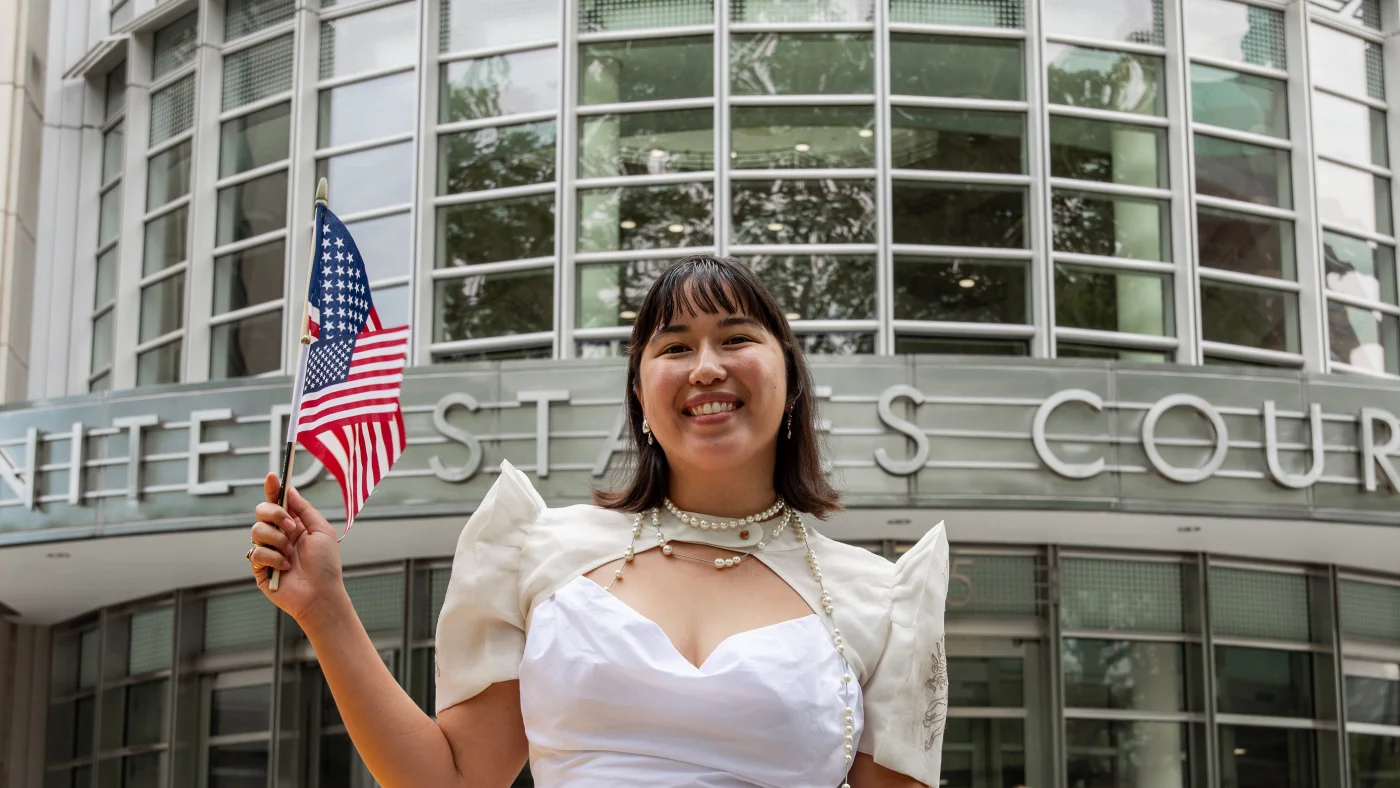
Immigrant Stories Behind the Ballot: New Citizens Embrace Voting
For many new American citizens, voting represents more than just a civic duty; it’s a powerful symbol of their journey and the challenges they’ve overcome. This election cycle, individuals from immigrant families are casting their votes with a sense of responsibility that transcends personal interests.
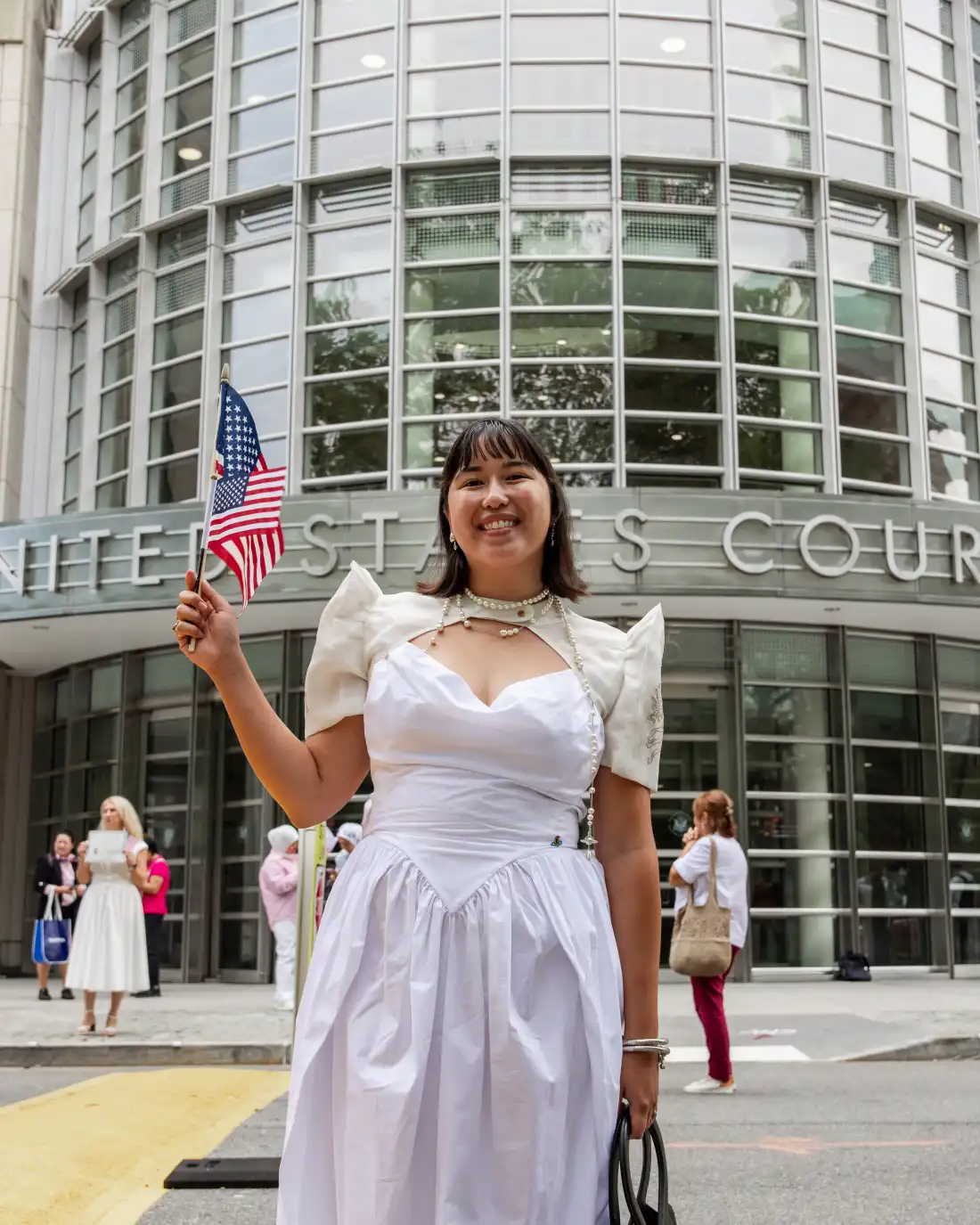
Nicole Solis-Sison on the day she became a naturalized citizen. Solis-Sison first came to the U.S. from the Philippines when she was 7. Courtesy of Nicole Solis-Sison
Nicole Solis-Sison, who arrived in the United States from the Philippines at the age of seven, experienced a tumultuous journey to citizenship. Her family’s quest for asylum, initiated by an Immigration and Naturalization Services agent, culminated in her becoming an American citizen earlier this year. Now, Solis-Sison, at 34, is participating in her first election in New York City.
“This is like such a milestone year for me that I’m a first time voter. I created my own voter guide and voter diary,” Solis-Sison shared with NPR.
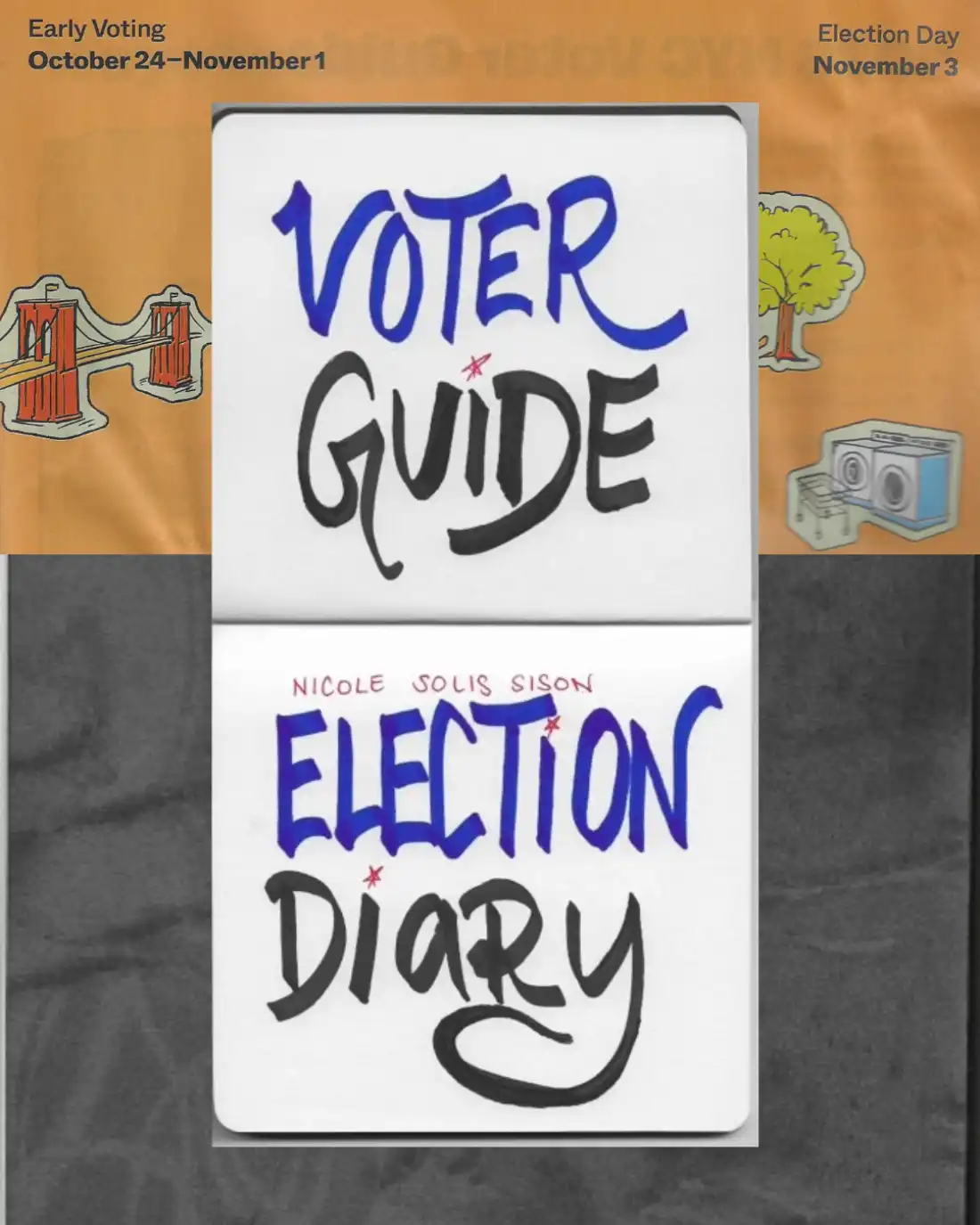
Ahead of voting in her first election in 2026, Nicole Solis-Sison made herself a voter guide and election diary. Courtesy of Nicole Solis-Sison
Similarly, Juan Escalante, who became a U.S. citizen in 2025, is voting for the first time at 37. Originally from Venezuela, Escalante navigated the complexities of immigration law, ultimately benefiting from the Deferred Action for Childhood Arrivals (DACA) program during the Obama administration.
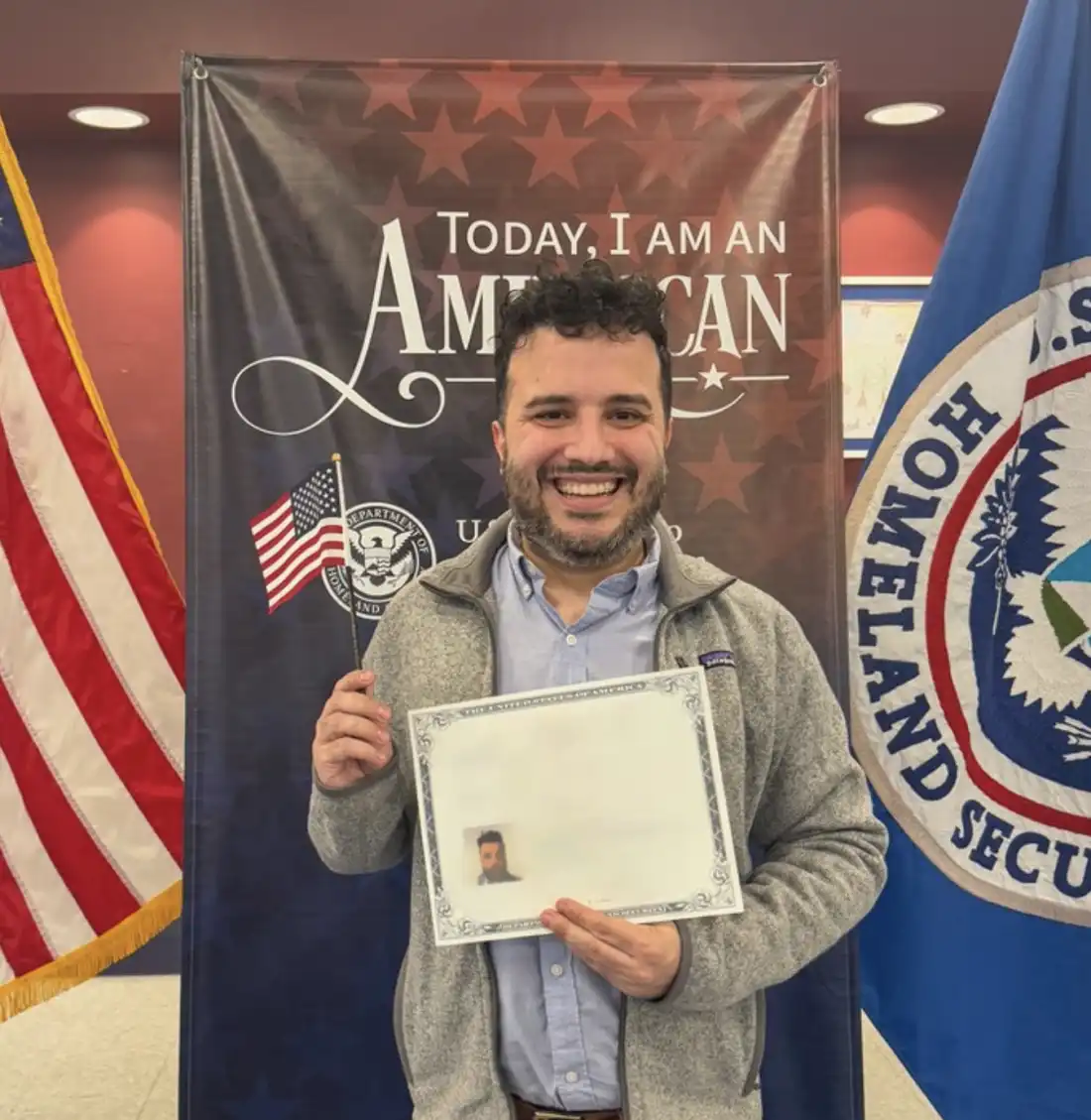
Juan Escalante became a U.S. citizen in 2025, the first in his family. Courtesy of Juan Escalante
“Being a first time voter here in the United States is something that’s profoundly personal and emotional for me because I understand the power of what a vote can do in service of the greater good,” Escalante expressed, emphasizing the importance of his vote in shaping the future for his community.
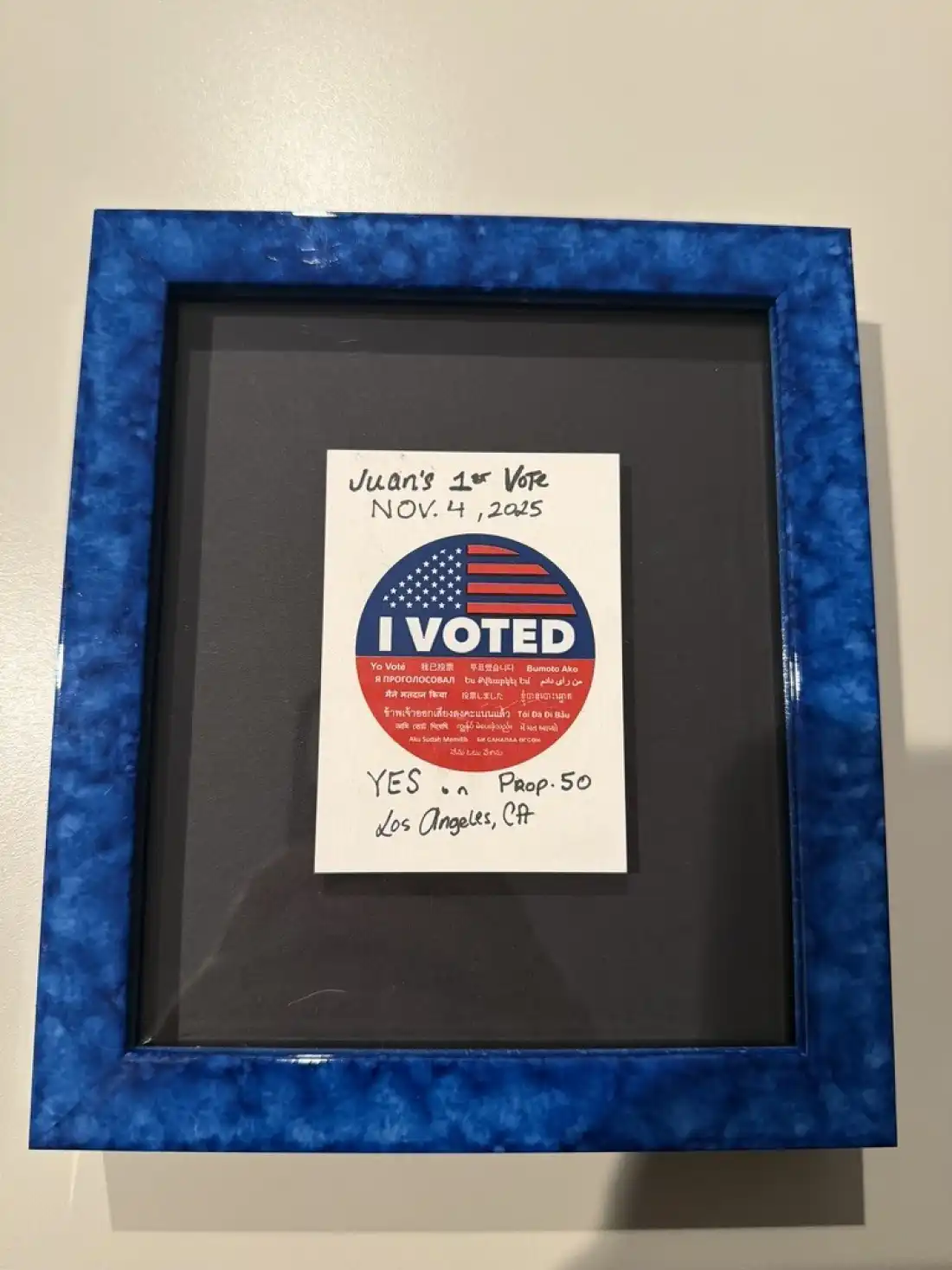
Juan Escalante voted for the first time in the 2025 California special election on redistricting and framed his “I Voted” sticker. Courtesy of Juan Escalante
For these new voters, their actions are intertwined with a broader narrative of family and community. Deisy España, a young voter from Wisconsin, votes with the weight of her parents’ undocumented past in mind. Growing up in a mixed-status family, she has always been aware of the precariousness of their situation.
“I’m voting for my parents. I have to do it for my parents who can’t vote. But even now, more than ever,” España stated.
Similarly, Leydi Gonzalez of Texas, whose parents emigrated from El Salvador, feels a personal responsibility in the voting booth. After sponsoring her parents for legal residency, she remains vigilant about their status and the broader implications of immigration policy.
These stories highlight the profound impact of voting for new citizens and those in mixed-status families. As they navigate the complexities of their identities and responsibilities, their votes carry hopes for security, change, and representation.
This article was originally written by www.npr.org



Comments are closed.