
Michigan’s Upper Peninsula Feels the Pinch of U.S.-Canada Trade Tensions
The picturesque towns of Michigan’s Upper Peninsula, known for their close-knit communities and cross-border ties with Canada, are facing economic uncertainty. The recent imposition of tariffs by President Trump has sparked concerns among locals about the region’s economic future.
In a state that’s home to a tight U.S. Senate race, the Upper Peninsula, or UP, finds itself at a political crossroads. Historically a Republican stronghold, the area hasn’t seen a Democrat in Congress since Bart Stupak’s tenure ended in 2011. Now, with tariffs affecting nearly $20 billion in Canadian goods, the political stakes are higher than ever.
Residents of the UP, affectionately called “Yoopers,” are accustomed to the challenges of rural life, including high transportation costs due to limited accessibility. However, the new tariffs have exacerbated these issues, driving up prices for goods and groceries. Ben Rahilly, a local business owner in Newberry, struggles to balance rising costs while maintaining affordable prices for his community.
Rahilly expresses frustration with the ongoing trade dispute, saying, “Prices are going up. Our shipping charges are getting more and more every day.” Despite his conservative leanings, Rahilly is open to voting for a Democrat if it means better economic policies.
Trade Tensions Impact Local Economies
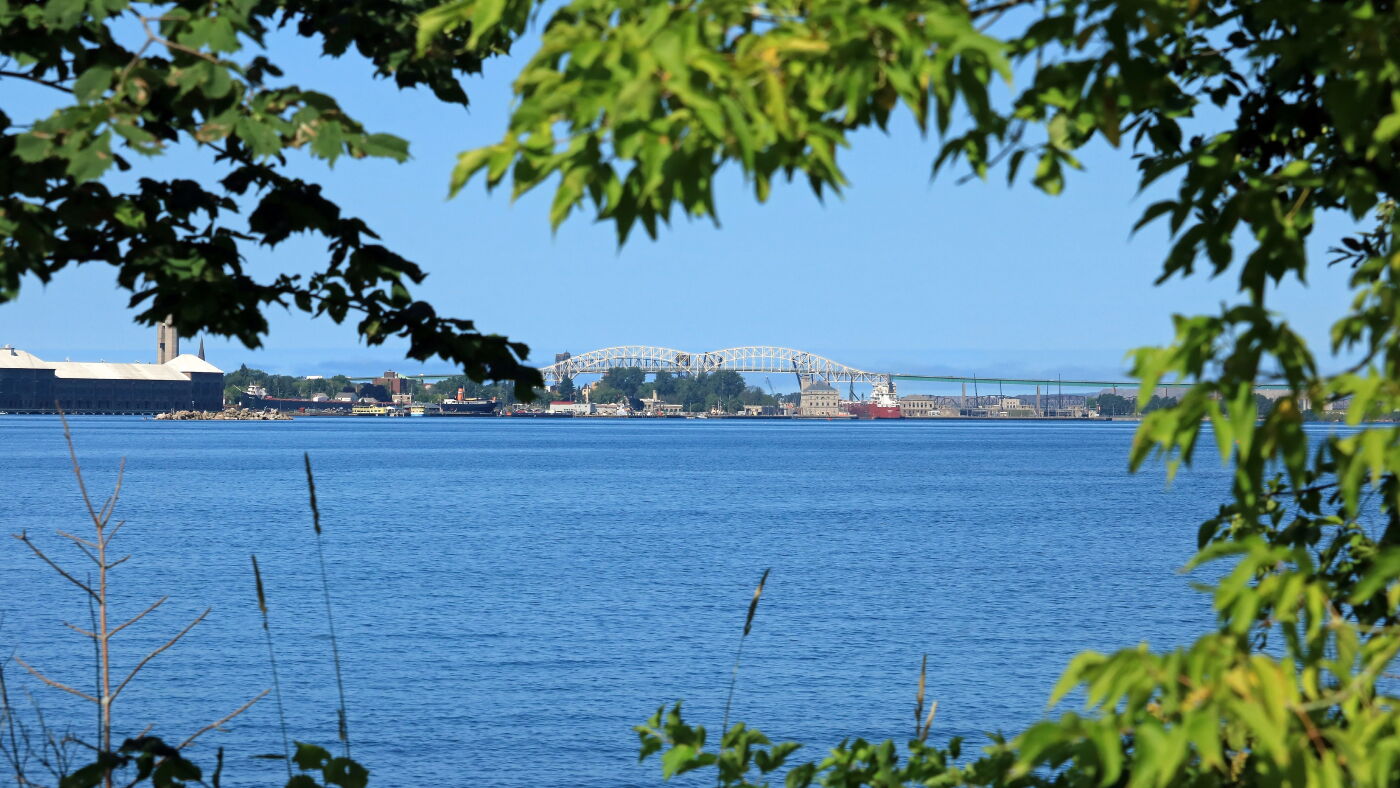
In Sault Ste. Marie, Michigan, the economic impact is palpable. The town, linked to its Canadian counterpart by the International Bridge, has seen a decline in commercial and passenger traffic by about 25% since the start of Trump’s second term. The decrease in cross-border activity has resulted in significant revenue losses.
Tony Haller, executive director of the Sault Area Chamber of Commerce, notes the local economy’s resilience but acknowledges the strain caused by reduced bridge traffic. He remains hopeful for a return to normalcy once the trade issues are resolved.
Michigan’s economy is particularly sensitive to these trade tensions, with over a third of its exports heading to Canada. The federal government reports that this accounted for more than $21 billion in trade last year, underscoring the state’s vulnerability to the ongoing trade war.
Community Opinions on Tariffs
Tourists visiting the region also share their views on the tariffs. Todd Campbell from Knoxville, Tennessee, voices concern over the trade policies despite his conservative stance. “I’m not real happy about that,” he states. Campbell appreciates the GOP’s policies but disagrees with the tit-for-tat tariffs.
Meanwhile, Homer Coleman, a trucker from Metro Detroit, critiques the president’s approach, calling Canada and the U.S. “brothers.” He questions the necessity of the trade conflict, echoing a sentiment of confusion and frustration among many voters.
As Canada plans to impose counter tariffs, the future remains uncertain for Michigan’s Upper Peninsula. For now, residents and business owners like Rahilly continue to navigate the challenges posed by the evolving trade landscape.





Comments are closed.