
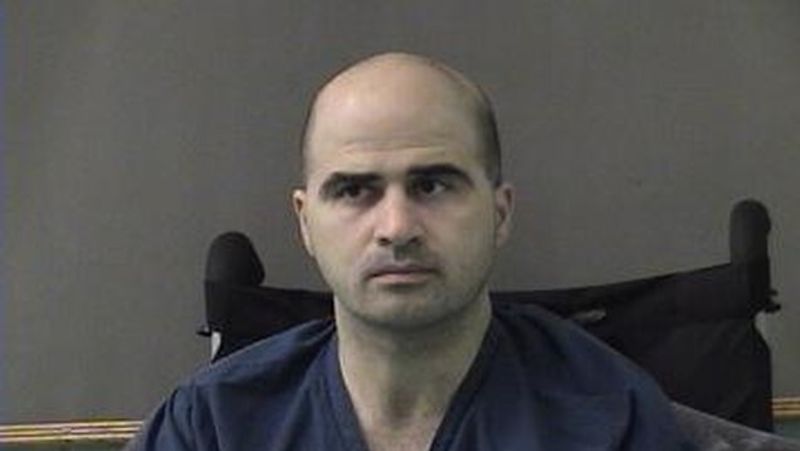
When government power is exercised visibly and dramatically — especially in matters of life and death — it sends a signal to every citizen about what kind of democracy they live in. The proposal to livestream the military execution of convicted mass murderer Nidal Hasan has sparked a serious debate that reaches beyond criminal justice: it touches the relationship between state power, public trust, and the democratic institutions Americans depend on to govern fairly and transparently.
Posts published in “Christianity”
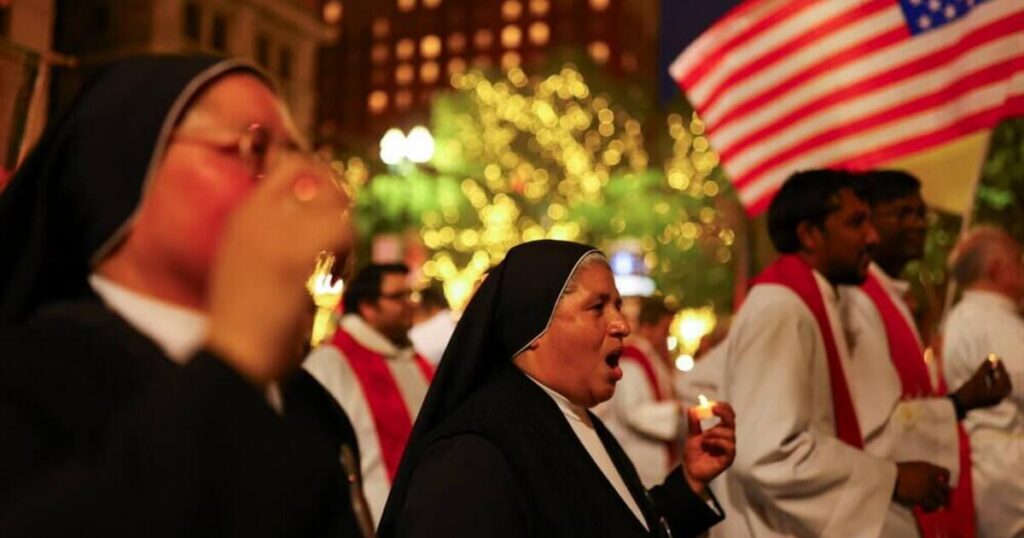
Niemöller’s journey from Nazi supporter to antifascist highlights the moral clarity needed to resist Christofascism.
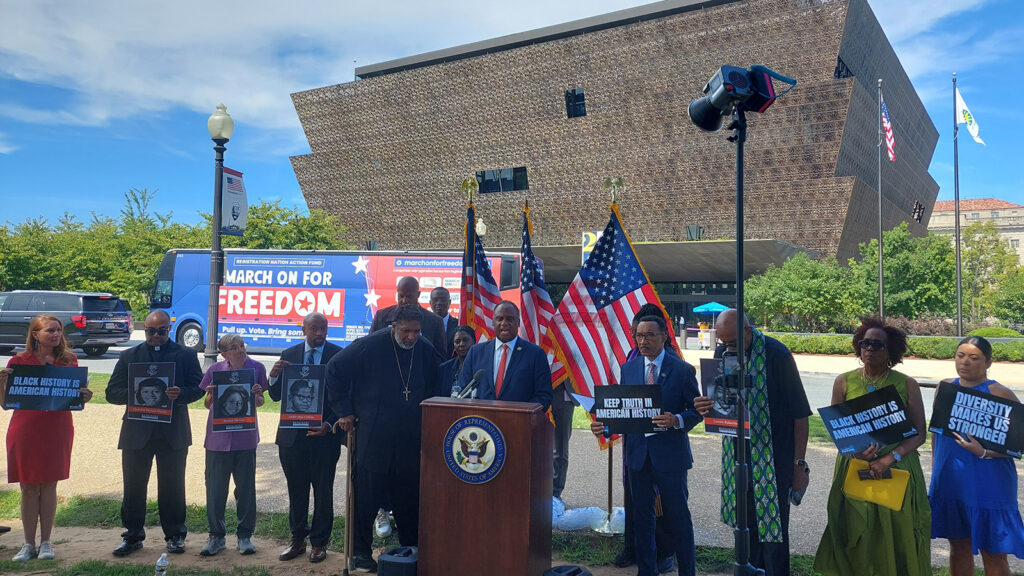
With less than a month until the 2026 midterm elections, Black faith leaders across the country are doing something that goes far beyond Sunday sermons and sanctuary walls. From parking lot rallies in Georgia to multistate bus tours retracing the routes of Freedom Riders, Black churches are deploying an unprecedented range of strategies to ensure their communities can — and do — vote, even as new restrictions and a climate of uncertainty make that harder than it has been in decades.
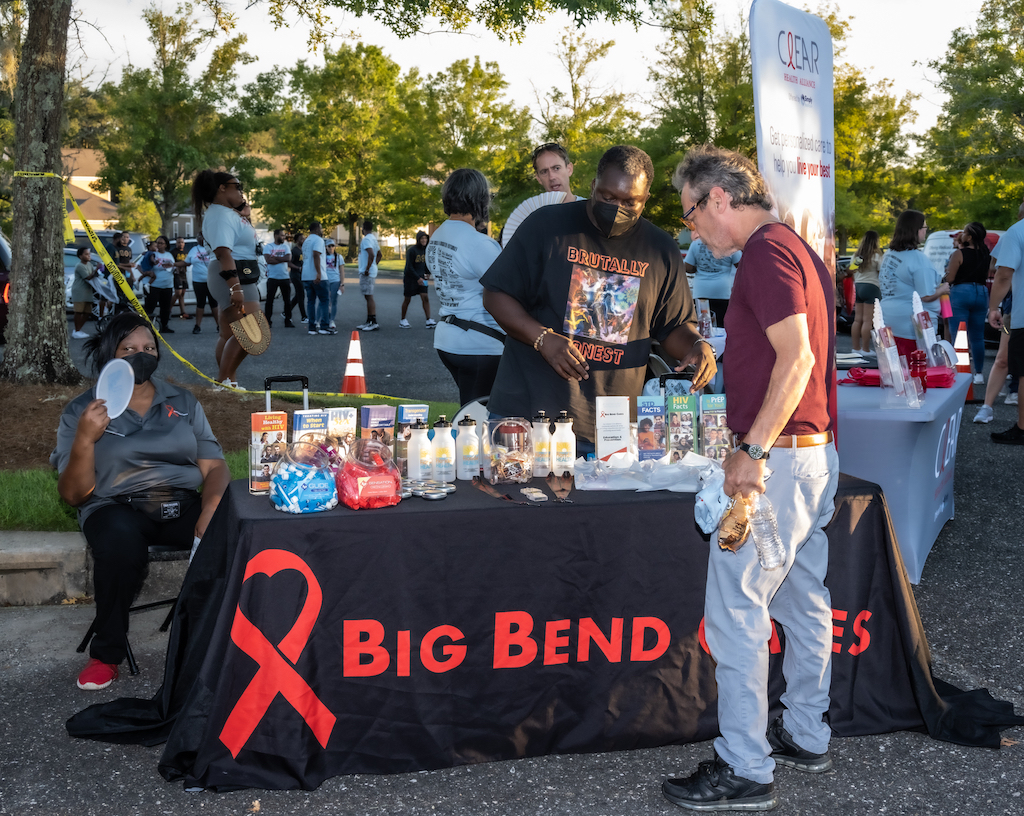
Federal funding that has long supported community-based HIV prevention programs is being redirected away from local organizations and funneled instead through state governments — a shift that advocates say could disrupt critical services for some of the most vulnerable Americans.
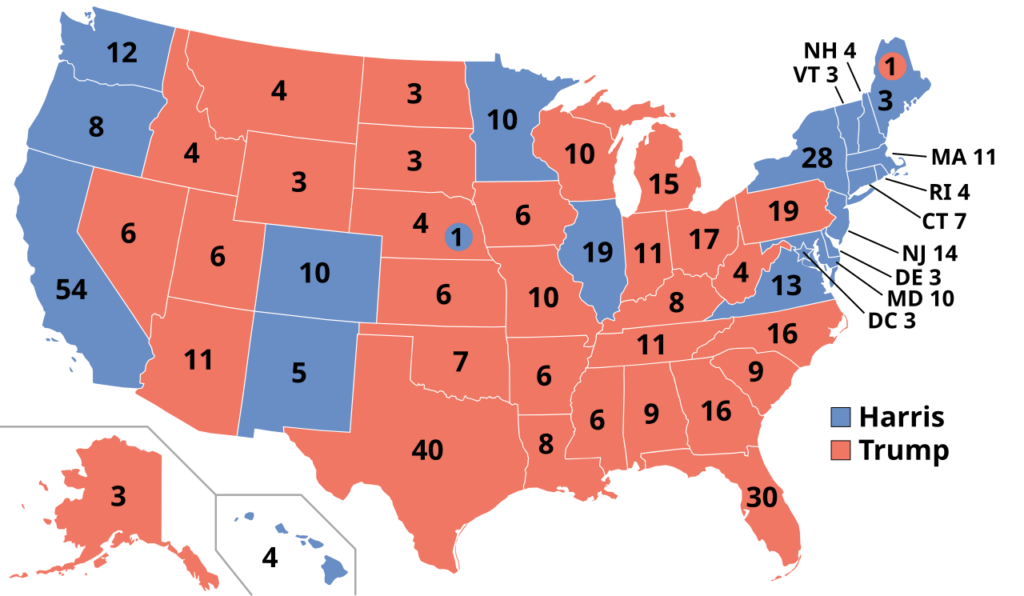
As election season intensifies, the intersection of faith, fear, and democratic participation is drawing renewed attention from religious leaders, podcasters, and civic voices across the country. Understanding how political rhetoric, ideological movements, and community advocacy shape voter behavior — and public trust in elections — matters for anyone who cares about a fair and functioning democracy.
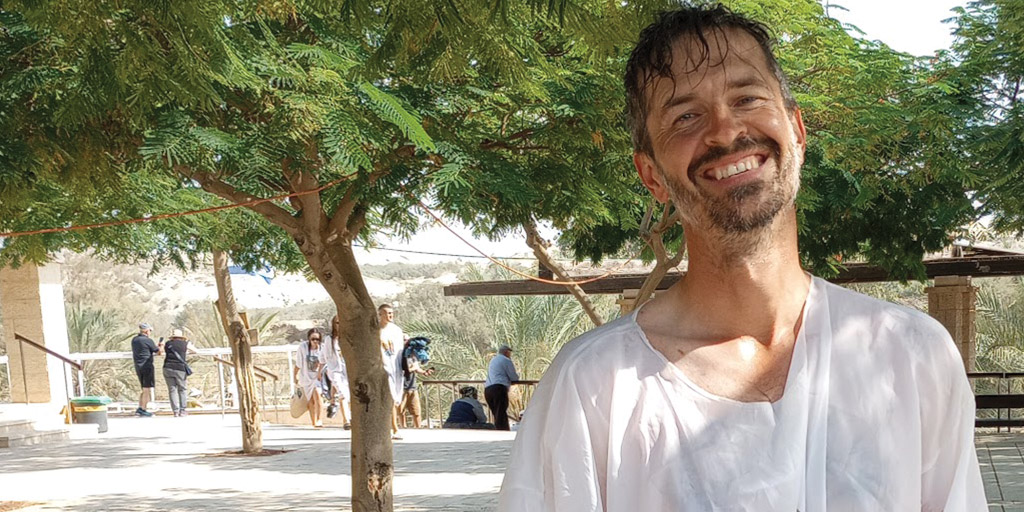
For thousands of years, people have left home, walked long roads, and arrived somewhere sacred — changed by the journey itself. Now, an ancient human practice is encountering one of the newest forces reshaping daily life: artificial intelligence.
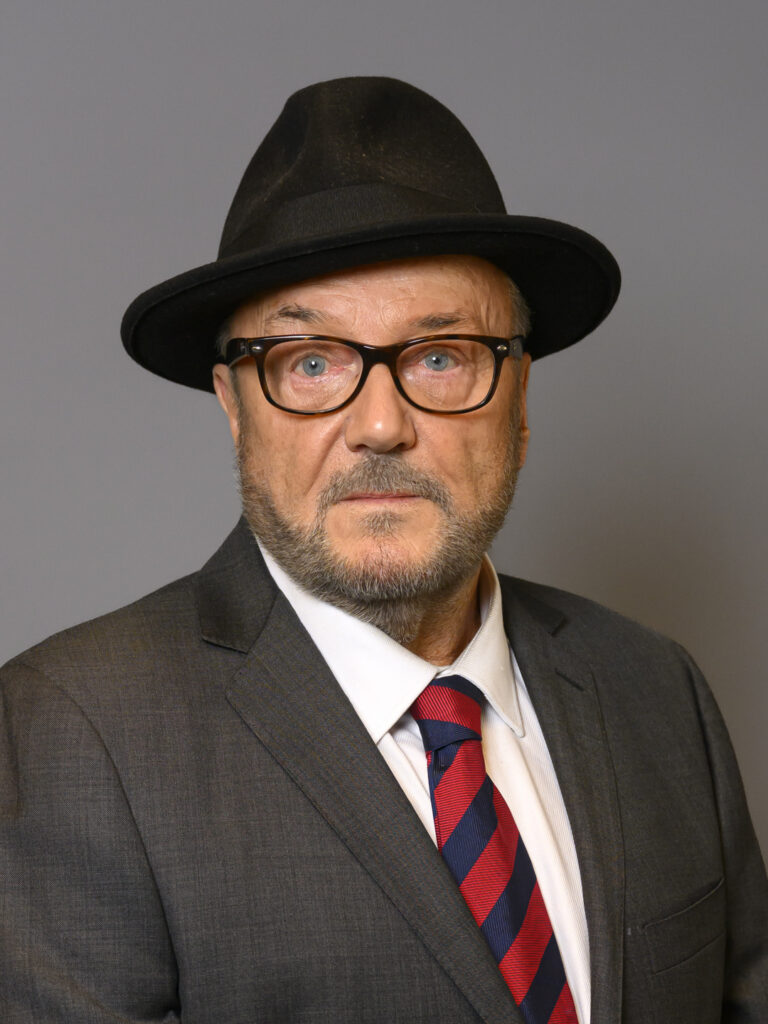
Religion touches nearly every corner of public life — from immigration courtrooms to church councils to the halls of political power. This week's reporting from Religion News Service covers a range of stories that intersect faith, community, and civic participation.
Faith communities across America are raising urgent moral and civic questions this week — from the ethics of public executions to the rights of immigrants, the future of democracy, and the role of artificial intelligence in spiritual life.
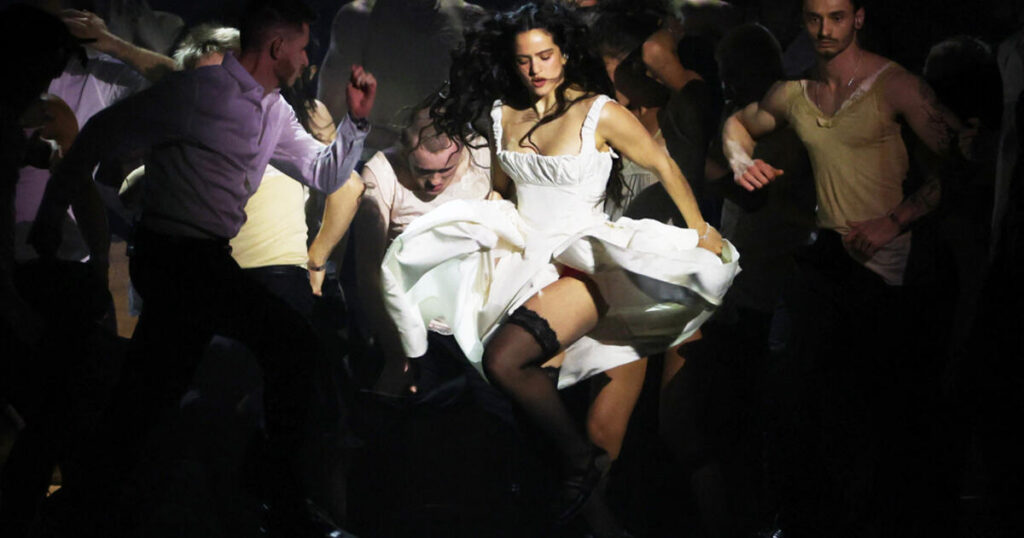
Rosalía's LUX blends pop and spirituality, inspired by saints, filling arenas with divine longing and musical genius.
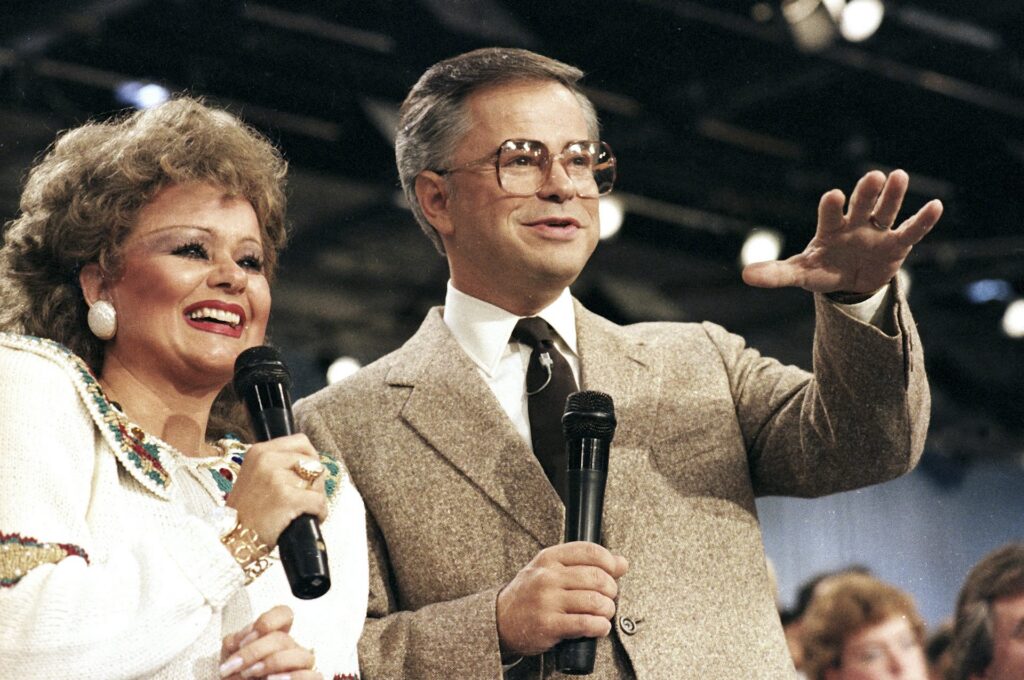
Few chapters in American religious history shaped the political landscape of evangelical voters quite like the rise and fall of Jim Bakker's PTL empire. As Bakker's ministry built one of the most influential Christian broadcasting networks in the country, it also helped cultivate a massive, politically engaged evangelical audience — one whose eventual betrayal by PTL's leaders left lasting scars on public trust that extended well beyond the church pew and into the voting booth.