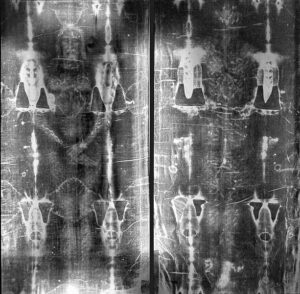

Every year, Easter Sunday stands as the pinnacle of Christian celebrations, marking the end of Lent and the triumphant resurrection of Jesus Christ. This cornerstone of Christian belief signifies not just a historical event, but the very essence of hope for believers worldwide.
Christ’s resurrection is a testament that neither death nor sin can claim victory (1 Corinthians 15:54-55; Revelation 1:18; Romans 6:10-11; 1 John 3:5). It declares that suffering is not the ultimate end (Romans 8:18; 2 Corinthians 4:17). Through His crucifixion, burial, and victorious rising (1 Corinthians 15:3-4; Matthew 28:6), Jesus offers a living hope that defies destruction (1 Peter 1:3-4; John 14:19).
In a world fraught with violence, grief, and uncertainty, this hope shines brightly. Easter serves as a reminder that darkness never prevails. The crucifixion was not the conclusion of Christ’s story, and similarly, it is not the end for those who follow Him.
Driven by love, Jesus journeyed to Calvary (John 10:17-18; Ephesians 5:2), enduring the pain and humiliation of crucifixion to restore our relationship with God (Isaiah 53:3-5; 2 Corinthians 5:18-19). He bore the weight of our sins, creating a path for reconciliation with the Father (Romans 5:8; 1 Peter 2:24; Hebrews 10:19-20; John 14:6).
Even amidst the shadow of the cross, Jesus remained steadfast, trusting in God’s love and power (Luke 23:46; 1 Peter 2:23). This love ultimately triumphed over death (1 Corinthians 15:54-57; Acts 2:24), providing a resurrection hope that endures.
Today, this hope is available to all. Regardless of personal challenges or global crises, we are not without hope. Easter reassures us that suffering does not define our fate. While trials and grief are real, they are not the final chapter. Through Jesus, believers share in His victory.
For Christians, the ultimate journey leads to glory, not despair (Romans 8:18; 2 Corinthians 4:17). It culminates in life, not death (John 11:25-26; John 5:24), and results in eternal communion with God (John 17:24; Revelation 21:3). Because of Christ’s resurrection, believers have the promise of eternal life (1 Corinthians 15:20-23; 1 Thessalonians 4:14), transforming the grave into a gateway to eternity (John 3:16; Romans 6:23).
This hope is rooted in divine power (1 Corinthians 15:54-57; Ephesians 1:19-20). Scripture assures us that the Spirit who raised Jesus now dwells in believers (Romans 8:11), changing our identity even if our circumstances remain the same (2 Corinthians 5:17; Colossians 3:3). Although suffering persists, believers are marked by resurrection power (Romans 8:18; Philippians 3:10-11) and supported by the Holy Spirit, who fortifies and sustains us (Ephesians 3:16; Philippians 4:13; Isaiah 40:31; Psalm 55:22; Hebrews 12:28; Daniel 2:44).
While not every prayer is answered as hoped, and some sufferings persist, our confidence lies in the certainty of heaven (John 14:2-3; Philippians 3:20). Eternal life is assured (John 10:28-29; 1 John 5:13), and the glory awaiting believers far outweighs any worldly loss (Romans 8:18; 2 Corinthians 4:17-18).
Easter invites us to look beyond the temporary and focus on the eternal (2 Corinthians 4:18; Colossians 3:1-2). It reminds us that while suffering is fleeting, the life won by Christ is everlasting. His resurrection empowers us to endure, trust, and hope (1 Peter 1:3; Romans 15:13).
As Easter is celebrated, let hearts be anchored in the resurrection’s hope. Remember, Jesus is alive, and His victory is complete, ensuring that nothing, not even death, can separate us from God’s love in Christ (John 19:30; Colossians 2:15; Romans 8:38-39).
Christ is risen, transforming everything. Happy Easter!
This article was originally written by www.christiantoday.com