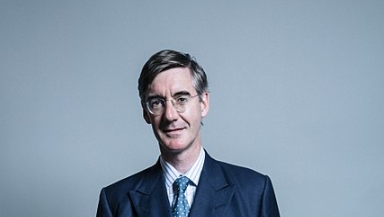
The recent Oxford Union debate centered on whether there is a justified suspicion of Islam sparked considerable interest, reminiscent of the historical 1933 “King and Country” debate. Such debates, often reflective of elite perspectives in the UK, drew attention not only for the content but also for the controversy surrounding certain participants.
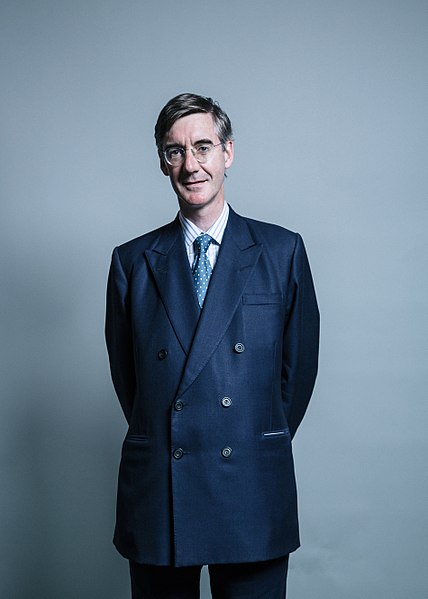
Among the speakers, Tommy Robinson, Laurence Fox, and Jonathan Sacerdoti supported the motion, while Abdullah Al-Andalusi, Michael Doward, and Jacob Rees-Mogg opposed it. The motion was narrowly defeated, albeit with a smaller audience than usual. However, the debate was marked by significant protests, largely due to Robinson’s presence and the topic itself, highlighting societal divisions and concerns about extremist threats.
The debate was notable not only for the arguments presented but also for the dramatic moments it included. One such instance involved Laurence Fox threatening to display a portrait of Muhammad, causing a stir among attendees. Jacob Rees-Mogg attempted to stop him by citing a supposed rule against props, which was inaccurate. Fox’s ultimate point about the influence of Islamic restrictions was evident.
Jacob Rees-Mogg’s speech was particularly surprising as he dismissed fear of Islam by highlighting the strength of Western values rooted in Christianity. He argued that Islam’s influence would not lead to a Muslim takeover in the UK or the USA, emphasizing the robustness of Western constitutional systems.
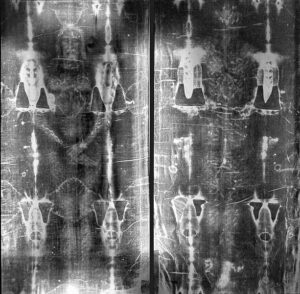
Rees-Mogg further claimed that the West owes its strength to Christian principles, specifically mentioning Christ and the resurrection as pillars of society. To illustrate his point, he presented a cross, claiming it contained a piece of the true cross, which underscored his argument about the enduring values of the West.
However, some of Rees-Mogg’s historical references were contested. For instance, his claim that Muslims did not sack Constantinople was factually incorrect, as history records it was conquered in 1453. Additionally, Rees-Mogg cited Ibn Khaldun as a respected political theorist compatible with Western ideals, though Khaldun’s writings suggest otherwise, emphasizing Islam’s divine mandate to expand through conversion or force.
These points led to criticism, particularly as Rees-Mogg seemingly overlooked the potential threat posed by Islam to Western values. His reliance on constitutional protections was seen as overly optimistic, given the presence of Sharia courts in the UK.
While Rees-Mogg’s faith in the resilience of Western systems is commendable, it raises questions about the potential erosion of Christian foundations. The debate serves as a reminder of the ongoing tensions between religious freedom and societal values, and the need for vigilance in preserving foundational principles.
Further exploration of these themes can be found in related articles by David Robertson, available on his Substack page.
More by David Robertson
What should Christians make of Tommy Robinson?
Amid calls to ‘make Britain Christian again’, here are some questions for the Church
The problem with Labour’s Islamophobia definition
This article was originally written by www.christiantoday.com