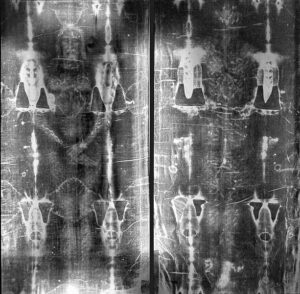

As Easter approaches, the focus turns to the profound impact of Christ’s redemptive act. The Apostle Paul, addressing the early church in Corinth, emphasized this with a powerful statement: “Jesus became sin.”
This declaration not only transformed historical events but also shaped eternity for those who believe in Jesus Christ’s sacrificial death and subsequent resurrection.
Jesus Became Sin
In his letter to the Corinthians, the Apostle Paul wrote in 2 Corinthians 5:21: “For our sake he made him (Jesus) to be sin who knew no sin, so that in him we might become the righteousness of God.”
The concept of Jesus, who was sinless, becoming sin is overwhelming. It highlights how He relinquished His sinlessness for humanity’s sake, offering hope, peace, and love found only in Christ. This act is unparalleled, as it provided a solution to the sin debt humans could never repay.
Romans 6:23 states, “The wages of sin is death.” While the penalty for sin is eternal death, the Good News is that Jesus paid this debt, offering the gift of eternal life.
Jesus laid down His life to grant eternal life, presenting humanity with a pivotal choice: to accept or reject the salvation offered through His sacrifice.
The Gift of Righteousness
Through Jesus, believers can attain righteousness, being made right with God. This transformation is a result of Christ’s sacrifice and one’s acceptance of this gift.
Paul elaborated on this in Romans 10:9-10: “If you confess with your mouth that Jesus is Lord and believe in your heart that God raised him from the dead, you will be saved.”
However, Paul cautioned the Corinthians against receiving this grace in vain, urging them to not abandon their newfound faith and return to sin.
The Role of Confession
Confession plays a vital role in maintaining a relationship with God. 1 John 1:9 promises that, “If we confess our sins, he is faithful and just to forgive us our sins and to cleanse us from all unrighteousness.”
The distance between sin and God’s righteousness is bridged through the confession of sins. Jesus became sin to enable continuous and confident dialogue with Him about personal transgressions.
The writer of Hebrews described persistent sin as “the sin which clings so closely.” Recognizing and confessing these sins is crucial for spiritual growth and maintaining God’s grace.
Despite fatigue over repeated confessions, believers are encouraged to persist, as Jesus never tires of offering forgiveness and righteousness.
Embracing Forgiveness
The transformative power of the words “Jesus became sin” is profound. The subsequent step involves embracing forgiveness and striving to embody His righteousness daily.
“Father, forgive me!” encapsulates the essence of this journey towards righteousness. These words signify acceptance of Jesus’ sacrifice and the continuous journey of faith.
This article was originally written by www.christiantoday.com