
In a rapidly changing religious landscape, mainline Protestant pastors are facing unprecedented challenges. As congregations shrink and societal pressures mount, these religious leaders must navigate a complex environment where faith intersects with politics and social issues.
Recent observations suggest that mainline Protestants are poised to play a pivotal role in the upcoming 2026 elections. Rev. Jennifer Butler, a Presbyterian minister and CEO of Faith in Democracy, articulated in The Hill that these denominations could be crucial swing voters. At a crossroads, their decisions in this election could shape the future political landscape significantly.
The decline of mainline Protestant congregations isn’t a new phenomenon. Since the 1970s, scholars like Dean Kelley, in his work Why Conservative Churches Are Growing, have highlighted the crisis within these denominations. CNN reports estimate that around 100,000 churches might close or repurpose within the next decade. Despite this, mainline Protestants still constitute about 13% of the U.S. population, according to data.
Internally, these religious groups face criticism for potentially losing sight of Christianity’s core tenets. Some conservative commentators argue that these churches have aligned too closely with contemporary societal values. However, the public ministry of mainline Protestants also reflects a deep divide over progressive issues like LGBTQ+ rights. Notably, 58% of white nonevangelical Protestants supported Donald Trump in the 2024 election, as per Pew Research. Furthermore, a survey indicated that 41% of white mainline Protestants backed the use of internment camps for undocumented immigrants, mirroring the national average.
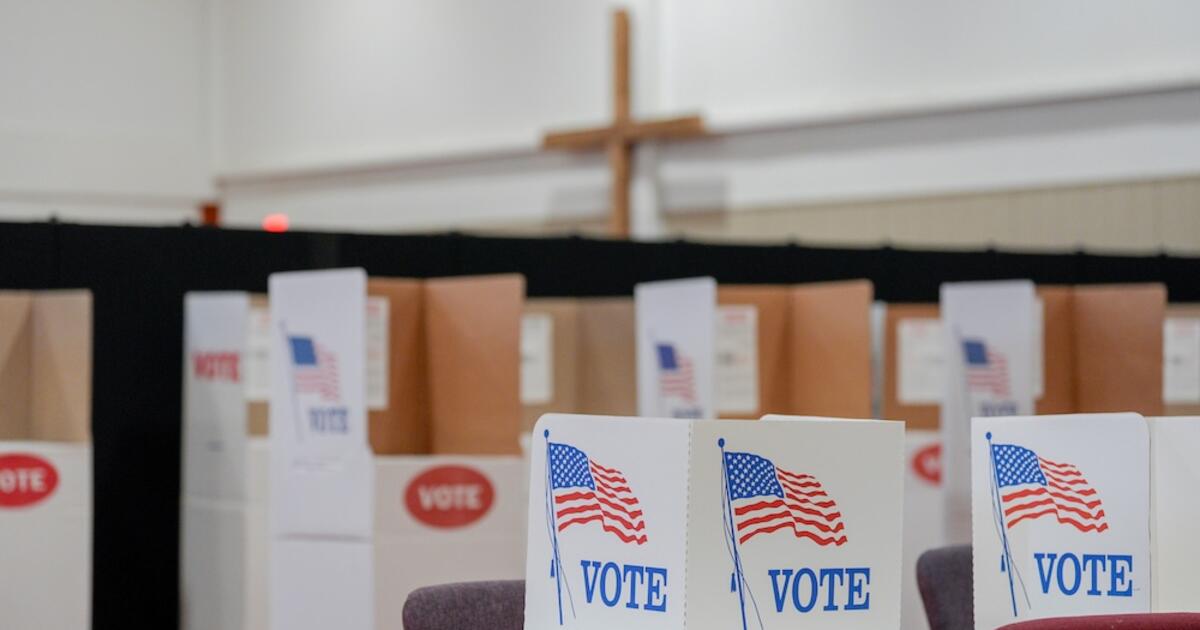
As the midterms approach, the challenges facing mainline Protestant leaders are significant. Many pastors express a desire to address pressing issues such as democracy and election integrity but fear alienating their congregations, potentially exacerbating membership decline. Political scientist Ryan Burge suggests that the decline of politically mixed ‘purple churches’ is detrimental to democracy, a sentiment echoed in clergy discussions.

In these times, mainline Protestants are encouraged to embrace their diversity, which is a source of strength. Theological and political breadth allows denominations like the American Baptist Churches USA to offer varied worship experiences, underlining their commitment to inclusivity and dialogue.
However, embracing diversity doesn’t imply avoiding controversial topics. The gospel has long been a tool to critique political power, and mainline traditions have historically supported causes like civil rights and nuclear disarmament. Today, they continue to advocate for human dignity against practices like ICE’s harsh immigration policies.
The future may require these denominations to move beyond institutional constraints, focusing instead on spirituality and community. While the decline of institutional religion brings grief, it also offers an opportunity for renewal. Pastors are urged to remember their traditions’ distinctiveness and trust in their enduring message, regardless of congregational size.
This article was originally written by sojo.net



Comments are closed.